



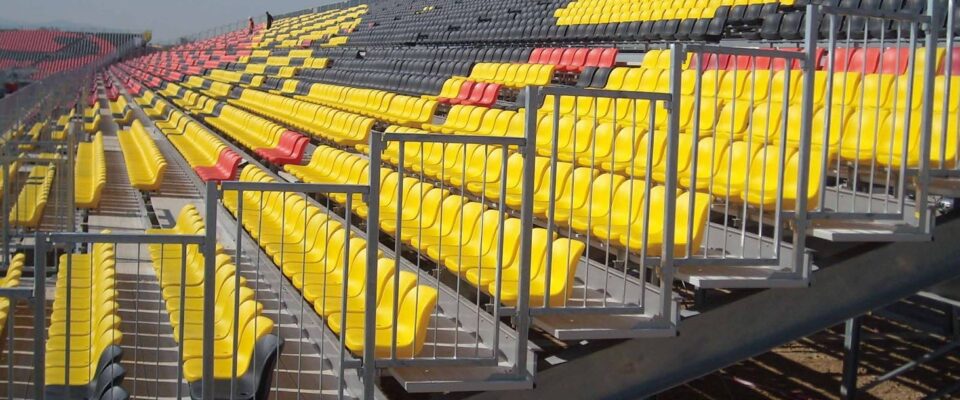
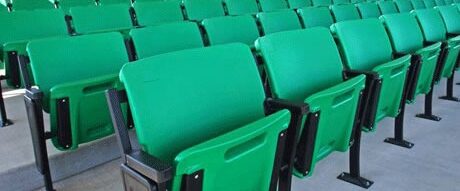

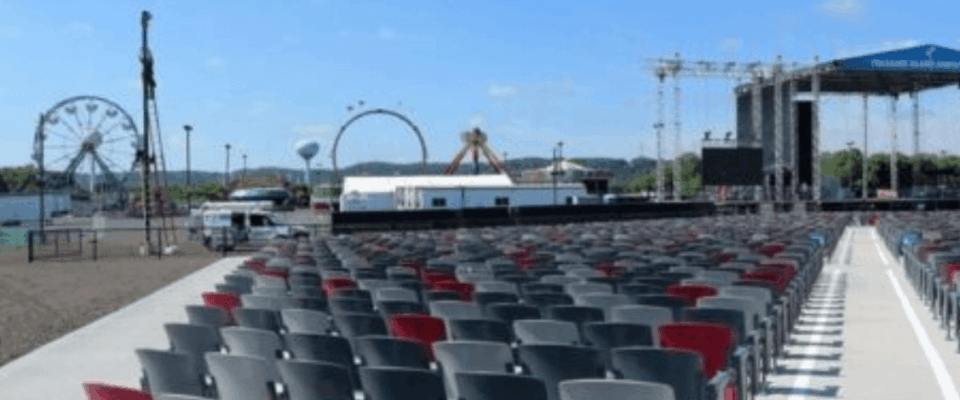
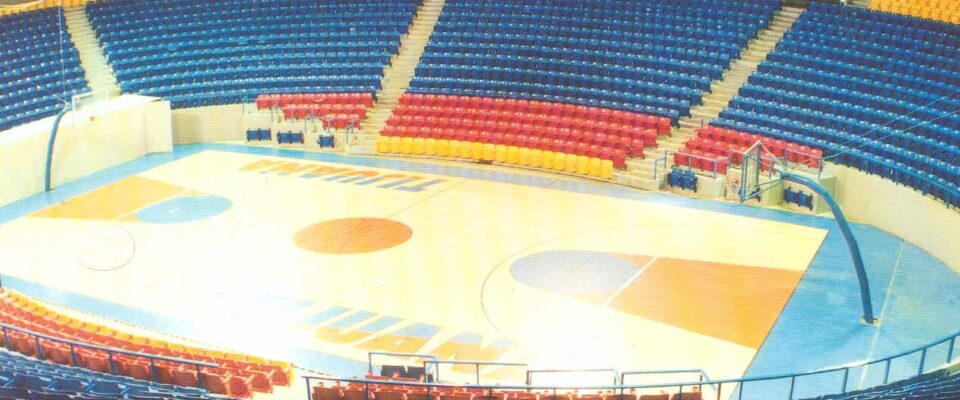
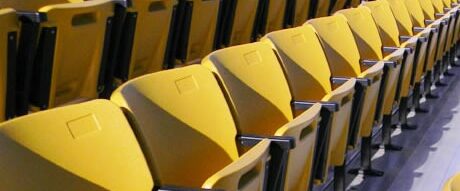
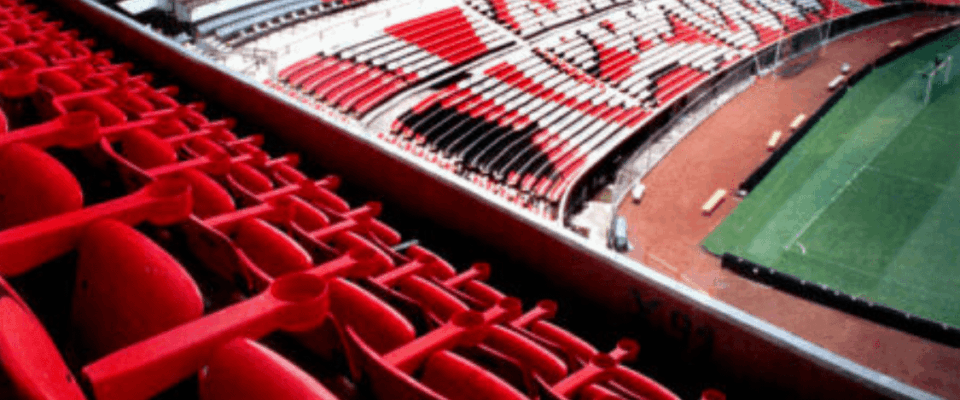
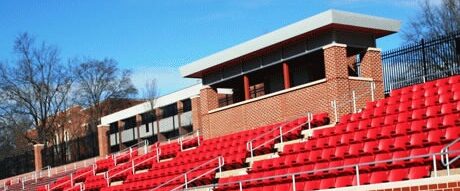
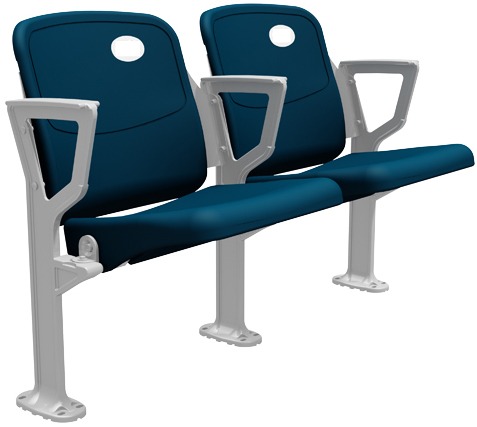
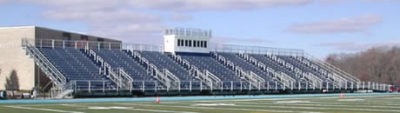
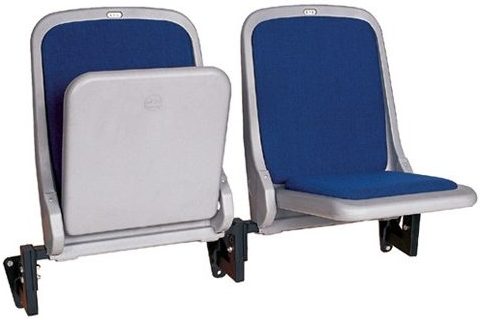
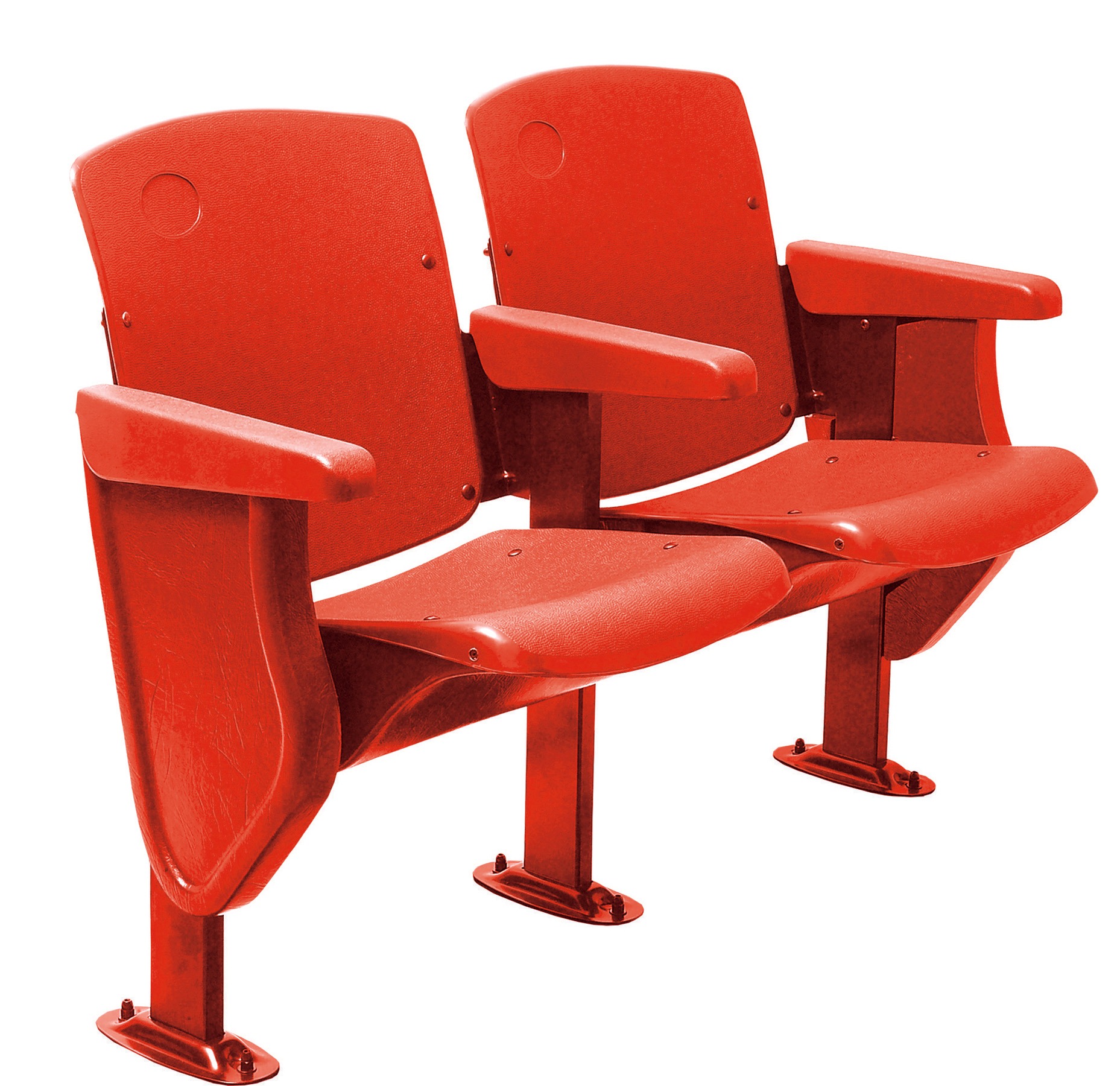
It is impossible for most schools and sports clubs to purchase stadium bleachers without customization. Consumers may think that the biggest decision to make is whether aluminum or steel bleachers would look best in their venues. Smart owners will look at capacity needs, the permanence of seating areas and the type of audience served before purchasing stadium bleachers and bleacher seats.
Finding Custom Stadium Bleachers
The primary consideration for every owner who is buying stadium seats is the number of seats needed for profitability. A minor-league baseball team with an operating cost of $50,000 needs to sell 5,000 seats at $10 per ticket to avoid debt. This hypothetical team must purchase several sets of seats to place along foul poles and outfield areas to create different angles for fans.
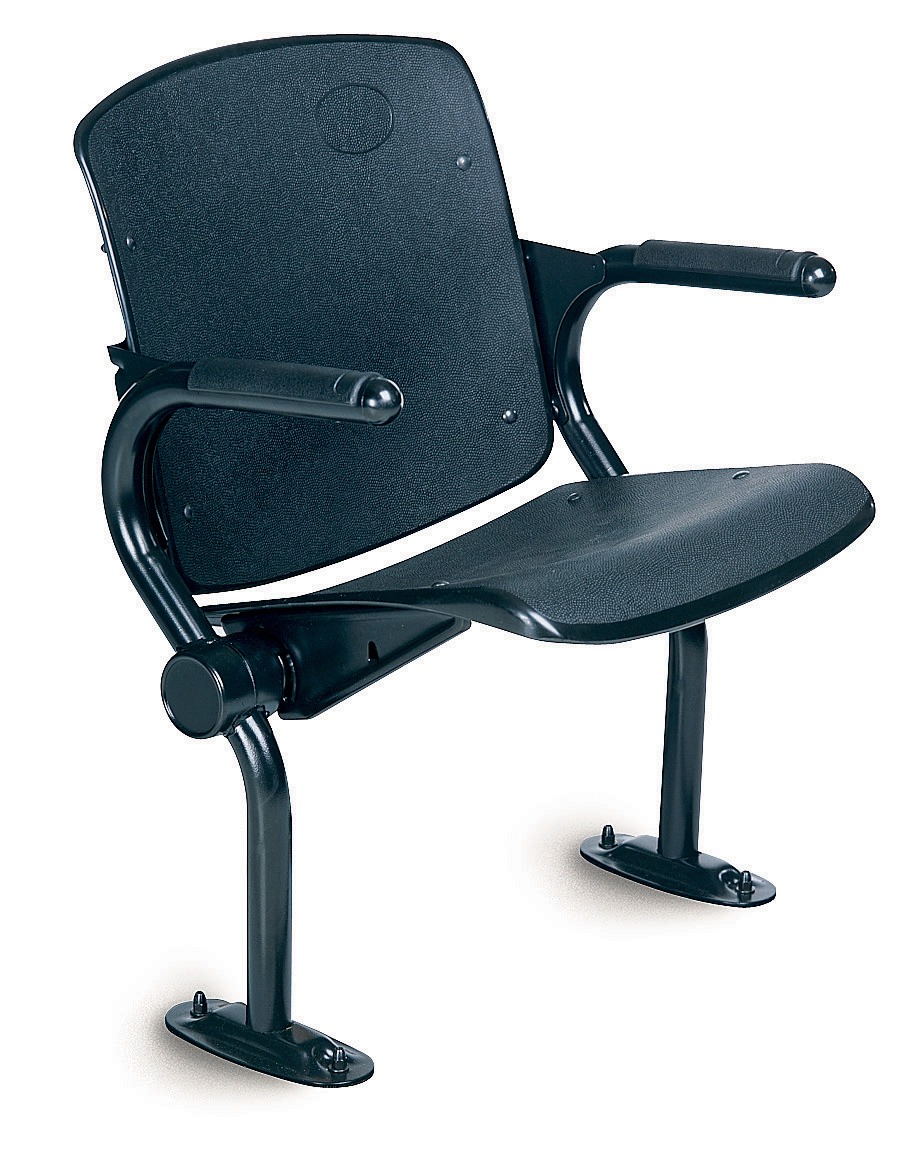
Building Strong Foundations: Key Considerations in Bleacher Installation
There’s something timeless about walking into a stadium or community field and hearing the hum of the crowd echoing across the bleachers. Those rows of aluminum or steel don’t just hold fans—they hold memories, tradition, and pride. But behind every great sporting moment is something few people think about: the bleacher installation that makes it all possible. For those in charge of building or upgrading a venue, understanding what goes into installing bleachers is vital. And when it comes to expertise, precision, and long-term performance, few names stand out like Preferred Seating.
Bleachers aren’t just seats—they’re engineered systems that combine safety, design, and accessibility into one essential structure. Whether it’s a high school football field, a local park, or a Division I stadium, proper bleacher installation ensures both comfort and compliance. Let’s explore the essential terminology, considerations, and processes that make installations successful—and why working with experienced professionals like Preferred Seating can make all the difference.
Understanding Bleacher Installation Terminology
If you’ve ever been part of a facility upgrade, you know how quickly the technical terms start flying around. Understanding the language of bleacher installation can help you communicate effectively with engineers, architects, and installers.
Anchoring and Footings: These are the foundation of every bleacher system. The footings must be stable enough to handle dynamic loads—think of fans jumping to their feet after a game-winning touchdown. Anchors secure the structure to concrete or soil, ensuring long-term stability.
Risers and Planks: The horizontal surfaces you sit or walk on are called planks, while risers are the vertical components between rows. Quality materials—often anodized aluminum—reduce maintenance and resist corrosion.
Guardrails and Handrails: Not just safety features, these components are code-mandated to prevent falls and provide accessibility for all spectators.
ICC 300 Compliance: This is one of the most important codes in the industry. It ensures that your bleacher installation meets safety standards for load-bearing, handrail strength, and guardrail spacing. Preferred Seating engineers every system with ICC compliance in mind, simplifying the approval process for building inspectors.
By familiarizing yourself with these terms, you’ll have a clearer picture of what’s required to ensure a safe, compliant, and long-lasting seating structure.
Safety and Compliance: The Heart of Every Installation
When it comes to bleacher installation, safety is not optional—it’s the foundation of every project. The International Code Council’s ICC 300 standard governs structural safety, accessibility, and maintenance for public seating. From handrail spacing to ADA-compliant ramps, every detail must align perfectly with these standards.
Preferred Seating understands that inspectors and facility managers need confidence. That’s why their projects include stamped engineering drawings, load-test certifications, and detailed checklists to streamline compliance. Think of it like giving your venue a “safety passport”—everything documented and verified.
Beyond paperwork, quality craftsmanship plays a major role. Preferred Seating uses high-grade aluminum and precision-welded steel components to ensure long-term strength. Their installers are trained to assemble each structure like a giant puzzle—each piece numbered, aligned, and bolted to perfection.
The Design Process: From Blueprint to Game Day
A great bleacher installation begins long before the first bolt is tightened. The design process determines everything from sightlines to seating capacity. Preferred Seating works with facility planners to create 3D renderings and digital layouts that visualize the finished structure.
Imagine a baseball field with spectators who can see every pitch without obstruction, or a soccer complex where accessible seating blends seamlessly with standard rows. That’s the art and science of good design.
Preferred Seating’s engineers also consider local climate and usage. For example:
- In snowy regions, open decking prevents ice buildup.
- In coastal areas, marine-grade coatings protect against salt corrosion.
- In high-traffic schools, reinforced footboards handle years of wear.
Each bleacher system is custom-made, ensuring a perfect fit for the environment and the community it serves.
Installation and Timing: Getting It Done Right
Timing is everything. Schools, universities, and municipalities often operate on tight schedules—especially between sports seasons. A well-planned bleacher installation should minimize disruption while meeting deadlines.
Preferred Seating’s modular systems arrive pre-drilled and labeled for quick assembly. It’s a bit like assembling a life-sized erector set—each part designed to fit precisely where it belongs. With experienced crews or guidance for local contractors, installations can move from delivery to completion in record time.
Lead times for bleacher projects can stretch several months, especially during peak construction seasons. Planning ahead with a trusted partner ensures your project stays on schedule and within budget. Preferred Seating’s project managers coordinate everything—from permits to punch lists—so you can focus on your facility’s grand opening, not the paperwork.
The Long Game: Durability, Maintenance, and Value
Once your bleacher installation is complete, the work isn’t over—it’s about maintaining value for decades to come. Preferred Seating’s materials and finishes are designed for longevity, minimizing upkeep while maintaining their like-new appearance.
Aluminum planks resist rust, stainless hardware prevents corrosion, and powder-coated frames retain vibrant color even under harsh sun. With regular inspections and cleaning, a Preferred Seating bleacher system can serve generations of fans.
There’s also long-term economic value. By investing in high-quality materials and proper installation, venues avoid costly repairs or replacements later. It’s like buying a reliable car—better performance, fewer headaches.
Why Preferred Seating Sets the Standard
Preferred Seating isn’t just an installer—they’re a full-service partner in venue design and functionality. For over forty years, they’ve helped communities across the U.S. transform empty fields and auditoriums into welcoming gathering places. From high school gyms to professional stadiums, their expertise covers every type of seating environment.
When you work with Preferred Seating, you’re not just getting a product—you’re getting peace of mind. Every bolt, anchor, and railing is backed by decades of experience, rigorous testing, and genuine pride in American craftsmanship. Their team combines engineering precision with a deep understanding of how people experience live events.
Final Thoughts: Building Memories, One Row at a Time
When fans fill the stands, they’re not thinking about compliance codes or load-bearing capacity—they’re there to cheer, celebrate, and connect. But for facility planners and project managers, understanding these bleacher installation principles is essential. Every decision affects safety, comfort, and community pride.
That’s where Preferred Seating shines—bridging technical excellence with real-world usability. Whether you’re building a new facility or renovating an existing one, their commitment to craftsmanship ensures every seat supports more than spectators—it supports the spirit of the event itself.
Because in the end, great seating isn’t just about where people sit. It’s about what happens while they’re sitting there—moments of triumph, unity, and joy, all built on the strength of a well-installed bleacher