




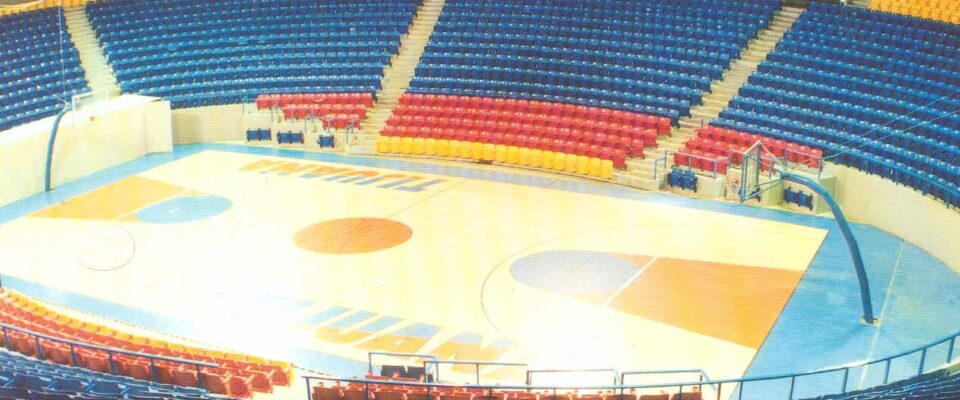
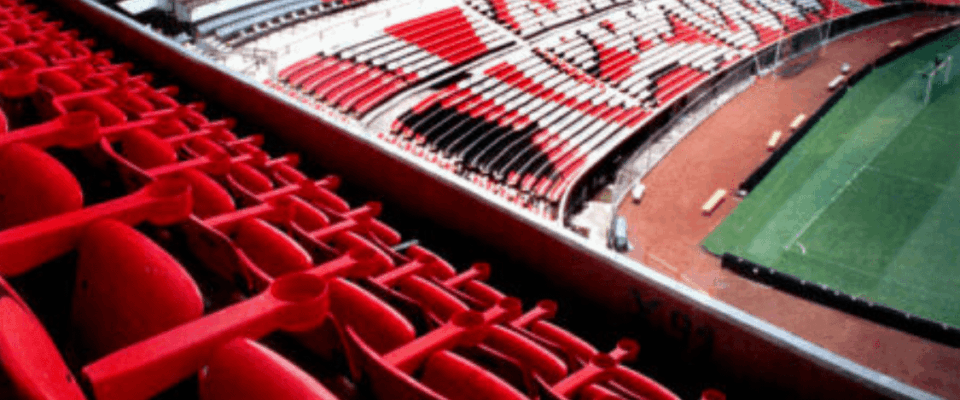
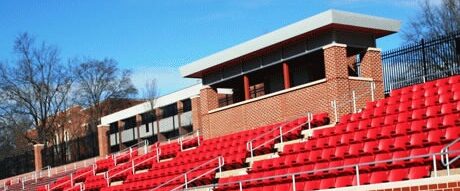
Parents, teachers and local administrators may overlook the importance of school bleachers in the daily operation of schools. High schools and colleges need stadium seating that brings in large crowds for tournaments, concerts and outdoor events. Bleachers and individual seats represent big money for local communities looking to offset monthly costs.
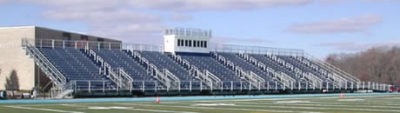
The average school cannot simply plunk down a set of bleachers next to its football field and hope that people arrive. The following characteristics of stadium bleachers can help schools realize returns on their initial investments:
- Smaller sections
- Limited spaces for each ticket holder
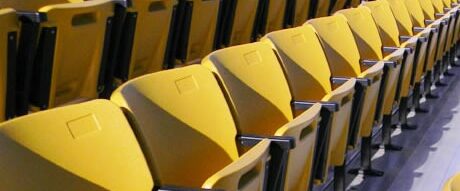
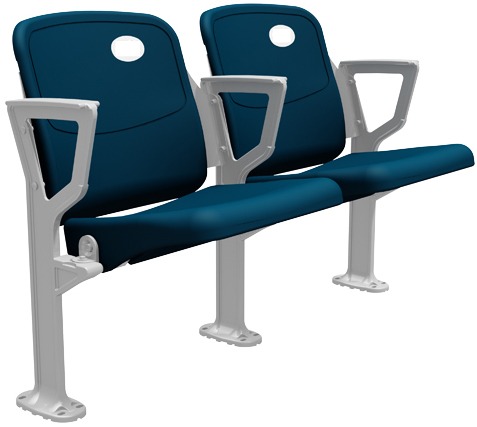
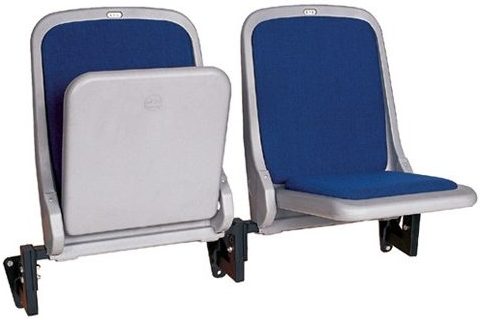
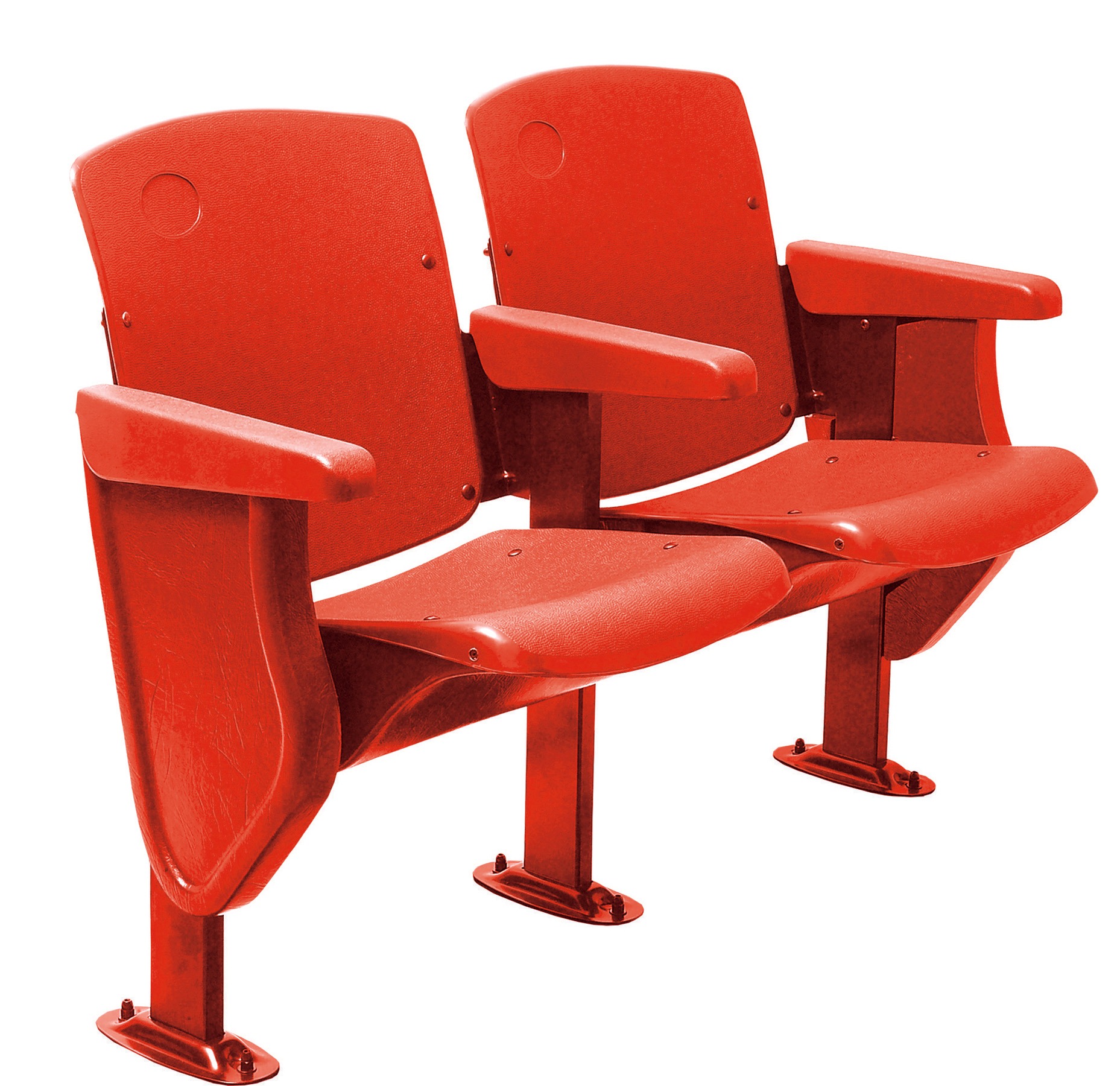
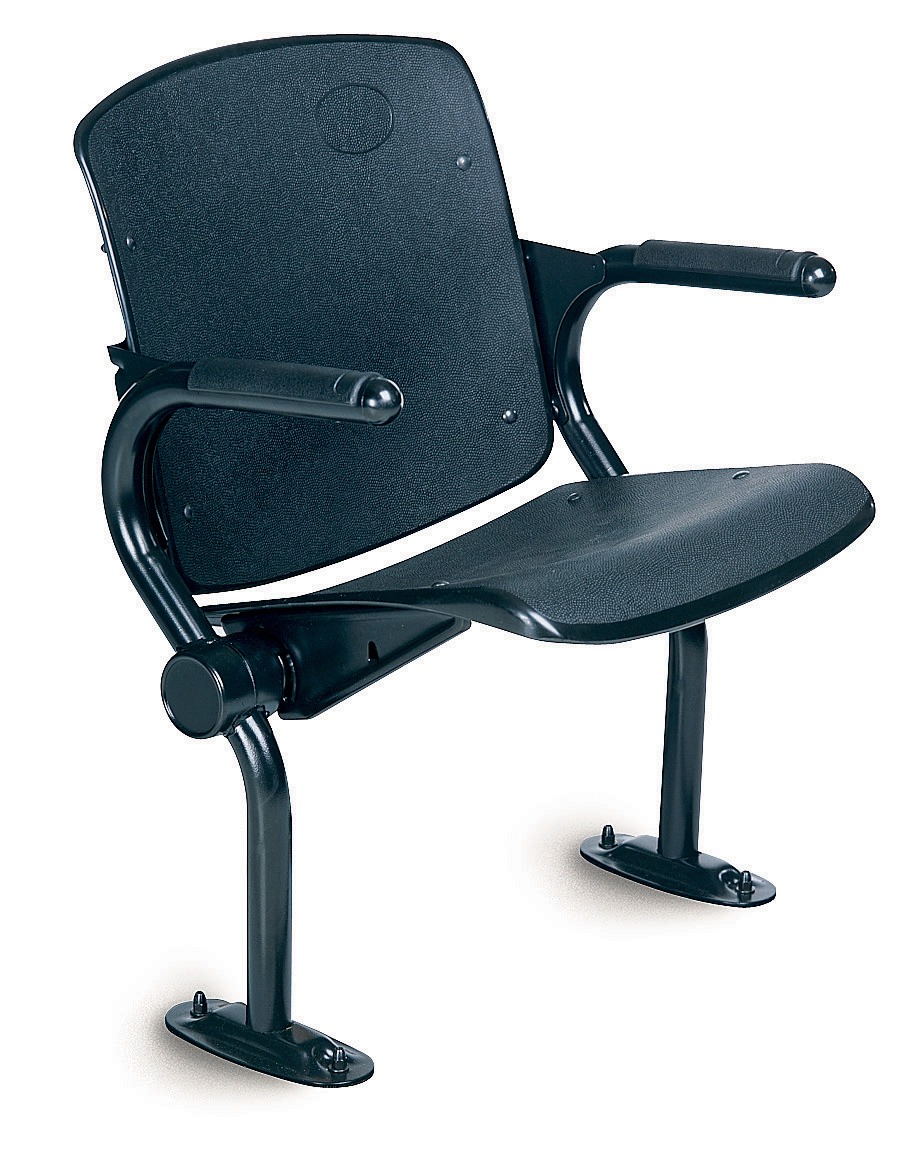
- Comfortable seating options
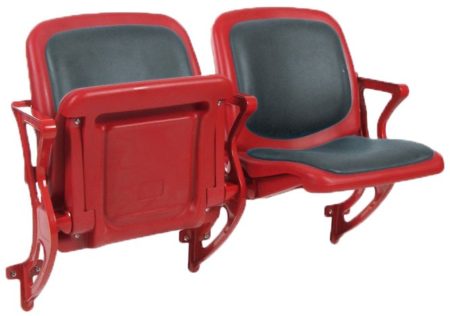
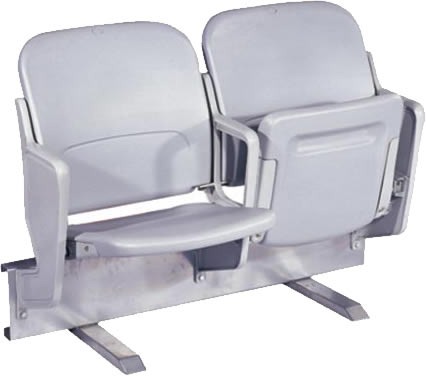
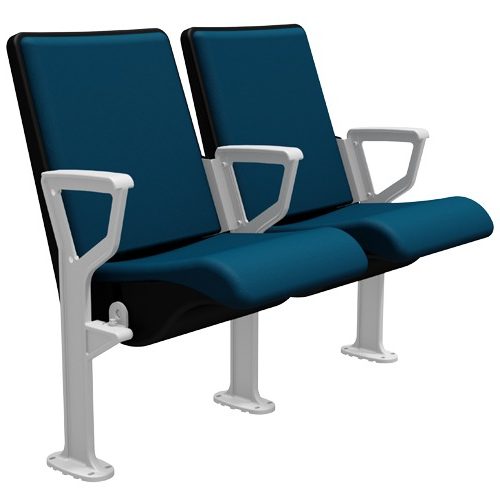
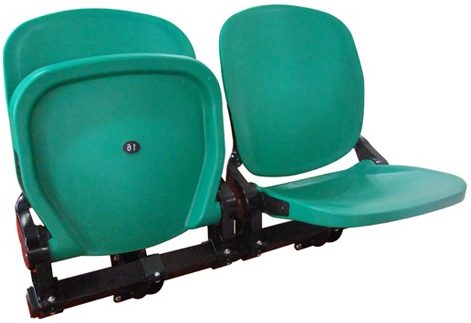
The Art and Science of Bleacher Seating: What Every Stadium Designer Should Know
When you walk into a packed stadium on game day, there’s an undeniable energy in the air—the roar of the crowd, the gleam of the lights, and the sense that every seat is part of something bigger. But have you ever stopped to think about what’s actually behind that experience? It’s not just the players or the scoreboard. Much of that energy begins with something that’s often overlooked: bleacher seating.
From high school fields to professional arenas, the right bleacher design can shape the way fans engage with the game. And companies like Preferred Seating have spent decades mastering the craft, ensuring every row, riser, and railing adds to both comfort and safety.
Let’s explore the essential terminology and key considerations that define high-quality bleacher seating and why it matters for every stadium project.
Understanding the Anatomy of Bleacher Seating
Bleacher seating may look simple—rows of benches stretching toward the sky—but in reality, it’s a careful balance of engineering and ergonomics.
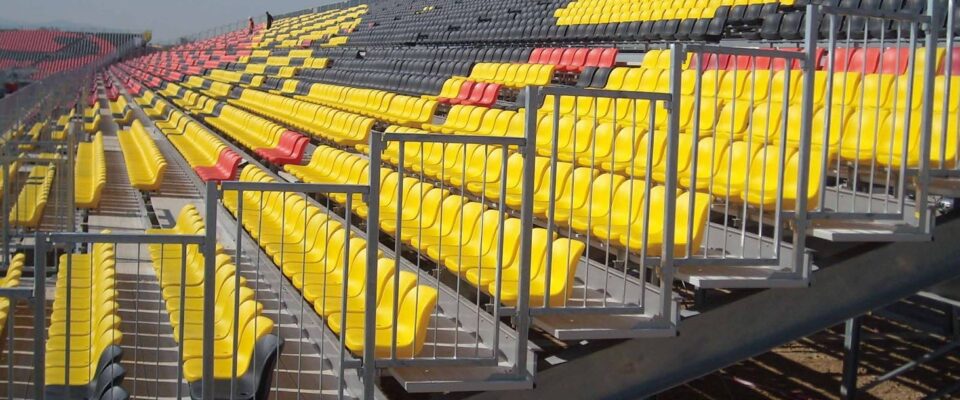
At its core, bleacher seating consists of three major components: framework, decking, and seating planks. The framework, often made from steel or aluminum, forms the structural skeleton. Decking refers to the horizontal platforms underfoot, while the seating planks are the actual benches where spectators sit. Together, they must meet strict building codes to support thousands of pounds of live load per row.
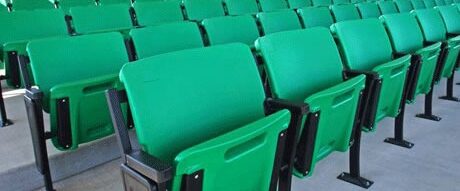
But structure alone isn’t enough. Modern stadium standards demand comfort, ADA accessibility, and durability. Whether it’s all-aluminum bleachers for outdoor venues or hybrid designs incorporating polymer seats for indoor stadiums, each decision reflects an intricate understanding of fan behavior and safety regulations.
Key Terminology Every Stadium Planner Should Know
When talking about bleacher seating, a few key terms come up again and again—and knowing them can make or break a project:
- Tread and Riser: The tread is the surface people walk on, while the riser is the vertical distance between rows. Stadium codes dictate exact ratios to ensure safety and visibility.
- Rise per Row: This measures how high each subsequent row sits above the last. The right rise guarantees that every fan, from the front row to the top, has a clear line of sight.
- Guardrail and Aisle Handrail: Essential for safety, these prevent falls and guide movement through crowded areas. Preferred Seating offers designs that blend seamlessly with modern stadium aesthetics.
- Accessible Seating: Modern bleacher systems must include areas for wheelchairs and companions, integrating ramps and transfer platforms that comply with ADA standards.
- Anchor System: These are the fasteners that secure bleachers to the foundation, crucial for stability—especially in outdoor stadium environments exposed to wind and vibration.
Understanding these terms helps venue planners, architects, and athletic directors speak the same language, ensuring that the finished installation meets both safety codes and design vision.
The Safety and Durability Equation
When it comes to stadium seating, safety is not negotiable. Every component of bleacher seating must be designed to withstand years of crowd movement, weather exposure, and structural stress.
Preferred Seating takes this seriously by using marine-grade aluminum, which resists corrosion, rust, and UV degradation. For outdoor stadium installations, these materials are game-changers, preventing warping and cracking that can occur under intense sun or freezing conditions.
Another important factor? Load capacity. Each level of bleacher seating must bear live loads ranging from 100 to 120 pounds and varies by square footage according to local construction regulations. That’s why professional installers perform rigorous testing, from anchor inspections to vibration analysis.
And let’s not forget about maintenance—or, ideally, the lack of it. Modern bleacher systems from Preferred Seating are designed for minimal upkeep, featuring anodized finishes that resist fading and easy-clean planks that keep your stadium looking sharp year after year.
The Spectator Experience: Beyond Simply Sitting Down
While engineering ensures safety, true excellence in bleacher seating design comes from understanding the fan. After all, a great stadium experience isn’t just about seeing the action—it’s about feeling it.
Comfort, sightlines, and accessibility play a huge role in how fans perceive a venue. Preferred Seating knows that a few extra inches of seat depth or legroom can turn an ordinary event into a memorable experience. Even something as simple as the angle of a backrest or the height of a footrest can determine whether fans stay energized or restless halfway through the game.
Modern bleachers can also be customized to match a team’s brand identity. Powder-coated finishes, school colors, and laser-cut logos on riser panels all add personality while maintaining professional polish. Because in today’s stadiums, design and spirit go hand in hand.
And let’s be honest—fans notice. They remember which venues make them feel part of something special. That’s why top programs and schools across the country choose Preferred Seating: they understand that quality bleacher seating isn’t just furniture—it’s part of the show.
From Concept to Completion: Partnering with Preferred Seating
A well-designed stadium doesn’t happen by accident. It’s the result of thoughtful collaboration among engineers, architects, and suppliers who understand the nuances of venue design. Preferred Seating has built its reputation on that very foundation.
From initial consultation to installation, the company provides tailored solutions that fit the size, budget, and vision of each client. Whether it’s a small-town athletic field or a major collegiate arena, Preferred Seating approaches every project with the same commitment to safety, performance, and long-term value.
Their team also assists with code compliance, ensuring that every bleacher installation meets International Building Code (IBC) and ADA requirements. They even offer renovation options for older stadiums—upgrading wooden bleachers to modern aluminum systems without compromising the venue’s historical integrity.
The Takeaway: Building Legacy, One Seat at a Time
In the end, bleacher seating is about more than metal and bolts—it’s about creating places where memories are made. Every cheer, every goal, every concert encore echoes through those seats, connecting communities for generations.
When you invest in quality design and expert craftsmanship, you’re not just building a stadium—you’re building a legacy. And with Preferred Seating by your side, that legacy stands strong, safe, and comfortable for decades to come.
So next time you walk up those gleaming aluminum steps and find your spot in the stands, take a second to look around. What you see isn’t just architecture—it’s human connection, engineered.