Cheyenne: Capital City Venues With Outsized Expectations
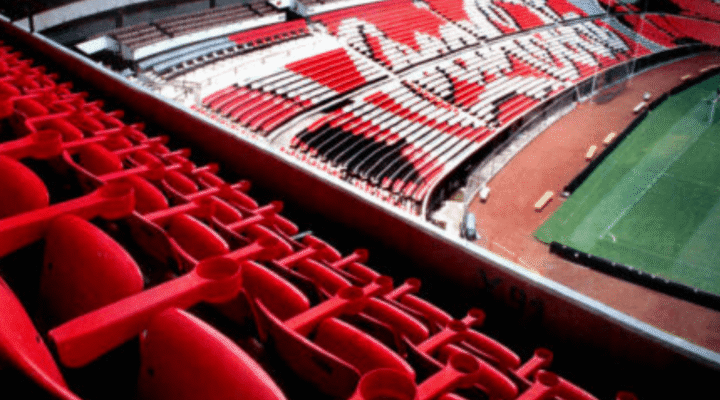
Cheyenne punches well above its population weight when it comes to live events. The city hosts one of the most famous annual Western celebrations in the country — a multi-day spectacle that brings hundreds of thousands of visitors through its gates every summer. The outdoor and indoor venues that support that event, along with the city’s year-round sports and civic programming, represent serious seating infrastructure.
Stadium seating in Cheyenne must contend with the full range of Wyoming weather. Summer events can run hot and sun-drenched, which means bleachers and arena seats need UV-stable materials that won’t fade, crack, or warp after a few seasons of direct exposure. Then comes winter, where temperatures regularly drop below zero and freeze-thaw cycles can destroy poorly specified fasteners, structural components, and seat backs over time.
For outdoor bleachers specifically, aluminum remains the dominant material in this market — and for good reason. It handles thermal cycling better than most alternatives, sheds snow and ice more easily, and requires far less maintenance than wood or composite options. But aluminum bleachers aren’t all created equal. Gauge thickness, weld quality, and coating specifications matter enormously in a climate like Cheyenne’s, and cutting corners on any of them tends to show up within the first few winters.
ADA accessibility is another non-negotiable consideration. Cheyenne’s venues serve a broad cross-section of the community, including military veterans, agricultural workers, and older residents who may have mobility limitations. Compliant arena seats, accessible routes through bleacher sections, and properly designed companion seating spaces aren’t optional additions — they’re baseline requirements for any professional installation.
Casper: Wyoming’s Second City and Its Arena-Driven Culture
About 180 miles north of Cheyenne, Casper operates as Wyoming’s second-largest city and one of its most active live-event markets. The city’s centrally located arena has long served as a hub for concerts, rodeos, trade shows, and sporting events — and its seating infrastructure reflects that multipurpose demand.
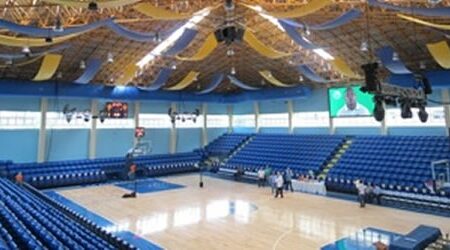
Arena seats in a multipurpose facility like Casper’s need to balance several competing priorities. Fixed seating configurations work well for structured events like hockey or basketball, but venues that also host rodeos, concerts, and conventions often need the flexibility of retractable bleachers that can be pulled back to open floor space. That retractability comes with its own set of engineering requirements — mechanisms need to operate reliably in cold temperatures, and the telescoping components need to be robust enough to handle years of repeated deployment.
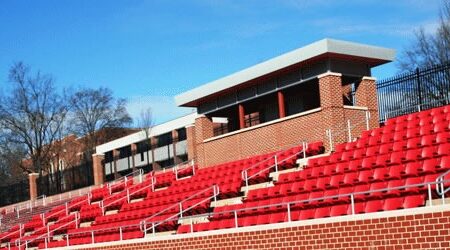
For Casper’s outdoor venues — including athletic fields and fairgrounds — permanent aluminum bleachers with press boxes and ADA-compliant sections have become the standard expectation. The days of throwing up a set of bare risers and calling it done are over. Modern bleacher specifications in this market increasingly include back rests, aisle railings, and weather-resistant finishes as standard features, not upgrades.
Laramie: University Town, High Altitude, and Passionate Sports Fans
Laramie sits at over 7,200 feet above sea level — higher than Denver — which creates a unique set of conditions for outdoor stadium seating. The University of Wyoming anchors the city’s event culture, and its football program draws passionate regional fan bases who pack the stands regardless of the notoriously unpredictable Laramie weather. Wind is a constant factor here. Stadium seating structures need to be engineered for significant lateral wind loads, and bleacher anchorage systems need to account for soil conditions that vary considerably across the region.
The university environment also means a younger, more physically active audience demographic mixed with alumni and older fans. Getting the ergonomics right — seat depth, row spacing, riser height — matters more than many venue managers initially expect. When you’re asking fans to sit for three hours in a mountain-altitude wind chill, every inch of seat design shows up in the experience.
What to Look for When Specifying Wyoming Seating
Whether you’re procuring stadium seating for a Cheyenne civic venue, replacing worn bleachers at a Casper fairground, or upgrading arena seats at a Laramie athletic facility, the evaluation criteria are consistent:
- Climate-rated materials — aluminum gauging, coating systems, and hardware specified for freeze-thaw and UV exposure
- Structural engineering documentation — load ratings and wind calculations appropriate for Wyoming conditions
- ADA compliance throughout — not as an afterthought, but designed in from the start
- Proven installation experience in comparable climates and facility types
- Post-installation service availability — because a vendor who disappears after delivery isn’t a partner
Closing Thoughts
Wyoming venues deserve seating solutions that take the environment seriously. From Cheyenne’s summer rodeo grounds to Laramie’s wind-swept stadium, the right bleachers, arena seats, and stadium seating configurations can elevate the fan experience and reduce long-term maintenance costs significantly. Don’t settle for spec sheets that ignore your climate. Work with a partner who understands what Wyoming actually demands — and builds accordingly.
Contact us today for a consultation tailored to your Wyoming venue’s specific needs.