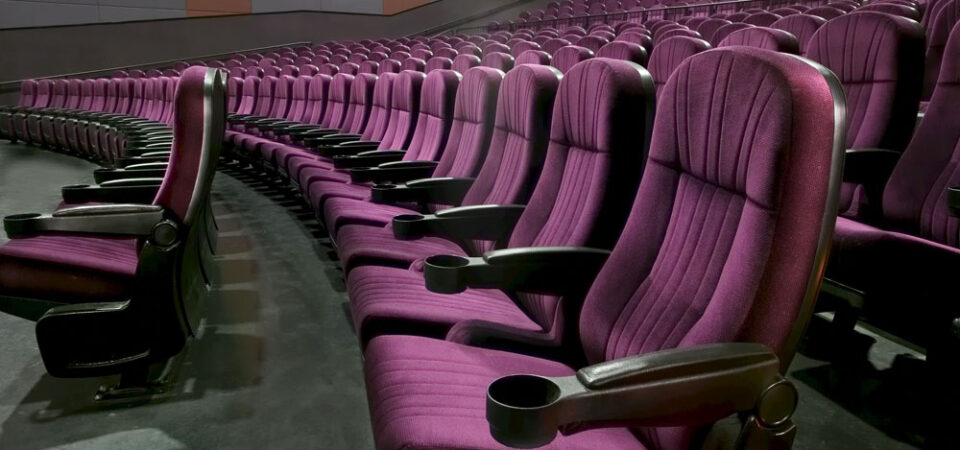
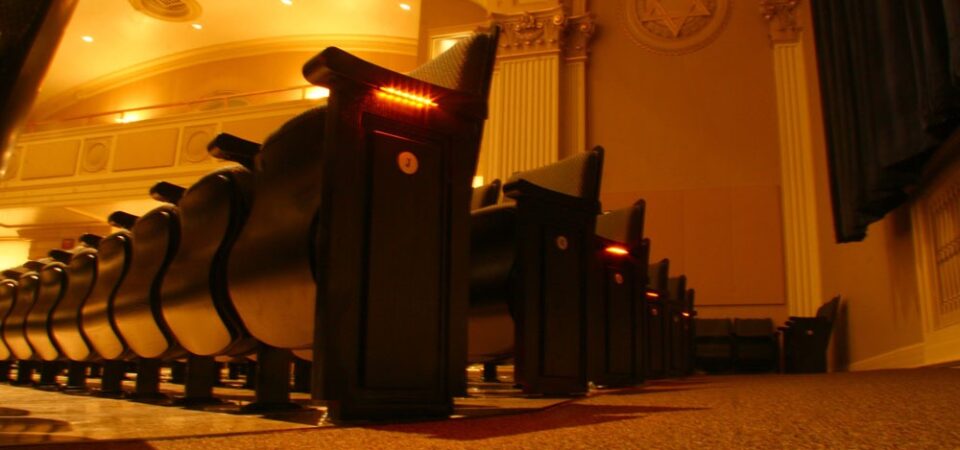
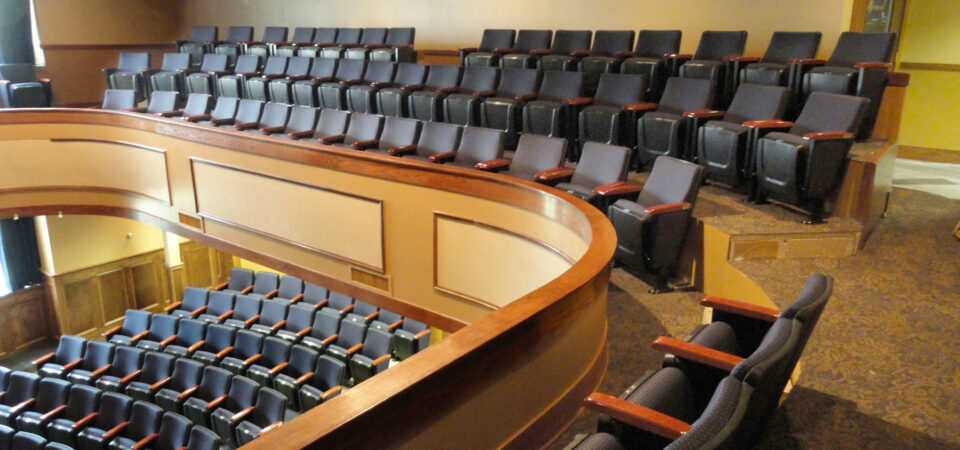
Nevada’s audiences are equally diverse. You’ve got first-time tourists sitting next to seasoned locals. You’ve got international visitors who expect world-class accommodations next to community theater patrons who just want a comfortable night out. That range of expectation is one of the most underappreciated challenges in specifying auditorium seats for this market.
Las Vegas: Volume, Variety, and the Demand for Resilience
Clark County — anchored by Las Vegas — is the state’s largest metro market, and its entertainment infrastructure is unlike anything else in North America. The sheer volume of performances, conventions, residencies, and live events means that theater seating in this market faces extraordinary wear cycles. A seat that might last 15 years in a mid-sized regional venue could face twice the occupancy load in a year in southern Nevada.
But it’s not just about durability. Las Vegas audiences skew toward diverse international demographics, meaning ADA compliance isn’t a checkbox — it’s a genuine design priority. Accessible auditorium seats, companion seating configurations, and aisle placement need to meet or exceed federal standards while still integrating seamlessly into the aesthetic of the venue. In a competitive market, the visual impression of your seating matters almost as much as its function.
Climate consideration here is critical. Venues near the Strip often operate powerful HVAC systems that cycle aggressively, meaning theater seating materials — foams, fabrics, plastics — need to be specified for both thermal and moisture-cycle resilience. Antimicrobial fabric treatments are increasingly standard in this market, particularly post-pandemic, and any vendor who doesn’t offer them isn’t keeping pace with the industry.
Reno-Sparks: High Desert Audiences with Sophisticated Expectations
Move north to the Reno-Sparks metro and you encounter a different but equally demanding environment. Reno has invested significantly in its arts and cultural infrastructure over the past decade, and performing arts audiences here are discerning. They may not always fill 2,000-seat halls, but they notice when auditorium seats are squeaky, when the row spacing feels cramped, or when the upholstery starts to show its age after two seasons.
The high desert climate introduces unique material stressors. Lower humidity levels mean that wood components in theater seating need proper sealing and treatment to prevent cracking. Static electricity buildup — more pronounced in dry environments — can be a subtle but persistent annoyance if seat materials aren’t properly specified. These are the kinds of regional nuances that a national vendor without local expertise might overlook.
Reno also serves a growing tech-adjacent professional population that has high baseline expectations for amenity quality. To compete for corporate events, acclaimed live performances, and major touring productions, a venue must offer seating that reflects a premium experience. Your seating needs to communicate quality from the moment someone walks in the door.
Henderson and the Southern Nevada Suburbs: Community-Focused and Family-Driven
Henderson — Nevada’s second-largest city — represents a different seating context entirely. Its performing arts spaces often serve community theater, school productions, civic events, and family programming. Here, the keyword isn’t spectacle; it’s practicality. Theater seating in these venues needs to accommodate a wide range of body types and ages, hold up to the enthusiastic use of younger audiences, and do so at a price point that makes sense for municipal budgets.
That said, “community venue” shouldn’t mean cutting corners. Auditorium seats in Henderson facilities face the same intense heat exposure as anything in the broader Las Vegas valley — potentially worse, given that many community centers aren’t climate-controlled to the same standard as major entertainment venues. Durability specifications need to reflect that reality, not just the budget line.
Choosing the Right Partner for Nevada Theater Seating
So what should you actually look for when specifying theater seating for a Nevada venue? Here’s what separates the right vendor from the rest:
- Climate-appropriate material specifications — foam densities, fabric treatments, and structural components rated for desert thermal cycling
- ADA compliance expertise — not just legal minimum compliance, but thoughtful accessible design
- Proven durability data — ask for lifecycle performance in comparable high-use environments
- Local installation and service support — Nevada’s remoteness from major manufacturing hubs makes post-sale support a genuine differentiator
- Aesthetic range — auditorium seats should fit the visual identity of your specific venue, whether that’s a black-box theater in downtown Reno or a 1,500-seat performing arts hall in Henderson
Final Thoughts
Nevada rewards venues that take the long view. The right theater seating investment — made with a clear eye toward local climate, audience needs, and operational realities — will serve your patrons and your bottom line for decades. The wrong one will cost you in replacements, repairs, and reputation. Whether you’re managing a grand auditorium or an intimate community playhouse, the seats you choose say everything about how seriously you take the audience’s experience. Make that statement count.
Ready to explore auditorium seating solutions built for Nevada’s unique demands? Contact our team for a customized consultation today. Call us 317-716-9370.