



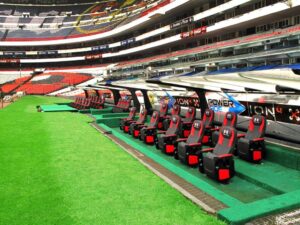
 Imagine stepping into a stadium not just to watch a game, but to be part of a luxury experience that feels tailor-made. That’s the power of VIP seating in today’s sports and entertainment venues. It’s no longer simply about getting a clearer view of the action or sitting on hard bleachers. It’s about comfort, exclusivity, and an unforgettable fan experience that goes far beyond the action on the turf. In a world where spectators crave more than just a game, VIP seating has emerged as a defining feature of modern stadium design and economics.
Let’s break down why VIP seating is more than just a flashy upgrade—it’s a strategic move that fuels revenue growth, strengthens brand partnerships, and redefines what it means to attend a live event.
The Evolution of the Fan Experience
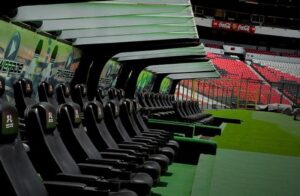
Gone are the days when fans were content with basic bleachers and long concession lines. Today’s stadium attendees are looking for more—more comfort, more service, and more value for their time and money. VIP seating like used in cinemas or auditoriums delivers all of that and more. We’re talking plush seats, exclusive lounges, in-seat service, private entrances, and access to gourmet food and premium drinks.
This transformation reflects a broader shift in consumer expectations. Think about it: when you can stream the game in 4K resolution at home with commentary, replays, and your own fridge nearby, why would you battle traffic and pay premium prices to go in person? VIP seating answers that question by turning the stadium experience into something no screen at home can replicate.
The fan experience now begins before kick-off and extends long after the final whistle. From valet parking to post-game meet-and-greets, VIP seating is the gateway to a new standard of entertainment.
Luxury Meets Revenue: The Financial Power of Premium Seating
 Let’s talk numbers. Stadiums don’t just offer VIP seating to pamper fans—they do it because it drives serious revenue. A single luxury suite can bring in tens of thousands of dollars per event. Multiply that across a season, and you’re looking at millions in additional income. Add club seats, loge boxes, and VIP lounges, and the financial impact becomes undeniable.
In fact, VIP seating often subsidizes the cost of maintaining and operating the entire stadium. While general admission tickets may cover the basics, it’s the premium areas that create margin and profitability. These luxury zones are more than seats—they’re revenue engines.
What’s more, high-end seating packages often come with multi-year contracts, guaranteeing long-term income and reducing financial risk for stadium operators. And let’s not forget the upsell potential: premium ticket holders often spend more on concessions, merchandise, and parking.
VIP Seating as a Catalyst for Brand Partnerships
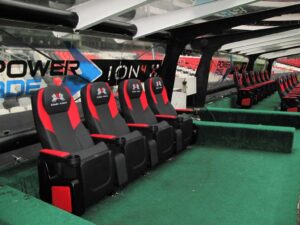 When a stadium offers VIP seating, it also opens the door for lucrative brand collaborations. Businesses are enthusiastic about connecting their brands to high-end experiences and an air of exclusivity. Naming rights for VIP lounges, branded suites, and co-branded experiences allow companies to reach high-value consumers in a memorable setting.
Take, for instance, venues such as the Nike Club or the Lexus Lounge. These partnerships are more than sponsorships; they’re immersive brand experiences built into the stadium environment. For brands, it’s a chance to connect with a captive, affluent audience. For the stadium, it’s another revenue stream and a way to enhance the fan experience through curated offerings.
VIP stadium seating areas can also become hubs for corporate hospitality. Businesses use them to entertain clients, reward employees, or close deals. This makes stadiums not just sports venues, but powerful tools for business networking and relationship-building.
The Psychological Edge: Prestige and Exclusivity
 Let’s be honest—part of the appeal of VIP seating is status. People like to feel important. When you’re ushered into a private entrance, greeted by a concierge, and handed a drink before you even sit down, you feel special. That’s no accident. Stadium designers and marketers understand the psychological impact of exclusivity.
VIP seating creates a sense of belonging to an elite club. It appeals to our natural craving for status and being set apart from the crowd. This emotional payoff is just as important as the physical perks. It represents more than just a place to sit—it’s a sign of privilege, prestige, and luxury.
This also explains why VIP areas often sell out first, even at higher prices. For many fans, the added luxury is worth the premium—not just for comfort, but for the story it lets them tell.
Designing the Future: Innovation in Stadium Luxury
As stadiums evolve, so do the expectations for VIP seating. We’re seeing innovations like retractable glass walls, climate-controlled suites, and personalized digital experiences. Some venues offer touchscreen menus, adjustable lighting, and even AR-enhanced views of the game.
The integration of technology into luxury seating is creating hyper-customized experiences. Want to order sushi and have it delivered to your suite during the third quarter? No problem. Want to watch replays from multiple camera angles on your own device? Done.
And let’s not forget sustainability. Many modern VIP sections are incorporating eco-friendly materials, stadium energy-efficient systems, and sustainability catering options. It’s no longer just about opulence—it’s about mindful, lasting luxury that prioritizes sustainability.
Conclusion: More Than a Seat, It’s a Strategy
 VIP seating has emerged as a key element in the success of today’s stadiums. It elevates the fan experience, generates massive revenue, and attracts premium brand partnerships. From luxury suites to exclusive clubs, these sections are transforming how people think about live events.
In an age where entertainment options are endless, stadiums must offer something extraordinary to stand out. VIP seating does exactly that. It’s not just a nice-to-have; it’s a game-changer—for fans, for brands, and for the business of sports itself.
So the next time you step into a stadium, take a moment to glance up at those sleek, glass-fronted suites. They’re not just seats. They’re the future.


AI Logo Generator
1 Aug 2025The mention of used seating and restoration services really stood out to me. With more venues looking for sustainable upgrade options, repurposing existing seating seems like a smart and eco-conscious approach.