How to Layout and Design Your Home Theater Area

1. Clear the Space
Begin by clearing the room of any furniture, decor, or obstructions that may interfere with accurate measurements. Ensure that the floor, walls, and ceiling are free from clutter to facilitate unhindered access for measuring.
2. Measure the Room Dimensions

3. Identify Obstacles
Take note of any structural features, such as doors, windows, columns, or protrusions, that could impact the placement of equipment or seating. Measure the distance between these obstacles and the walls to ensure sufficient clearance for screens, speakers, and seating arrangements.
4. Determine Viewing Distance
The viewing distance is an essential factor in determining the appropriate screen size. A general guideline is to sit a distance away that is approximately 1.5 to 2.5 times the diagonal screen size. For example, if you plan to install a 100-inch screen, the optimal viewing distance would be approximately 150 to 250 inches (or 12.5 to 20.8 feet). Measure the distance from the planned screen location to the seating area to ensure it falls within this recommended range.
5. Assess Room Acoustics

6. Seating Placement
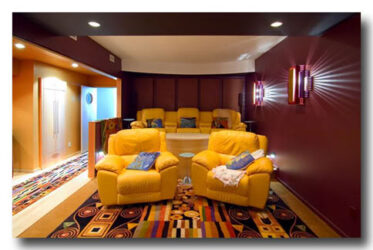
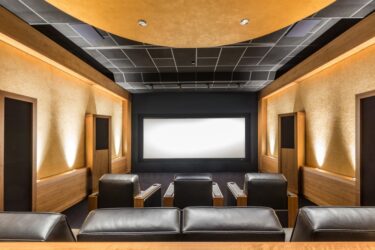
Decide on the seating arrangement for your home theater. Measure the distance between the planned seating area and the screen location. Consider the viewing angle and ensure that all seats have a clear line of sight to the screen without any obstructions. Aim for a seating arrangement that provides an immersive viewing experience while maintaining optimal comfort.
7. Speaker Placement

8. Document Measurements
As you take measurements, document them in a diagram or floor plan of the room. Include the dimensions, distances, and obstacles you have identified. This visual representation will serve as a valuable reference during the planning and setup stages of your home theater.
By adhering to these techniques you can exactly measure your home theater space, allowing for informed decision-making during the setup process. Remember to consider factors such as viewing distance, room dimensions, seating placement, and audio equipment placement to create an optimal entertainment experience. Taking the time to measure and plan properly will contribute to a well-designed and immersive entertainment space, ensuring that you can enjoy your favorite movies, shows, and games to the fullest in the comfort of your own home.