Preferred Stadium, Auditorium & Theater Seating for Projects of All Sizes Worldwide
Custom seating solutions for stadiums, schools, theaters, and churches—supporting everything from single-room upgrades to large-scale venue projects globally.
Bleacher Design Standards: Key Considerations for Safe and Efficient Stadium Seating
Introduction
When constructing new stadium seating, there are multiple design factors to consider, ranging from spectator comfort to structural safety. Whether designing a small set of arena chairs for a high school gym or a large grandstand for a professional sports venue, careful planning is essential to ensure durability, accessibility, and compliance with industry standards.
The first step is to collaborate with a reputable grandstand manufacturer, such as Preferred Seating, to develop a plan that aligns with your facility’s goals. A professional designer will help implement these goals into the bleacher design and provide a quote for the project.
Understanding the various design standards, structural components, and safety requirements is crucial to making informed decisions. In this guide, we will explore the essential terminology and considerations involved in creating safe and effective stadium seating solutions.
Planning Bleacher Seating for Schools and Athletic Facilities
Planning new bleacher seating requires careful consideration of spectator capacity, available space, structural conditions, accessibility, and long-term maintenance. School districts, colleges, municipalities, and athletic organizations must select seating systems that support their facilities while meeting applicable safety and building requirements.
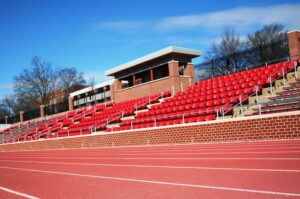
A high school football stadium may need permanent outdoor aluminum bleachers designed to accommodate large crowds, while an indoor gymnasium may require portable or retractable seating that allows the facility to serve multiple purposes.
Choosing the Right Type of Bleacher
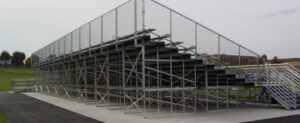
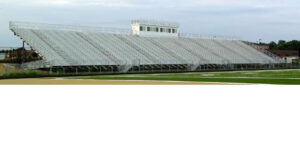
The location and intended use of the facility help determine which bleacher design is appropriate. Angle-frame bleachers may be suitable for smaller athletic fields and recreational facilities, while I-beam grandstands can support larger elevated seating configurations.
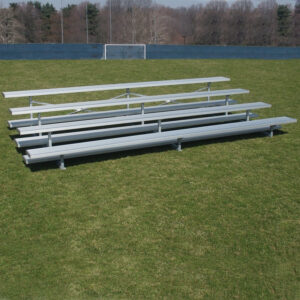
Portable bleachers provide flexibility for facilities that need additional spectator seating for specific events. Permanent grandstands are generally designed around the site’s capacity requirements, structural conditions, and long-term use.
Facility managers should also determine whether traditional aluminum bench seating will meet spectator needs or whether selected sections should include individual commercial stadium chairs.
Important Questions Before Purchasing Bleachers
Before requesting proposals for new bleacher seating, facility managers should identify the intended seating capacity, site dimensions, ground conditions, accessibility requirements, and available project budget.
Additional considerations include the location of entrances and exits, pedestrian circulation, spectator sightlines, the proposed seating elevation, and the type of foundation required.
These details help seating suppliers and qualified design professionals develop suitable seating options and identify potential installation challenges before construction begins.
Understanding Bleacher Construction
Historically, bleacher design has followed a standard layout with uniform rise and run measurements. However, modern advancements now offer customization options, including VIP sections, ADA-compliant seating, and modular layouts to suit different venues.
Seating Capacity Standards
Seating capacity standards vary by location and regulatory bodies. Typically, they follow these measurements:
Bench seating: 24 inches per seat (in some states)
Standard bleacher seating: er seat 18 inches
Chairs with armrests: 20 inches per seat
It is important to consult local high school associations or regulatory bodies to verify particular requirements.before finalizing your bleacher design.
Ideal for sloped terrains or facilities requiring storage space beneath the grandstand
Frames are spaced 18 feet laterally and 12–18 feet front-to-back
Common in spacious arenas and raised seating areas
Elevated Bleachers
First seating row is positioned 30–40 inches above ground level
Provides an enhanced sightline for spectators
Often includes ADA-accessible ramps and handrails
Non-Elevated Bleachers
First row is at ground level, allowing easy access
Suitable for smaller venues and schools
Less expensive and easier to install
Portable Bleachers
Designed for mobility and easy storage
Some models include wheels for effortless transportation
Often used for multi-purpose sports fields and temporary events
Site Preparation and Structural Considerations
Soil Testing and Stability
Before beginning construction, conducting a soil test is crucial to ensure the ground can support the weight of fully occupied stadium seating. The industry standard requires a soil bearing capacity of 2,500 to 3,000 psf (pounds per square foot). If soil conditions do not meet this requirement, additional foundation work will be necessary, which could extend the construction timeline.
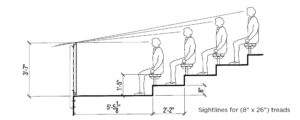
Sightlines and Optimal Viewing Angles
A key aspect of bleacher design is ensuring optimal sightlines for spectators. The goal is to provide an unobstructed view of the field for as many attendees as possible. This is achieved using the “C-value” equation:
C = (D(N+R) / D+T) – R
Where:
D = Horizontal distance from the eye to the field
N = Riser height
R = Vertical elevation to the focal point
T = Seating row depth
By adjusting these parameters, designers can create a stadium seating arrangement that maximizes visibility and enhances the spectator experience.
Safety Standards and Compliance
Safety is paramount when constructing grandstands. Various regulatory bodies, including the International Building Code (IBC) and the Americans with Disabilities Act (ADA), provide guidelines that must be followed.
Key Safety Features
Guardrails: Necessary for elevated bleacher designs to ensure fall prevention
Handrails: Installed on staircases and walkways to assist spectators
Non-Slip Surfaces: Essential for steps and aisles to reduce the risk of slipping
Wheelchair Accessibility: ADA regulations mandate designated seating areas and ramps for wheelchair users
Weather Protection: Canopies or covered seating to shield spectators from rain and sun
Integrated Storage: Beneath I-beam bleachers for equipment and concessions
LED Lighting: Improves visibility for nighttime events
Branding and Aesthetic Enhancements
Schools and athletic organizations frequently personalize stadium seating by incorporating team colors, logos, and sponsorship advertisements. Personalized arena chairs with engraved team names or donor plaques add a professional touch to the facility.
Purchasing New Bleachers or Upgrading Existing Stadium Seating
School districts and athletic facilities do not always need to construct an entirely new grandstand to improve spectator seating. Depending on the condition of the existing structure, renovation may involve replacing damaged seating components, upgrading selected seating sections, or installing individual stadium chairs.
Evaluating Existing Bleachers Before Replacement
Before beginning a renovation, facility managers should arrange for a qualified professional to evaluate the structural condition of existing bleachers. The review may include the supporting framework, seating planks, connections, foundations, guardrails, handrails, stairways, and accessible routes.
Older bleacher systems may also need improvements to address applicable safety and accessibility requirements. The appropriate upgrades depend on the structure, project scope, and building codes enforced in the facility’s jurisdiction.
Selecting Seating Products for Long-Term Use
Durability and maintenance are important considerations when purchasing commercial bleacher seating. Outdoor facilities should evaluate corrosion resistance, exposure to sunlight and moisture, cleaning requirements, and the availability of replacement components.
For facilities considering individual chair-back seating, Preferred Seating offers outdoor stadium seating suitable for a range of athletic venue projects.
Request Assistance With Your Bleacher Seating Project
Our services include seating supply, seating with arranged installation, and complete seating replacement projects. We help customers explore options based on facility requirements, available space, and project budgets.
Planning a new bleacher installation or stadium seating renovation?
Contact Preferred Seating at 317-716-9370 to discuss seating options and request a project quote.
Conclusion
Designing and constructing stadium seating requires careful planning and adherence to safety standards. By understanding soil conditions, optimizing sightlines, and choosing the right bleacher design, facility owners can create a comfortable and secure environment for spectators.
Routine inspections and maintenance ensure longevity, while additional features like VIP seating and branding opportunities enhance the overall game-day experience. Whether you’re building for a small high school field or a professional sports venue, investing in quality bleacher design will pay off for years to come. For more bleacher articles.
For expert guidance and a customized quote, consider consulting Preferred Seating to navigate the process of constructing your ideal stadium seating solution.