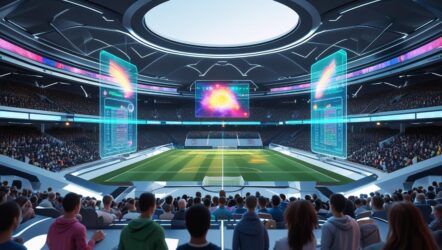
By the mid-20th century, steel and concrete ballparks had largely replaced the old wooden venues. However, they were somewhat uniform in design. Some hosted baseball teams, some were built for football, and many were constructed for both.
Multi-purpose Entertainment Destinations

Rather than merely being sports-focused, some of these new billion dollar venues are diverse entertainment destinations that also speak to the cultural, artistic, and entertainment needs of the greater community.
Many of these newer facilities are designed to appeal to the senses before one ever steps through the gates. Open-air pedestrian plazas are part of an increasingly common “City Walk” effect that’s reminiscent of a design by the same name at Universal Studios. Shops, boutiques, restaurants, and smaller entertainment venues may greet arriving patrons.
Easier Access, More Convenience

Point-of-sale distribution is also designed with shorter wait times as the goal. The liberal use of monitors simulcasting the event make any waiting more tolerable than ever before.
Ergonomic Seating And More
The comfort of spectators has been considered to an impressive degree in these new stadiums. The old wooden or aluminum bleachers have been replaced in most venues by seats that are fairly wide and ergonomically designed. Private, enclosed suites that typically seat 10-16 fans often feature plush, upholstered seats. Loge-type seating takes this luxury out beyond the suite. High-end seating often includes counter space for drinks and meals. Some such seating even includes personal TV monitors.
Undoubtedly, today’s newest venues incorporate amenities that make attendance more pleasurable than ever before. Comfortable, happy patrons that don’t have to wait in line invariably spend more, thus justifying the investment in these grand new stadiums.