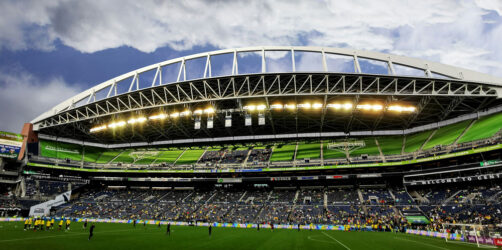
An aging grandstand can change the way people experience a game. Fans may love the team, but hard benches, faded chairs, and broken backs can make a two-hour event feel much longer. For schools, arenas, and athletic facilities, the right stadium seating does more than improve appearance. It gives spectators a comfortable place to gather, supports efficient facility operations, and makes better use of renovation budgets.
You don’t necessarily need to rebuild an entire venue to make a noticeable difference. From replacement stadium seating to stadium seats for existing bleachers, there are practical ways to upgrade facilities of different sizes. The key is choosing products that suit your structure, usage, climate, and long-term maintenance plans.

Choosing Stadium Seating for Your Facility
A high school football field and a professional sports arena have different requirements, even though both must accommodate enthusiastic crowds. A school may want durable seating in reserved sections while retaining general-admission bleachers. An arena may need fixed chairs with coordinated row layouts, easy cleaning, and clear sightlines. An outdoor sports complex must also account for sun, rain, temperature changes, and year-round exposure.

Start by considering how your venue is used. How many events take place each year? Are spectators seated for an hour or an entire afternoon? Will the facility host graduation ceremonies, concerts, and community gatherings in addition to sporting events? These questions help narrow the options before you compare colors and prices.
Individual chairs with defined seat widths can improve organization and make reserved-seat assignments easier. Some venues prefer fixed backs for support; others need fold-up seats where row circulation is important. For arena seating, sightlines, aisle access, and the distance between rows deserve particular attention. A chair that looks excellent in a catalog may be less practical when installed in a crowded section.
Commercial buyers should also evaluate capacity. Replacing continuous benches with individual seats may change the number of spectators who can fit in a section. That doesn’t automatically make an upgrade a bad investment, but it does mean the layout needs to be planned before products are ordered.
Preferred Seating offers a range of stadium chairs intended for commercial spectator facilities. Reviewing seating types early can help purchasing teams establish useful specifications and compare proposals on equal terms.
Replacement Stadium Seating and Bleacher Upgrades
Sometimes the existing grandstand is still serviceable, but the seats themselves are not. Cracked plastics, damaged components, faded finishes, and uncomfortable benches can all prompt a renovation. In those situations, replacement stadium seating may be a more practical option than a complete rebuild, provided the supporting structure is suitable for continued use.
Imagine a school with a 20-year-old football grandstand. Its structural inspection is satisfactory, but families complain about sitting on aluminum benches through evening games. The athletic director wants an improvement without using the entire facilities budget. One possibility is adding stadium seats for existing bleachers to selected sections instead of removing the grandstand.
This type of retrofit can create individual seating positions and provide back support. It may also support reserved-seat programs or booster-club fundraising. However, compatibility is essential. Not every seat can safely attach to every bleacher board, and not every existing structure can support the proposed installation.

Before buying stadium seats for existing bleachers, gather photographs, seat-board dimensions, row spacing, and information about the bleacher manufacturer. Ask about the required mounting hardware and whether structural engineering review is needed. The installation must also protect aisles, handrails, accessible seating areas, and exit routes.
Preferred Seating’s Tuf stadium seating provides an option to explore for compatible bleacher retrofits. Its molded seating designs are intended to improve support and spectator comfort while offering a practical upgrade path.
Facilities considering a larger renovation may require new chair standards, altered mounting surfaces, or complete removal of older seating. Replacement stadium seating projects should therefore begin with a site assessment, not simply a count of the old chairs. A well-planned project establishes which components can stay, what must go, and who is responsible for each stage.
For more detail on retrofit considerations, see Preferred Seating’s guide to replacement stadium seats for existing bleachers.
Materials, Comfort, and Long-Term Costs
The least expensive seat on a quotation is not always the least expensive seat to own. Stadium seating faces repeated use, spilled drinks, cleaning chemicals, changing weather, and the occasional spectator who celebrates a little too enthusiastically. Material quality can influence repair costs and replacement frequency for years.

Molded plastic seats are popular in many commercial venues because they can be durable, relatively easy to clean, and available in school or team colors. For outdoor installations, ask whether the product includes ultraviolet protection and is designed for the expected temperature and moisture conditions. Metal supports may need protective finishes, such as powder coating, to reduce corrosion risk.
Seat design matters too. Contoured backs and shaped seat pans can improve comfort without requiring thick cushions. Fold-up mechanisms may help keep rows more open when seats are unoccupied, although moving parts introduce additional maintenance considerations. Upholstery may suit certain indoor premium areas, but it is not automatically the best choice for exposed grandstands.
For outdoor projects, the available outdoor stadium seats illustrate why location and usage should guide product selection. Fixed installations and movable seating serve different purposes, so identify which arrangement your facility truly needs.
When comparing arena seating products, request information about frame construction, finishes, warranties, cleaning instructions, and replacement-part availability. A five-year warranty may sound reassuring, but buyers should read what it covers and what conditions or exclusions apply. Ask whether individual damaged components can be replaced without purchasing a complete new chair.
A useful cost comparison includes more than the unit price. Consider freight, hardware, removal, disposal, labor, required engineering, and future maintenance. A durable product that costs a little more initially may save money if it stays in service longer and can be repaired easily. The goal isn’t simply to buy chairs; it’s to make a sensible long-term investment.
Planning Installation and a Successful Renovation
Installation is where a promising seating plan becomes a working facility—or an expensive headache. Even excellent replacement stadium seating can disappoint if measurements, mounting conditions, or access requirements were overlooked. Good preparation avoids last-minute changes that affect schedules and costs.
Begin with an inventory of the existing layout. Record section dimensions, row counts, chair quantities, aisle locations, and any known structural issues. Take clear photos and locate available drawings. For stadium seats for existing bleachers, close-up images of bench profiles and support connections are particularly useful.
Next, establish a realistic project scope. Are you replacing only damaged chairs, converting selected bleacher rows, or renovating an entire venue? Does the work require removing existing seats? Will contractors need special access equipment? For arena seating, consider how crews will move materials through concourses and into upper-level sections without disrupting other facility operations.

Building codes, accessibility provisions, fire and egress requirements, and structural standards must be considered for the actual location and project. Depending on the work, local permits or professional review may be necessary. A seating supplier can help identify product and installation information, but the design and approval responsibilities should be clearly assigned.
Timing deserves just as much attention. A football stadium renovation scheduled for August has little room for surprises when the first home game is approaching. Schools often favor summer work, while arenas may need installation coordinated around tournament calendars and other events. Allow time for measurements, approvals, manufacturing, shipping, installation, and inspection.
Preferred Seating works with commercial customers nationwide and can support seating supply, arrangements for installation, or more complete replacement projects involving removal, new seating, and installation. You can also review its stadium seating installations to see the range of venues and project experience represented.
Request a Stadium Seating Quote From Preferred Seating
An effective purchasing process starts with a clear description of what you want to accomplish. Do you need arena seating for a new sports facility, replacement stadium seating for aging chair sections, or stadium seats for existing bleachers? Each project calls for a different assessment, and a detailed inquiry makes it easier to recommend appropriate options.

When contacting Preferred Seating, include your facility’s location, approximate seat quantity, target completion date, and available budget range. Send photographs or drawings if you have them. Explain whether you need chairs supplied only, assistance arranging installation, or a complete replacement project that includes removal and installation.
If you aren’t certain which seating system will fit, say so. That’s a normal starting point, especially when renovating an older grandstand. The important thing is to identify the existing conditions before committing to a product that may require costly modifications.
Comfortable, dependable stadium seating can change how spectators experience your facility while supporting better long-term value. Whether your project involves a small school grandstand or a large athletic venue, Preferred Seating can help you explore durable options and plan the next step.
Ready to improve your facility? Contact Preferred Seating at (317) 716-9370 or info@preferred-seating.com to request a stadium seating quotation. Share your project details and ask about product choices, availability, installation services, and options tailored to your existing structure. Better seating starts with a practical conversation—and a quote built around your facility’s real needs.