Green Stadiums: Sustainable Seating Materials and Manufacturing That Score Big for the Planet

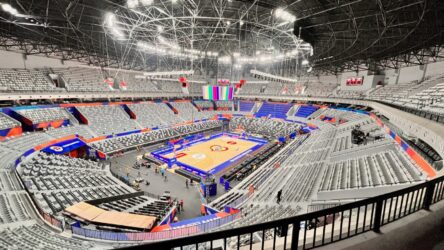
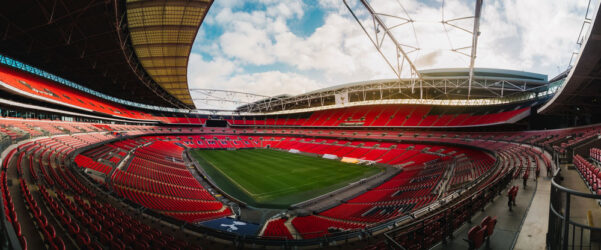
In a world where carbon footprints are scrutinized as closely as team stats, the stadium experience is evolving. From LEED certifications to FSC-approved finishes, the sports and entertainment industries are embracing eco-conscious choices. And at the heart of this transformation? Seating-bleachers and individual fixed seats- an often-overlooked but massive component when it comes to design, cost, and environmental impact.
We’ll explore the key terms, innovations, and emerging trends that are defining the future of green stadiums and spotlight materials and manufacturing methods that score big for both fans and the planet.
The Evolution of Sustainable Stadium Seating
Imagine this: a stadium filled with 70,000 people. That’s 70,000 seats. Now imagine each one built from virgin plastic or non-renewable metal. The environmental toll? Immense. Now swap that image for recycled aluminum and plastic, low-emission coatings, and ethically sourced wood. Suddenly, each seat becomes a step toward a cleaner, greener future.
Let’s explore plastic recycling: What Is the “Bath” in Plastic Recycling?
The bath refers to a washing stage—usually a large tank or series of tanks. Cleaning processes are used in plastic recycling to purify plastic fragments. This bath often contains water, detergents, or chemical agents depending on the plastic type and level of contamination.
Here’s a step-by-step overview:
1. Sorting-Plastic is first sorted by material type—such as PET or HDPE—before the washing process begins.
2. Shredding-Shredding plastic into fragments boosts surface exposure, making it easier to wash thoroughly.
3. Washing Bath
4. Rinsing and Drying-After the bath, the plastic is rinsed with clean water and dried—now ready for melting or pelletizing.
Over the last two decades, the rise of the LEED (Leadership in Energy and Environmental Design) certification system has pushed the construction world—including sports facilities—toward higher environmental standards. A LEED-certified stadium isn’t just a box to tick; it’s a benchmark for sustainability.
Why is seating so central to this shift? Simple: quantity and visibility. Stadium seats are everywhere—millions across the globe. They’re made of energy-intensive materials and often replaced every few years due to wear, design upgrades, or sponsor rebranding. Transitioning to sustainable materials here has exponential impact.
Recycled Aluminum: Lightweight, Durable, and Eco-Conscious
Let’s talk metal. Aluminum, in particular in bleachers, has long been a favorite for stadium seating—and with good reason. It’s strong, lightweight, corrosion-resistant, and versatile. But traditional aluminum production? It’s a carbon monster.
Enter recycled aluminum. Producing aluminum from recycled scrap requires 95% less energy compared to making it from raw bauxite ore. That’s not just a green bonus—it’s a game-changer. Many modern stadiums now opt for bleachers seating components made from post-consumer or post-industrial aluminum, reducing their overall environmental impact dramatically. Recycled aluminum planks sourced from used bleachers are available through Preferred Seating.
Think of a closed-loop system: old seats, soda cans, or construction scrap are melted down and reborn as sleek new seating. This is sustainability at its finest—preserving resources while reducing emissions.
Fun fact: Some manufacturers are even working with local scrap yards to minimize transport emissions, making the process hyper-local and even more LEED-friendly.
FSC-Certified Wood: A Natural Touch With Ethical Roots
Metal isn’t the only material making waves in eco-conscious stadiums. Wood—especially FSC-certified wood—is enjoying a renaissance. For venues looking to add warmth and natural beauty to VIP boxes, suites, or specialty areas, responsibly sourced wood is the go-to.
Wood products with FSC certification come from forests that are carefully managed to meet high standards of environmental care, social responsibility, and economic sustainability. It’s not just about planting a tree for every one cut down; it’s about maintaining biodiversity, protecting indigenous rights, and ensuring long-term forest health.
FSC-certified wood also plays nicely with LEED standards, contributing points toward certification goals. Incorporating this kind of material into stadium seating doesn’t just look good—it tells fans a powerful story about values and vision.
Now imagine a premium seating area with FSC wood benches, each one labeled with its origin. That kind of transparency and traceability doesn’t just build trust—it builds loyalty.
Low-Emission Coatings and Non-Toxic Finishes
Using sustainable core materials is not enough. What goes on top of those materials matters just as much. Enter: low-emission coatings.
Many older stadiums still use finishes that emit volatile organic compounds (VOCs), which contribute to indoor air pollution and long-term health risks. Today’s best-in-class seating manufacturers are ditching these harmful chemicals for water-based or powder coatings that significantly reduce emissions.
These low-emission coatings don’t just benefit the planet—they improve safety and air quality for fans, staff, and athletes. From anti-microbial powder coats to UV-resistant finishes, eco-conscious options now outperform their toxic predecessors.
And here’s the kicker: low-VOC coatings, such as powder coating for fixed seating stanchions, are typically more durable, meaning seating lasts longer and requires fewer replacements—another big win for sustainability.
Manufacturing Practices That Match the Message
Even the greenest material can lose its luster if manufactured irresponsibly. That’s why the best stadium seating companies go all-in on sustainable production practices. Preferred Seating offers products manufactured with the following criteria.
We’re talking about:
- Solar-powered factories
- Rainwater harvesting for cooling systems
- Zero-waste policies
- Local sourcing to reduce shipping emissions
Some seating manufacturers even offer product take-back programs, recycling or refurbishing old seats into new components—extending the lifecycle of materials in a way that’s circular, not linear.
Additionally, digital manufacturing technologies like 3D modeling and precision cutting reduce excess material waste and allow for faster, cleaner assembly.
If you’re aiming for a LEED-certified stadium, these kinds of processes are invaluable. They don’t just help meet certification benchmarks—they tell fans, players, and partners that you’re serious about sustainability.
Sample LEED-Friendly Spec Sheet (Based on UFGS 12 61 13)
From the Unified Facilities Guide Specification (UFGS 12 61 13)—used by USACE/NAVFAC—the following guidelines ensure LEED compliance:
- Indoor Air Quality Certification: Seating products must meet UL1098, GREENGUARD Gold, or Indoor Advantage Gold VOC standards.
- Low-Emitting Materials: Fabrics, composite wood, and finishes (including powder coatings) require CDPH Section 01350 compliance.
- Powder-Coated Metal Finish: All exposed steel/cast-iron components must be finished with powder coat. This ensures durable appearance and zero-VOC emissions.
This spec sheet is ideal for LEED credit categories like:
- EQc: Low-Emitting Materials
- MRc: Building Product Disclosure
- Sourcing of Raw Materials (when using recycled-content steel)
🧩 Key Spec Highlights (Combined)
| Specification Element | LEED Alignment |
| Powder coat finish on all metal parts | Zero-VOC finish, durability |
| Pre-treatment & oven curing | Ensures quality and long life |
| Indoor air-quality certified components | EQc Low-Emitting Materials |
| Use of recycled-content steel | MRc Material Disclosure & Optimization |
| Color sample approval | Quality control, aesthetic consistency |
Why It Matters: The Fan Experience Meets Environmental Responsibility
Now, you might be wondering: Does anyone really notice? Does the average fan care what their seat is made of?
More than you think.
In a time when consumers are increasingly conscious of the environmental impact of everything—from the shoes they wear to the cars they drive—it only makes sense that their expectations extend to public spaces like stadiums.
Promoting recycled and sustainable materials isn’t just good PR—it’s a real value-add. Environmentally aware fans value openness and prefer to support venues that reflect their principles. Meanwhile, sponsors and corporate partners love associating their brands with LEED-certified spaces and visible green initiatives.
Even more importantly, it sets a precedent. When one stadium leads the way with green seating, others follow. And in this competitive industry, doing the right thing often becomes the smartest business decision, too.
Final Whistle: The Future Is Green—and Comfortable
So, what’s the takeaway here? That every seat matters. Literally.
The move toward green stadiums is not driven by trends or superficial branding—it’s focused on genuine, measurable progress. Whether it’s using recycled aluminum, FSC-certified wood, or low-emission coatings, today’s stadium designers and seating manufacturers have the tools—and responsibility—to make sustainability a core part of the fan experience.
From environmental impact to brand image, every bolt, bracket, and finish can send a message: that we care about the future as much as the game in front of us.
So the next time you find your seat at a game, take a moment to look around. You might be sitting on something far more revolutionary than you think.