Smart Spaces: Integrating Technology with Fixed Seating Design in Modern Venues

Whether you’re planning a new build or renovating an existing space, understanding how to marry integrated technology with high-quality seating design is becoming not just a luxury—but a necessity. Let’s take a closer look at how venues across the world are turning traditional auditorium seating and theater seating into multifunctional, interactive, and efficient seating systems.
The New Standard: Why Technology Belongs in Fixed Seating
For years, fixed seating was just that—fixed in place, and fixed in function. A row of static chairs with maybe a cup holder if you were lucky. Modern seating has transformed into a vastly different user experience.
Audiences expect more. Patrons want to charge their devices, enjoy better sightlines, hear crystal-clear sound, and engage with digital experiences without leaving their seat. That’s where integrated technology steps in—quietly but powerfully upgrading the seating design from simple functionality to immersive experience.

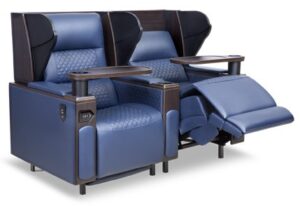
A smart seat in the context of fixed seating (like in stadiums, theaters, or auditoriums) refers to a seat that is equipped with integrated technology to enhance user experience, improve facility management, or both. Unlike traditional fixed seating, smart seats are designed to interact with people or systems through sensors, connectivity, or automation.
Here’s what defines a smart seat:
🧠 Key Features of Smart Seating
- Detect occupancy (e.g., someone is sitting there or not)
- Monitor weight distribution or movement for comfort adjustments
- Collect data on seat occupancy to guide maintenance and upkeep schedules.
- Connectivity to Apps or Venue Systems
- Guests can use a smartphone app synced with their seat to navigate to their location.
- Sync with displays or personal devices for replays, captions, or content
- Let attendees place concession or gift shop orders straight from their seat.
- Adjustable Features
- Some smart seats can adjust firmness, temperature, or recline level automatically based on user profile or settings
- Common in VIP sections, cinemas, or corporate conference venues
- Facility Management Integration
- Helps venue operators understand which seats are used most
- Real-time data for crowd control, energy usage, or maintenance

🏟️ Where You Might Find Smart Seats
- Stadiums: Seats that light up for easier locating or sync with game content
- Auditoriums: Track attendance or adjust comfort levels for different events
- Theaters & Cinemas: Offer recline, heating, and cupholder charging ports
- Corporate / Conference Halls: Auto-adjust to user preferences via RFID or app login
🎯 Why It Matters
Smart seats elevate fixed seating from “just a chair” to part of a connected, data-driven environment that enhances the comfort, safety, and experience for users, while making management more efficient and informed.
Smart Features, Smarter Design: Key Technologies Being Integrated
 So what exactly can you incorporate into your fixed seating layout to make it smarter, more efficient, and more future-ready? Let’s break it down:
In Stadiums: App-Synced Seats
- “App-synced” means the seat communicates with your smartphone through a venue app.
- It can:
- Guide you to your seat using digital maps or lighting indicators.
- View in-game replays directly on your smartphone from your seat
- Possibly allow food or merchandise ordering from your seat.
✅Purpose: Improves convenience and fan engagement.
🎭 In Auditoriums or Theaters: Smart Seating
- Embedded sensors inside seats might do things like:
- Track attendance for security or analytics (e.g., for schools or events).
- Detect body pressure to adjust lumbar support or seat temperature.
- Signal when a seat is occupied or empty in real time.
✅ Purpose: Enhances comfort, improves crowd management, and supports facility operations.
🎯 The Big Idea: A New Standard for Fixed Seating
Instead of just being places to sit, fixed seating is evolving into smart infrastructure—playing an active role in:
- Visitor guidance and safety
- Personalized comfort
- Data collection for venue managers
- Integration with entertainment systems

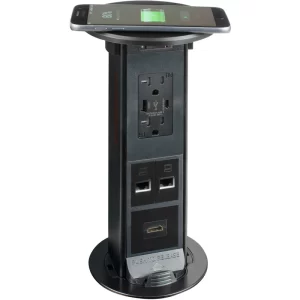
1. Power & Charging Stations
Armrests and seatbacks now often feature built-in USB and power outlets. This addition is a huge win for conference halls, lecture theaters, and modern church sanctuaries.
2. Digital Seat Numbering & Lighting
Gone are the days of struggling to read seat numbers in a darkened theater. LED seat indicators and aisle path lighting are low-power, high-impact upgrades.
3. Built-In Audio Features
Certain high-tech auditorium seating options feature built-in speakers for translation, hearing aid support, and more.
4. Environment & Climate Sensors
Modern venues are even experimenting with seats that track temperature and usage data to regulate HVAC systems more efficiently.
5. Durability-Integrated Materials
Technology isn’t just wires and screens—it’s in the materials, too. Antimicrobial fabrics, anti-scratch coatings, and sound-dampening finishes all play a role in smarter seating design.
These features are not just about luxury—they’re about longevity, accessibility, and intelligent use of resources.
Balancing Aesthetics and Function in Seating Design

Designing fixed seating that meets both aesthetic and technological goals requires coordination between architects, designers, engineers, and AV consultants. Sightlines still matter. Comfort remains critical. But so does housing wiring, protecting components from wear and tear, and allowing for future upgrades.
When it comes to theater seating proper spacing is a priority. How do you install a USB port in a tight layout without creating a tripping hazard or compromising seat comfort? That’s where modular units, under-seat raceways, and pop-up tech panels shine.
Meanwhile, in auditorium seating for schools or civic centers, materials need to be both cost-effective and durable. Smart doesn’t always mean expensive—it just means forward-thinking.
The ROI of Innovation: Why Technology Pays Off
Is it worth the investment? Absolutely. Here’s why integrating tech with fixed seating delivers returns:
- Energy Efficiency: Automated lighting and occupancy sensors reduce utility bills.
- Operational Savings: Smart seats can report maintenance needs before they become costly problems.
- Increased Revenue: Premium seating with built-in features can command higher ticket prices.
- Enhanced Experience: Patrons are more likely to return—and recommend—venues that offer convenience and comfort.
A stadium with app-controlled seat access and dynamic lighting doesn’t just feel modern—it is modern. And venues that invest in these technologies now will find themselves better prepared for evolving expectations.
Common Pitfalls & How to Avoid Them

- Overcomplication: Just because a feature exists doesn’t mean your venue needs it.
- Ignoring Maintenance: Choose components that are durable and easy to repair or replace.
- Lack of Future-Proofing: Make sure wiring and power access are accessible for future upgrades.
- Neglecting Accessibility: Always ensure tech enhancements comply with ADA and local accessibility codes.
Careful planning ensures that your auditorium seating or theater seating doesn’t just wow on opening day—but continues to perform for years.
What the Future Holds for Fixed Seating
As venues strive to become more interactive, personalized, and energy-conscious, fixed seating will continue to evolve. We’re moving toward spaces that “know” their audience—seats that light up, respond to voice commands, or connect to wearable tech.
Imagine auditorium seating that recognizes attendees as they sit down, adjusts comfort settings, and syncs with event apps. Or theater seating that lets patrons order concessions with a tap on their armrest. It sounds futuristic—but it’s already in development.
By combining seating design with integrated technology, we’re not just accommodating people. We’re engaging them.
Final Thoughts: Tech as a Tool for Connection
The best seating doesn’t just look good or feel comfortable—it enhances the entire experience. It helps people connect more deeply with what’s happening on stage, on the field, or at the podium.
By reimagining fixed seating as a platform for innovation—not just a row of chairs—we can design spaces that are as intelligent as they are inviting.
Whether you’re building a performing arts center, renovating a university auditorium, or upgrading a church sanctuary, the right blend of integrated technology and timeless seating design will pay dividends—for your guests, your team, and your mission.
After all, great seating doesn’t just hold people. It holds their attention.