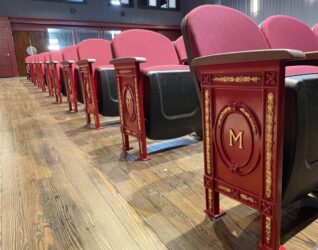
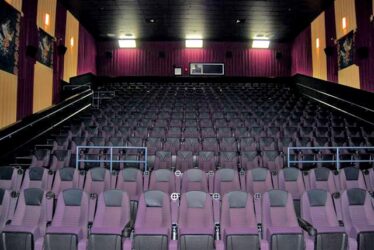
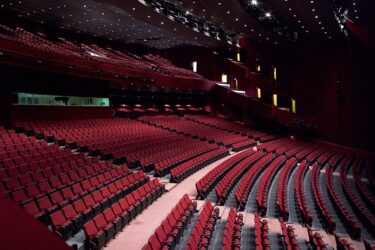
So what makes fixed seating such an integral part of venues like auditorium environments, stadium seating arrangements, or theater seat layouts? In this guide, we’ll unpack the must-know terms, materials, and considerations to help planners, architects, and managers make smart, long-term decisions—especially when selecting permanent seating options that are built to last.
What Is Fixed Seating and Why It Matters
Fixed seating describes any type of seating that’s immovably installed onto a surface or structural component of a space. Whether it’s used in auditoriums for universities, theaters for dramatic arts, or stadiums for cheering fans, the design ensures order, uniformity, and optimal traffic flow.
Unlike movable chairs, permanent seating supports crowd management and clear sightlines. Think of it as a built-in guide—directing guests effortlessly while maintaining the architectural rhythm of the space. And that’s no small feat.
Here’s the thing: one size definitely doesn’t fit all. The type of fixed seating you choose affects comfort, safety, aesthetics, and compliance. Make the wrong call, and you’ll end up with worn-out cushions, frustrated patrons, and costly replacements. Make the right one, and you’ll set the stage for decades of seamless operation. For more information about auditorium, theater and stadium design and seating.
The Building Blocks: Materials That Make or Break Fixed Seating
Choosing the right materials for your fixed seating isn’t just about looks. It’s about longevity, comfort, cost, and function. Let’s break down the common options:
Metals

Wood
Warm and timeless, hardwoods like maple or oak bring elegance to auditorium seating and historic renovations. Wood pairs beautifully with plush upholstery, adding sophistication to theater seats or worship environments.
Plastics
For open-air venues and stadium seating, injection-molded plastic is king. UV-treated and easy to maintain, this option is a practical favorite for venues seeking weather resistance and sustainability in their fixed seating solutions.
Upholstery Fabrics
In auditorium seating, fabrics are where style meets comfort. Choose materials that offer fire resistance, stain protection, and cushioning. Vinyls and antimicrobial fabrics are great in high-use permanent seating areas like schools or government chambers.
Sustainable & LEED-Friendly Options
Eco-conscious facilities are turning toward recycled aluminum and sustainable wood. These materials help venues meet green building goals while enhancing the visual appeal of their fixed seating. Whether for stadium seating or auditorium seating, sustainability is no longer a bonus—it’s a standard.
Mounting Systems: Stability, Function, and Flexibility
How you anchor your permanent seating affects more than security—it changes how guests experience the space.
Floor-Mounted Seating
The most common type in auditorium seating and theater seating, these seats bolt directly to a flat surface. They’re rock solid but limit flexibility. Cleaning can be tricky, especially in large stadium seating environments.
Beam-Mounted Systems
Ideal for stadium seating or flexible layouts, this method attaches seats to a shared beam. It allows for faster installation and better under-seat cleaning—perfect for venues that prioritize hygiene and quick turnover.
Riser-Mounted Seating
Found in lecture halls and places of worship, riser-mounted options are anchored into tiered platforms. These are excellent for visibility and acoustics and often used in modern auditorium seat designs.
Each mounting style must factor in ADA compliance, emergency egress, and long-term venue goals. It’s not just about how your fixed seating looks—it’s about how it performs under pressure.
Maintenance: The Lifeline of Long-Term Seating Success

Daily and Weekly Cleaning
Auditorium seats with fabric requires vacuuming and spot cleaning. For stadium seating, plastic can be wiped down quickly. Wood in theater seating benefits from polishing and dusting.
Inspections
Routine checks are critical. Look for loose bolts, rust, upholstery tears, or joint fatigue—especially in high-traffic fixed seating zones.
Preventative Measures
Powder-coated metal, antimicrobial cushions, and protective caps are a must in stadium seats and other busy venues. These measures extend the life of your permanent seating investments.
Refurbishment and Upgrades
Instead of replacing entire rows, why not upgrade? Reupholster those vintage theater seating rows or refinish the wood in your auditorium seats. It’s economical and sustainable.
Smart Seating Technology
The newest frontier in fixed seating includes USB ports, occupancy sensors, and even app-based integration. For example, fans in stadium seating can order snacks from their seat, while lecture halls can track attendance via smart tags embedded in auditorium seating.
Compliance and Safety: The Rules That Keep People Safe

ADA Accessibility
Whether you’re installing stadium seating or theater seating, accessibility is the law. Provide designated spaces, companion seats, and clear pathways for individuals using mobility devices.
Building Codes and IBC Standards
Row spacing, flame-retardant materials, and secure mounting all fall under the IBC. These rules protect guests in emergencies and ensure your fixed seating doesn’t become a hazard.
Fire Safety
Materials in auditorium seating and permanent seating must meet fire regulations. Clear walkways and accessible exits are essential during emergency evacuations..
Never skip the code consultation phase—it’s better to prevent than to pay fines or worse, face legal trouble.
Conclusion: Seating That Serves a Bigger Purpose

If you’re renovating a vintage performance hall, constructing a sprawling sports venue, or updating your school’s lecture rooms, consider this: The seats you choose isn’t just furniture—it’s infrastructure. Choose wisely. Maintain carefully. Because in the world of fixed seating, comfort and durability are just the beginning. Contact a seating expert like Preferred Seating for a free consultation today.