When it comes to designing a sacred space that feels both reverent and welcoming, few elements are as crucial as the worship seating. From the moment a congregant enters the sanctuary, the seating tells a story. Is this a place of deep-rooted tradition, or one that embraces modern comfort? For many church leaders, the decision comes down to two time-honored choices: padded church seating or wooden church pews.
While both have their merits, choosing between them isn’t as simple as soft vs. firm. It’s about balancing beauty, tradition, comfort, and stewardship. In this article, we’ll unpack the terminology, examine the pros and cons of each option, and help you decide which best suits your congregation’s needs, your church’s architecture, and your vision for an uplifting worship experience.
The Legacy and Appeal of Wooden Church Pews
A Testament to Craftsmanship and Heritage
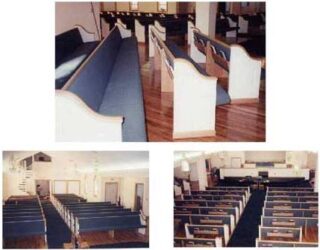
Wooden church pews are more than just furniture. They’re timeless fixtures that carry the spiritual echoes of generations past. Handcrafted from oak, maple, or cherry, these benches reflect time-honored craftsmanship and are built to last. For churches that treasure their architectural lineage, wooden church pews are often a natural fit.
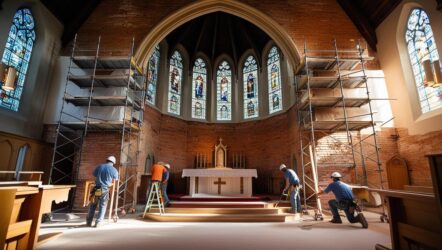
In many historic churches, sanctuary church pews serve as both functional and symbolic components. They complement stained glass windows, vaulted ceilings, and traditional altars. They whisper a story of continuity—of worship that spans centuries.
Durability That Stands the Test of Time
Another standout trait of wooden church pews is their durability. Properly maintained, they can serve a congregation for decades, if not centuries. With minimal maintenance, a well-built pew resists sagging, warping, and fading, even under heavy weekly use.
Of course, they aren’t without drawbacks. Wooden pews can be less forgiving during long services, especially for elderly parishioners or those with mobility issues. While some churches add padded seat cushions, the experience is often firmer and more traditional.
The Rise of Padded Church Seating: Comfort Meets Versatility
Designed for the Modern Worship Experience

Stackable chairs that are portable offer flexibility that wooden church pews simply can’t. They’re especially practical for multipurpose worship spaces that host weddings, community meetings, or musical performances. Move them around. Store them. Reconfigure as needed.
A Sanctuary of Comfort
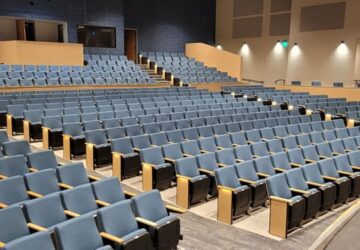
Let’s be honest: comfort matters. Worship services can stretch into hours during holidays, revivals, or special events. Padded auditorium or portable church seating helps reduce discomfort by offering lumbar support, soft cushions, and breathable fabrics. This is especially valuable for seniors, families with young children, and guests who are unfamiliar with traditional church seating.
Additionally, padded seating absorbs sound better than hard wood, contributing to a quieter, more intimate worship atmosphere—ideal for churches focused on acoustics and multimedia presentations.
Aesthetics and Functionality: Marrying Form with Purpose
Matching Seating with Church Design

The choice between padded seats and wooden church pews isn’t just about comfort—it’s also about cohesion. The furniture should harmonize with your church’s architecture. Sanctuary church pews provide a sense of tradition and grace, especially suited to Gothic or Romanesque architectural styles. For modern interiors, clean-lined fixed auditorium or portable church seating can feel more appropriate.
Even the fabrics of padded chairs can be customized to match color palettes, liturgical seasons, or brand identity. The same applies to the type of wood used in pews—wood stains can range from light maple to deep mahogany.
Function Over Flash
Functionality also plays a key role. Consider aisle spacing, ADA accessibility, choir configurations, and emergency egress. Worship seating should serve the logistical flow of your building, not disrupt it. For churches with frequent events or changing layouts, portable seats offer mobility. For those who prioritize uniformity and rooted tradition, wooden church pews are ideal.
Budget, Maintenance, and Longevity: Thinking Long-Term
Initial Investment vs. Lifecycle Value
When budgeting for church furniture, cost considerations go beyond the initial purchase. While fixed auditorium church seating can sometimes be more affordable upfront, it may need to be replaced more frequently due to fabric wear, foam compression, or style updates.
In contrast, wooden church pews require a larger initial investment but often deliver greater long-term value. Many churches view them as permanent fixtures, passed down through generations with minor refinishing.
Maintenance Realities

Padded seats whether fixed auditorium and or portable require regular vacuuming, spot cleaning, and eventually reupholstering. In high-humidity areas, mildew can be a concern. Wood, on the other hand, requires occasional polishing, tightening of joints, and inspections for cracks or pests.
Churches must evaluate their resources: Do you have a maintenance team or volunteers who can manage upkeep? Do you have funds for periodic repairs or replacements?
Understanding Congregational Needs: A People-First Approach
Who Are You Designing For?
Your worship seating must serve your people. That includes seniors with back issues, parents with children, newcomers exploring the faith, and lifelong members who expect a certain standard of tradition.
Survey your congregation. Observe how they interact with your current seating. Are people shifting uncomfortably during services? Do some members bring their own cushions? Are events under-attended due to space constraints or discomfort?
These are subtle but important cues. You’re not just buying furniture. You’re shaping how your community experiences faith, fellowship, and comfort.
Flexibility for a Growing Community
As congregations evolve, so should their furnishings. Portable church chairs allow for easy reconfiguration. For growing churches or satellite campuses, these seats are easy to transport, replace, or expand.
Though less adaptable, wooden church pews convey a strong visual sense of stability and lasting presence—a steadying influence in a fast-moving world.
Final Thoughts: Blending Comfort, Tradition, and Vision

In the end, choosing between fixed auditorium or portable church seating and wooden church pews isn’t about which is better—it’s about which is best for your church. Both options carry deep meaning and offer practical benefits. It comes down to the values you prioritize: tradition or innovation, permanence or flexibility, aesthetic unity or functional diversity.
Take stock of your budget, your building, and your people. Talk to your leadership team. Walk through your sanctuary and visualize what kind of worship seating supports your church’s future.
Whether you lean toward the timeless craftsmanship of wooden church pews or the modern comfort of padded church seating, let your choice reflect the spirit of your community and the sacredness of the space it occupies. Contact Preferred Seating to help you design your worship seating with a free consultation.