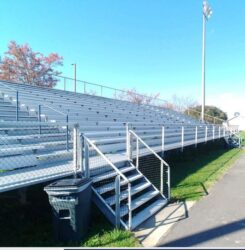
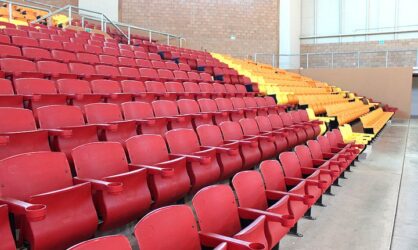
So, what’s fueling this growth? Why does fixed seating remain the king of stadium configurations? And what should venue owners and designers consider as they plan for the future? Let’s dive into the key considerations that shape this thriving industry.
Understanding the Market Growth Drivers

North America leads the charge thanks to consistent renovation cycles, college athletics programs, and professional sports leagues that draw in millions of attendees annually. Cities competing to host global events like the FIFA World Cup or the Olympics only add fuel to the fire.
In this climate, fixed seating solutions have proven their worth by providing efficient layouts, enhanced sightlines, and a sense of structure. United States companies have capitalized on these trends, offering customizable and durable options for every budget and venue size.
Why Fixed Seating Still Reigns Supreme

For instance, the strategic row spacing in a modern stadium ensures that fans have enough legroom and that foot traffic doesn’t disrupt the viewing experience. Seating suppliers now offer stadium ergonomic designs and technology armrest integrations, and even embedded tech like USB charging ports and seat sensors.
The appeal of fixed seating is its ability to handle large crowds efficiently while delivering comfort and durability. It remains the gold standard in venues prioritizing performance and order, and the continued investment into its innovation guarantees its place in the future.
Regional Context: Why North America Leads
Why does North America dominate 35% of the global market? A few key factors set the region apart:
- High Event Frequency: From sports to concerts, North America’s packed event calendar drives constant upgrades in stadium seating.
- Public and Private Funding: Federal, state, and corporate funding enables the construction of new arenas and the renovation of older ones.
- Fan Expectations: The modern fan expects more than a game; they expect an experience. Fixed seating helps deliver that.
Across the country stadium seating manufacturers have responded by offering tailored solutions to meet these expectations. Whether it’s ADA-compliant rows, luxury VIP sections, or sustainable materials, the U.S. market is a laboratory of seating innovation.
Design Innovations in Fixed Stadium Seating

- Modular Components: While fixed in place, these seats can be easily upgraded or reconfigured.
- Smart Seating: Integrated sensors track occupancy and cleanliness needs.
- Sustainability: Recycled aluminum frames, low-VOC coatings, and eco-friendly fabrics.
U.S. seating suppliers have been at the forefront, offering modular stadium seating solutions that blend traditional design with modern innovation. Their models demonstrate how fixed seating doesn’t have to mean inflexible; it can mean intelligently planned and future-ready.
Challenges and Opportunities in the Market
Although the stadium seating market continues to expand, it still encounters several challenges.
- Rising Material Costs
- Supply Chain Disruptions
- Labor Shortages
Still, the opportunities far outweigh the hurdles. With urban revitalization projects, expanded sports leagues, and the growing popularity of hybrid events, demand for new stadium seating installations is only increasing. Fixed seating remains a preferred choice due to its durability and capacity management, and seating suppliers are stepping up to meet the challenge with scalable solutions.
Final Thoughts: Planning for the Future

If you’re in the business of stadiums or large venues, now is the time to invest in forward-thinking, fixed seating solutions. North America might hold 35% of the market today, but with the right strategy and design, your venue could be part of the next big wave of growth.