So here’s the question—should you go with traditional aluminum bleachers or invest in fixed individual seats? The answer isn’t one-size-fits-all. It depends on your venue’s size, budget, use case, and the kind of experience you want to offer.
This article breaks down everything you need to know to make a smart, informed choice between aluminum bleachers and individual seats—without getting lost in technical jargon. Whether you’re managing a high school athletic department, overseeing a municipal park upgrade, or designing a new community stadium, you’ll find insight here that matters.
Cost Considerations: What Are You Really Paying For?
Let’s get real—budget almost always leads the conversation, especially for schools and municipalities. When it comes to upfront costs, aluminum bleachers are the clear winner.
They’re lightweight, relatively easy to install, and you can seat a lot of people in a small footprint. That’s why you’ll see them lining high school football fields and public parks across the country. For venues that need to stretch every dollar, bleachers offer bang for the buck.
But that low cost comes with trade-offs.

However, what you pay more for up front might save you over time. Individual stadium seats typically require less crowd control staffing, offer longer durability, and can command higher ticket prices. Think premium experience. If your venue hosts concerts, semi-pro sports, or high-attendance events, individual seats might pay for themselves faster than you’d expect.
Safety & Compliance: Are You Meeting the Code?
Safety today isn’t merely a concern—it’s mandated by law. Whether you install aluminum bleachers or fixed stadium seating, your setup must comply with the International Building Code (IBC) and the Americans with Disabilities Act (ADA) which are commonly referred to as building and accessibility regulations.
Aluminum bleachers have come a long way, but older or DIY installations can lack guardrails, proper aisle spacing, or ADA accommodations. If your bleachers are more than 15 years old, it’s worth reviewing their compliance. Newer bleacher systems do include required safety features—non-skid surfaces, guardrails, and accessible platforms—but it’s on you to verify these during purchase and installation.

In venues where liability is a concern—think public schools, government-owned stadiums, or event venues—going with individual seats can significantly reduce risk. And that’s a form of protection you can’t afford to overlook.
Comfort & Fan Experience: Sit Like It Matters
Let’s imagine for a moment you’re attending your child’s championship game. It’s 80 degrees, the sun is blazing, and you’re parked on a hard aluminum bench for four hours. Not fun, right?
Now picture the same event, but this time you’re in a contoured seat, with a backrest and maybe even a cup holder. You’re watching the same game—but it feels like a completely different experience.
Comfort matters.
Aluminum bleachers offer maximum capacity—you can fit more people into less space. But they don’t offer much in the way of personal space or support. Spectators often bring cushions, blankets, or even their own folding chairs to compensate.
Fixed seats, especially padded or contoured ones, dramatically enhance the fan experience. This is especially true in multi-use venues or those trying to elevate their brand. They can also reduce complaints and improve attendance at longer events.
Here’s something else to consider: assigned seating is only possible with individual seats. That means better organization, better ticket tracking, and better security.
Still, if your audience is largely local, used to bleachers, and prefers affordability over frills, aluminum might be just fine. It’s all about matching the seat to the experience your venue aims to deliver.
Maintenance & Longevity: What Will It Cost You Over Time?

Bleachers are simple—but simplicity isn’t always low maintenance.
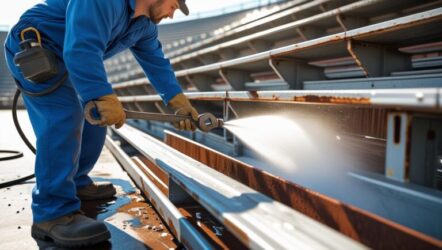
Aluminum doesn’t rust, which makes it ideal for outdoor stadium seating, but it can dent, bend, or become loose over time. Prolonged exposure to sunlight, humidity, and harsh weather conditions can cause fading and surface deterioration. The more moving parts (like fold-out steps or retractable features), the higher the potential for breakdowns.
Routine checks are essential: Are the planks secure? Are the supports sound? Is the structure wobbling?
Individual stadium seats tend to be made from UV-treated plastic, powder-coated steel, or molded polymer. These materials hold up well in both indoor and outdoor venues. Some high-end seats even feature anti-microbial coatings or drainage systems.
They’re often easier to keep clean and arranged properly. No more dealing with piles of debris under bench seating, or fans spilling popcorn that rolls down a long bleacher row.
In terms of lifespan, both options can last decades with proper maintenance. But fixed seats often retain their visual appeal longer, while bleachers show wear and tear faster—especially in high-traffic venues.
Flexibility & Installation: How Much Can You Customize?
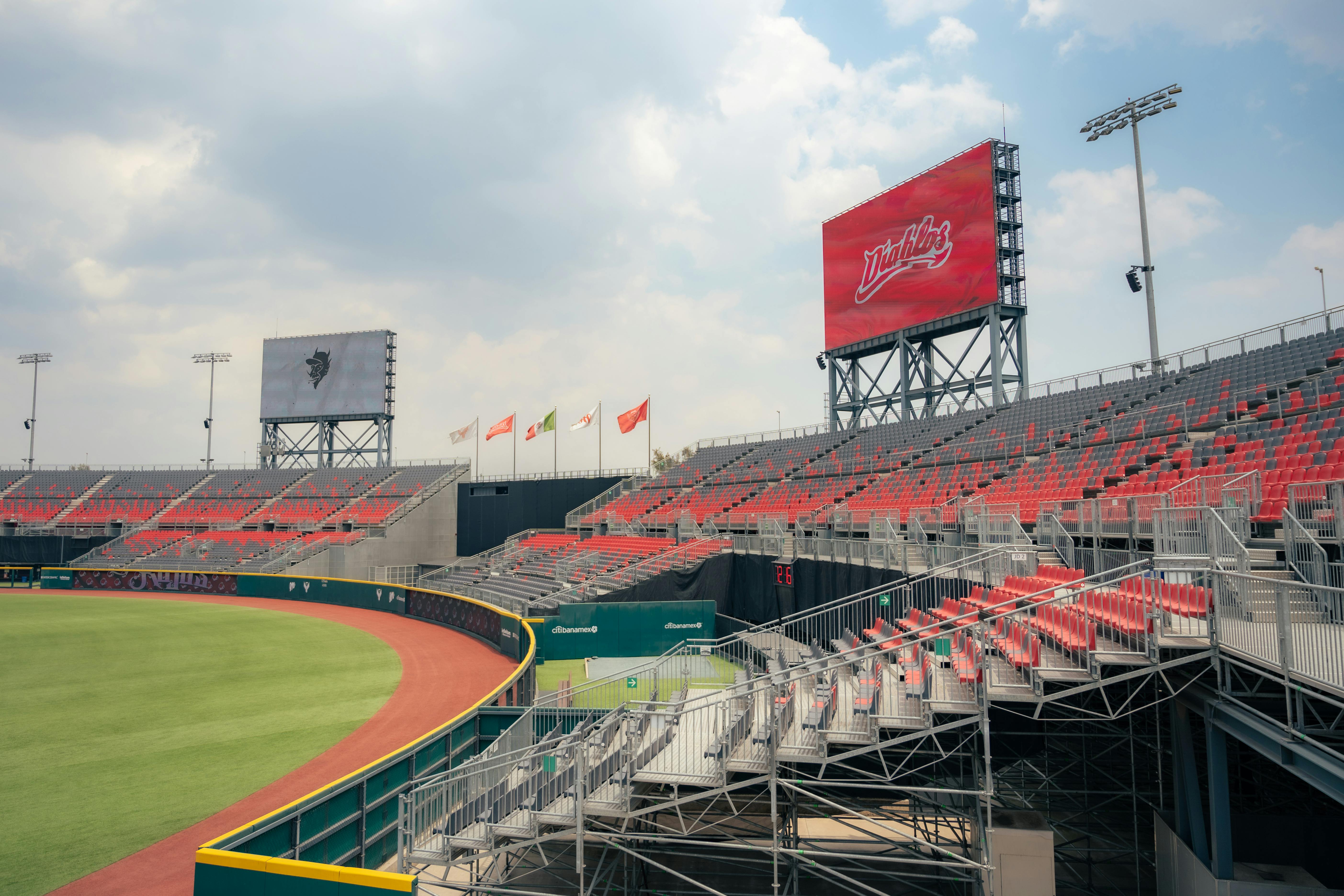

Customization is somewhat limited, though. You’re working with long benches, basic colors, and minimal branding opportunities.
Individual seats, on the other hand, are a blank canvas. Choose your colors, finishes, arm styles, cup holders, logos—even custom row lighting. If you’re trying to build a brand or create an atmosphere, fixed seats give you way more creative freedom.
Installation is more involved—concrete footers, anchors, precise spacing—but once in place, they add polish and prestige.
Making the Final Call: What Does Your Stadium Need?
Choosing between aluminum bleachers and individual seats isn’t just about aesthetics—it’s about function, safety, audience, and future growth.
If your goal is maximum capacity, low cost, and basic functionality, aluminum bleachers are an excellent option. They’re proven, practical, and easy to maintain.
But if you’re looking for elevated comfort, enhanced safety, and long-term brand building, individual seats give you more value over time.
And remember: you’re not locked into one or the other. Many modern stadiums use a hybrid approach—bleachers in general admission areas, fixed stadium seating in VIP or center-field sections. That way, you serve every type of spectator.
Final Thoughts: What Are You Really Investing In?
At the end of the day, you’re not just buying stadium seating. You’re investing in the experience people will have at your venue. You’re shaping how they remember the game, the concert, the graduation ceremony. You’re choosing between functional utility and lasting impression.
So yes, aluminum is cost-effective, and individual seats are premium—but the right choice is the one that aligns with your goals, your audience, and your long-term vision.