


Preserving Elegance: Case Studies in Historical Theatre Restoration and Seating Renovation
There’s something magical about stepping into a historical theatre. The velvet curtains, ornate moldings, and echo of applause from a bygone era transport you instantly. But behind that magic is a very real challenge: how do you honor the past while preparing these venues for the future? For many, the answer lies in thoughtful restoration—especially when it comes to replacing outdated theater chairs. This article explores the transformative power of seating renovation in historical theatres, diving into real-world case studies that show how a well-planned refurbishment can revive cultural icons for modern audiences. From Chicago to New Orleans to New York City, these renovations are more than cosmetic; they are testaments to community identity, architectural reverence, and the enduring role of Preferred Seating in keeping these landmarks alive.
Chicago Theatre Restoration
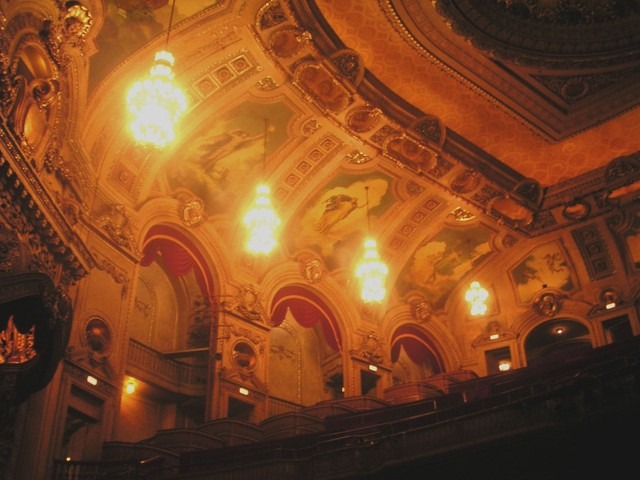
The Chicago Theatre, a legendary landmark since 1921, serves as a breathtaking example of a theatre restoration. Known for its French-Baroque interior and iconic neon marquee, the theatre nearly faced demolition in the early 1980s. Thanks to a $9 million restoration project, it was saved and reborn as one of the nation’s premier performance venues.
The Restoration Effort
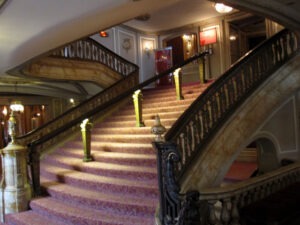
By the early 1980s, the Chicago Theatre was close to being lost for good. However, with the efforts of passionate preservationists, the theatre underwent a massive renovation. The restoration process focused on maintaining its historical charm while upgrading it for modern use. Notably, the re-carving of the plasterwork and grand staircase restoration allowed the venue to retain its French-Baroque aesthetic.
Refurbished Seating for a Modern Audience
A significant portion of the renovation budget—around $4.3 million—was dedicated to refurbishing the seating. The refurbished seating was carefully designed to honor the theatre’s original layout, blending comfort with authenticity. The seating arrangement aimed to preserve historical integrity while offering an enhanced guest experience for contemporary patrons.
A Venue Reborn
Reopened in 1986 with a performance by Frank Sinatra, the Chicago Theatre has since hosted countless world-class performances. It stands today as a gold standard in historical theatre restoration and seating renovation, preserving its grandeur for generations while offering modern amenities to meet today’s audience expectations.
- The Chicago Theatre official website The official website of the Chicago Theatre provides a comprehensive history of the venue, as well as a calendar of events and options for online booking, including theatre tours.
- Additional information can be found on the parent company’s website, Madison Square Garden Company Madison Square Garden Company .
- The Cinema Treasures website offers a more in-depth history and additional photos of the Chicago Theatre. has detailed history and further photos of the Chicago Theatre.
Images by Cinema Treasures users spectrum jeterga License under CC BY 4.0 Some history
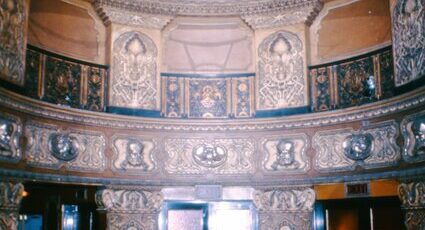
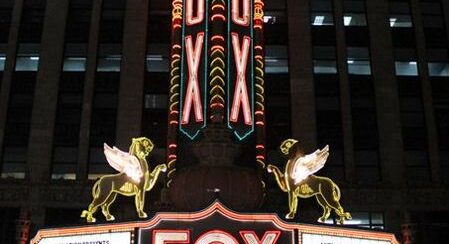
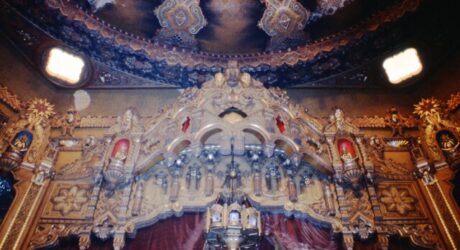
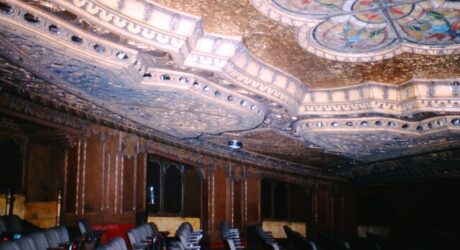
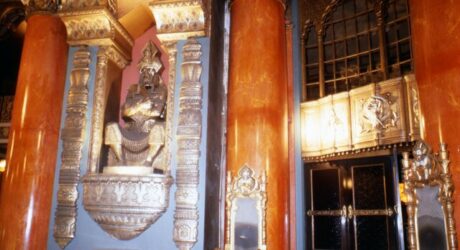
Case Study: Fox Theatre – Detroit, Michigan: A Majestic Theatre Restoration
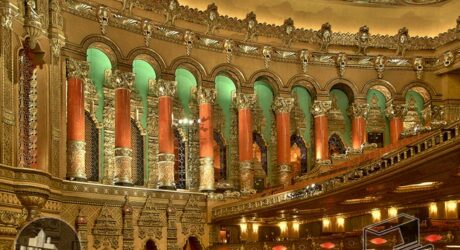
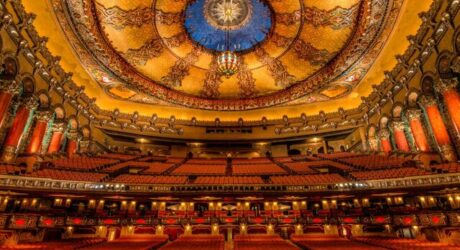
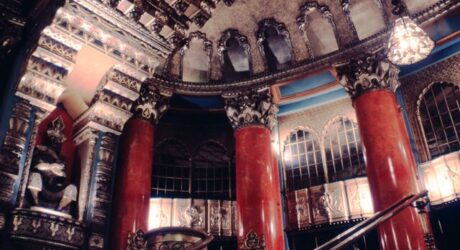
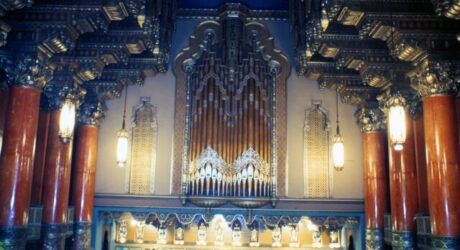
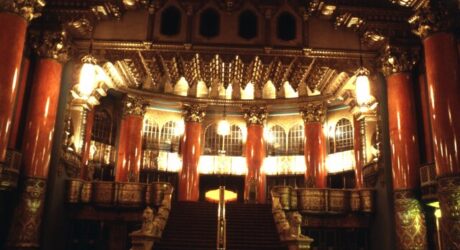
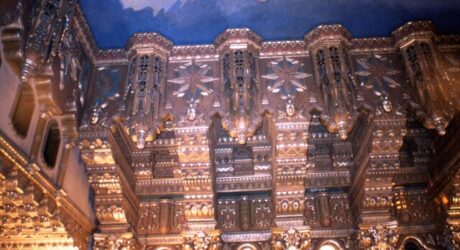
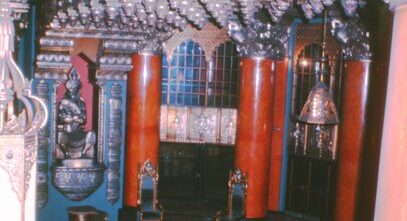
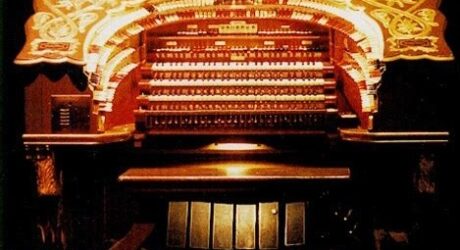
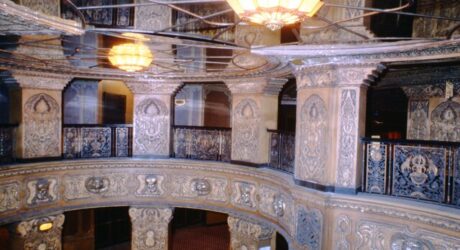
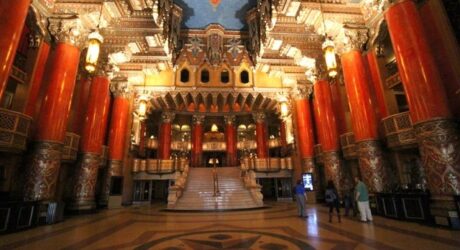
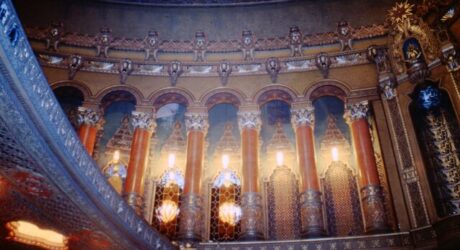
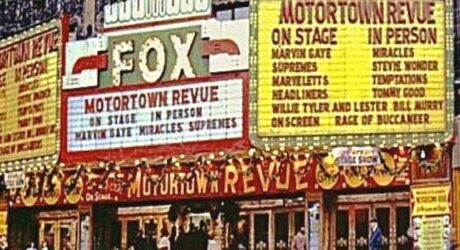
The Fox Theatre in Detroit, a true icon since its opening in 1928, stands as a testament to the power of theatre restoration. Famous for its breathtaking Egyptian Revival design, this movie palace was among the most magnificent. Thanks to a renovation in the 1980s, the Fox Theatre was transformed into one of the most beautiful restored theatres in the country.
Theatre Restoration and Renovation Efforts
The renovation focused on preserving the historical charm of the Fox Theatre while adapting it to meet the needs of modern audiences. Key elements like the ornate plasterwork, painted murals, and stained-glass windows were painstakingly restored. The aim was to retain the venue’s Egyptian-inspired design while ensuring it was ready for contemporary performances. This thoughtful restoration process ensured that the theatre’s rich history and unique aesthetic were honored.
Refurbished Seating for Modern Comfort
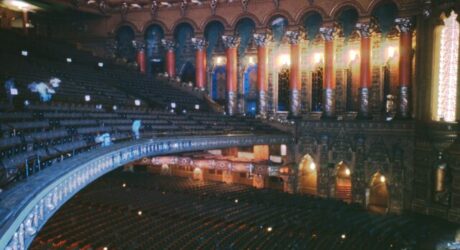
One of the standout aspects of the renovation was the refurbished seating. The original seats were updated with new upholstery, blending seamlessly with the theatre’s opulent design. The seating layout was restructured to enhance comfort, visibility, and the overall guest experience, all while preserving. This careful balance of modern comfort and historical integrity made the theatre a true masterpiece.
A Grand Reopening
The Fox Theatre reopened in 1988, with its restoration celebrated by a performance by Frank Sinatra. Today, it remains a premier venue for Broadway shows, concerts, and cultural events. The renovation of the Fox Theatre demonstrates the importance of theatre restoration in preserving history while adapting to modern demands.
Photos from Cinema Treasures website users mlive.com. stevenj waldopapnyk Kinospotter License under CC BY 4.0
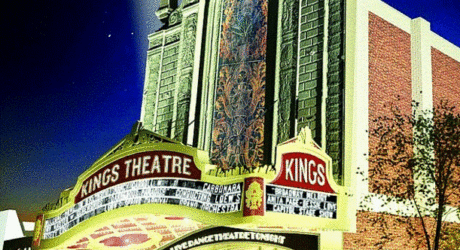
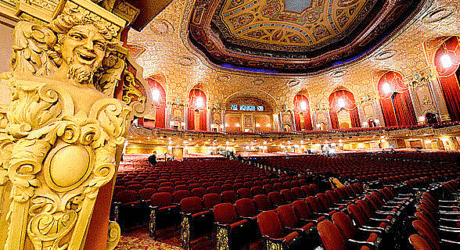
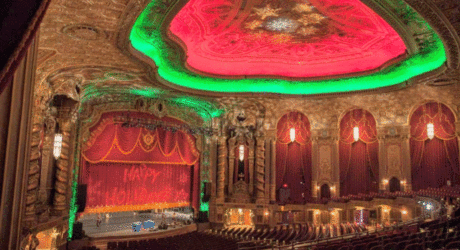

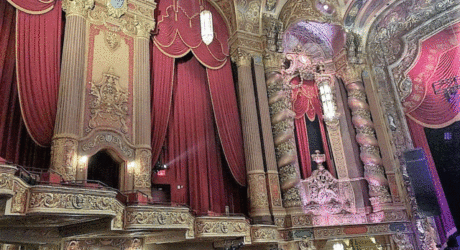
Case Study-Kings Theatre: Royal Treatment Through Theatre Restoration and Refurbished Seating
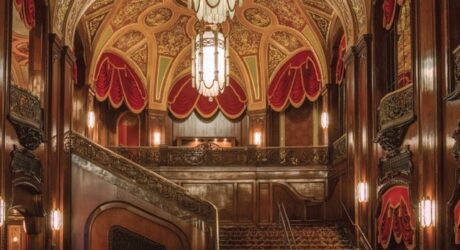
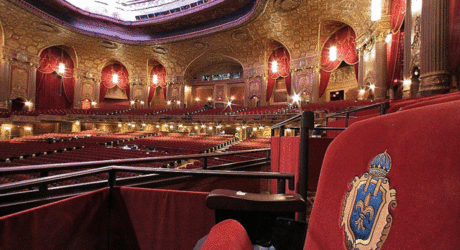
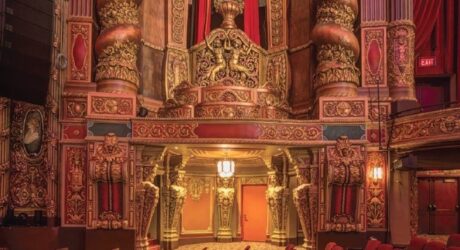
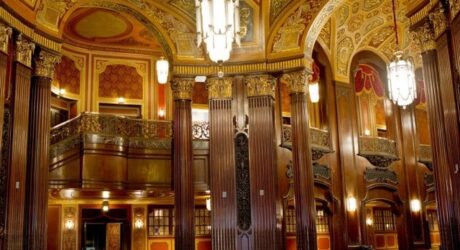
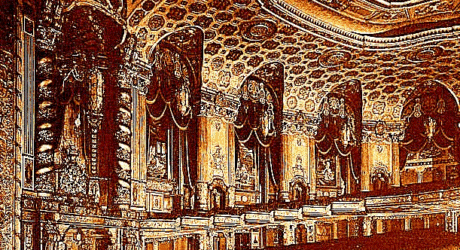
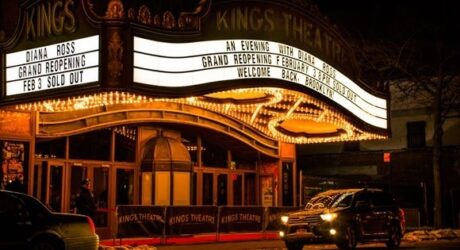
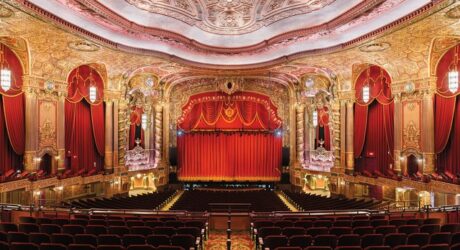
The Kings Theatre in Brooklyn, New York is a shining example of how theatre restoration can bring a cultural treasure back to life. The theatre first opened in 1929, but closed in 1977 and endured several years of deterioration. However, after a $95 million renovation in 2015, the Kings Theatre was reborn and now stands as one of the most beautifully restored venues in the country.
Seating Strategy: Comfort Meets History
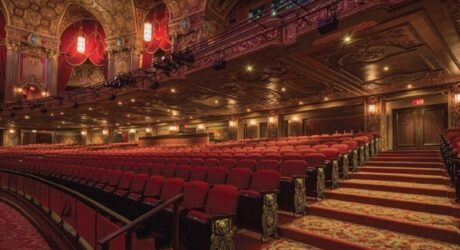
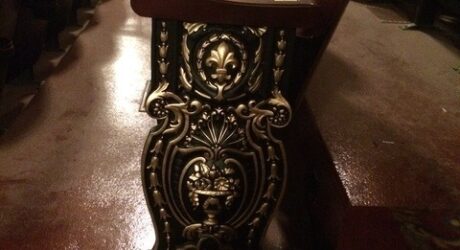
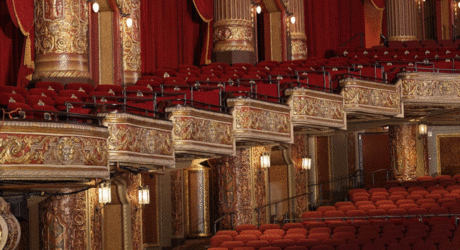
A significant part of the renovation involved the seating arrangement. The original seating layout was redesigned to improve visibility and legroom. This meant a reduction in capacity to 3,250 seats, allowing for more space and comfort for each guest. The goal was clear: create a modern experience while maintaining the venue’s historic charm. The introduction of refurbished seating — including chairs that mirrored the theatre’s original design — played a crucial role in ensuring comfort without compromising on authenticity.
Renovation: Preserving the Past, Embracing the Future
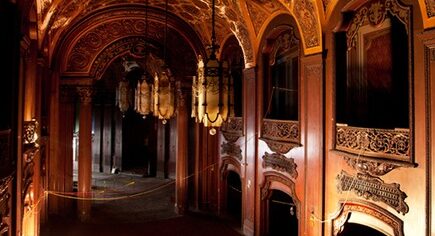
The renovation not only enhanced seating but also restored the intricate ornamentation that made the theatre iconic. The gilded ceilings, intricate plasterwork, and grand chandeliers were carefully brought back to their original splendor. The theatre restoration efforts brought a perfect blend of luxury and historical accuracy, ensuring that the theatre maintained its regal presence while offering all the comforts of a modern venue.
A Resplendent Venue for All
Today, Kings Theatre is a prime destination for world-class performances. Frequently cited as one of the most stunning restored theatres in the nation, it serves as a testament to how thoughtful renovation and seating upgrades can revive a historical gem. Kings Theatre stands as proof that with careful planning and respect for history, an old treasure can shine anew.
Photos by Cinema Treasures users of Comfortably Cool under License under CC BY 4.0
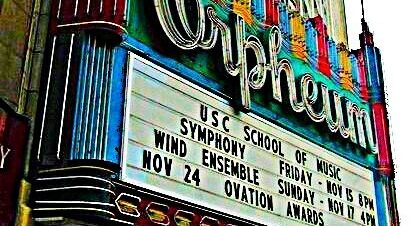
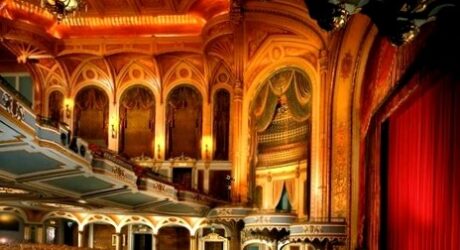
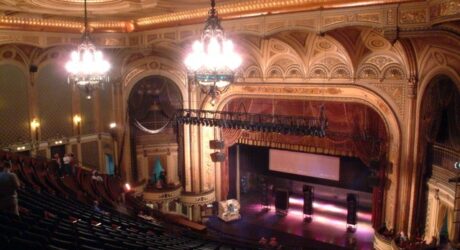
Case Study: The Orpheum Theatre – A Model of Theatre Restoration and Refurbished Seating
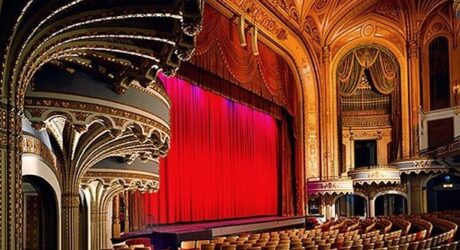
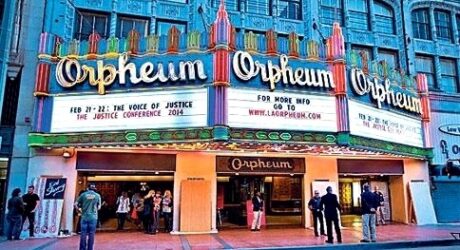
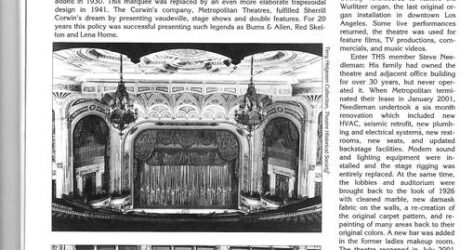
The Orpheum Theatre in Los Angeles, California is a remarkable example of how theatre restoration can preserve both historical charm and modern functionality. Built in 1926, this grand movie palace was originally home to silent films and vaudeville performances. Its Spanish Baroque architecture and ornate interiors made it one of the city’s most beloved landmarks. However, by the 1980s restoration efforts began, breathing new life into this historic venue, ensuring its legacy would continue for future generations.
Theatre Restoration Efforts: Reviving a Historical Gem
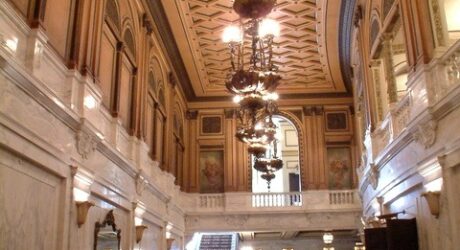
The restoration process of the Orpheum Theatre began in the late 1980s, led by the Los Angeles Historic Theatre Foundation. The aim was clear: to preserve the theatre’s unique architectural features while modernizing its facilities. The work focused on key elements like the grand lobby, intricate plasterwork, and the ornate painted ceiling. Every effort was made to stay true to the original Spanish Revival and Art Deco styles, ensuring that the theatre’s historical value was retained.
Particularly noteworthy was the restoration of the painted ceiling, a masterpiece that had faded over the years. Skilled artisans meticulously recreated the original design, using techniques that respected the craftsmanship of the 1920s.
Refurbished Seating for Modern Comfort
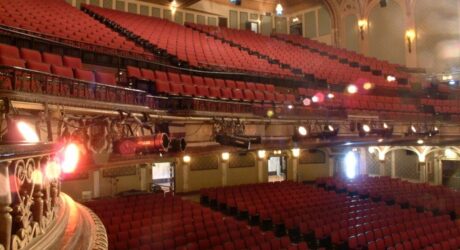
One of the most crucial aspects of the Orpheum’s renovation was its seating renovation. The original seats, which had been damaged over the years, were replaced with refurbished seating that both respected the theatre’s vintage aesthetic and offered improved comfort for contemporary audiences. The new red velvet upholstery and classic armrests perfectly matched the theatre’s historic décor, preserving the ambience of the space.
The seating capacity was slightly reduced to accommodate modern comfort standards, with a focus on better sightlines and accessibility. This ensured that the Orpheum could offer a premium experience without compromising its historic ambiance. The combination of comfort and aesthetic preservation was a key consideration, as it balanced the need for modern amenities with the importance of respecting the venue’s history.
A Renewed Venue for Future Generations
In 1989 the Orpheum Theatre reopened as a premier venue for a variety of performances. Since then, it has hosted concerts, Broadway shows, film screenings, and more. The successful renovation preserved the venue’s historic beauty, while the upgraded facilities, including the refurbished seating, ensured it could accommodate the needs of contemporary audiences.
Photos from Cinema Treasures website users Ken Roe and dbellis54 Kinospotter
License under CC BY 4.0
Case Study: Paramount Theatre Centre & Ballroom– Anderson, Indiana: A Landmark Renovation
Opened: 1929
Restoration: 2003
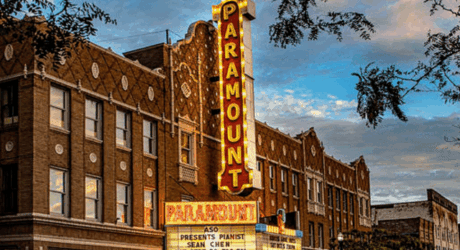
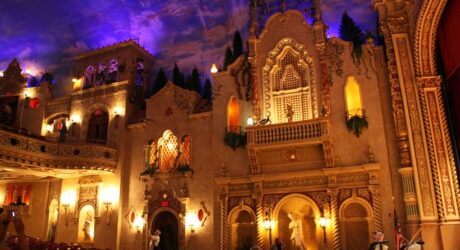
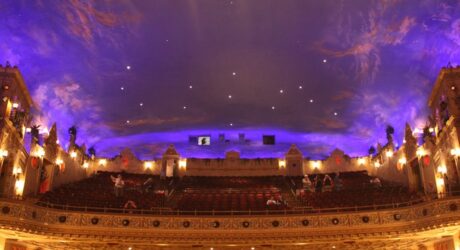
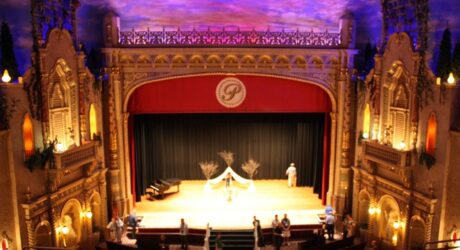
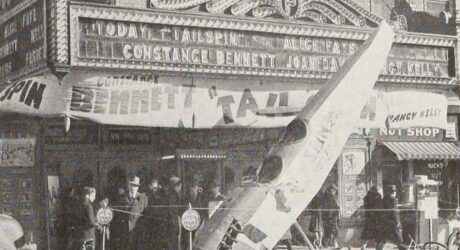
The Paramount Theatre in Anderson, Indiana, is a testament to the importance of theatre restoration in preserving cultural landmarks. Opened in 1929, it was designed with Italian Renaissance architecture and became a popular venue for vaudeville performances and films. By the late 20th century, the theatre closed its doors in the 1980s. Local efforts in the 1990s launched a restoration project.
Restoration Efforts: Bringing the Past to Life
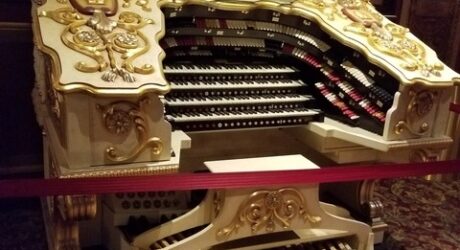
The restoration of the Paramount Theatre began in 2001 with the goal of bringing the venue back to its original splendor. The restoration focused on restoring the ornate plasterwork, including the intricately designed ceiling dome, which had been covered in paint. The murals were carefully brought back to life, and the Page organ, a key feature of the original theatre, was returned to its former glory. This effort ensured that the Paramount’s grandeur would be preserved for future generations.
Refurbished Seating and Modern Upgrades
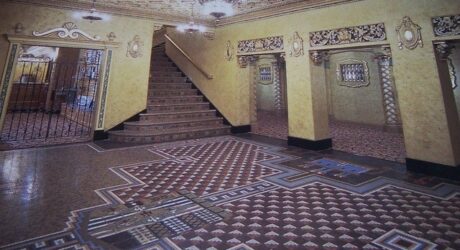
As part of the renovation, the theatre’s seating were refurbished maintaining the venue’s historical look. The lobby was also redesigned with marble flooring and restored vintage light fixtures, complementing the theatre’s elegant style. At the same time, the venue received modern upgrades including a state-of-the-art sound system and lighting, making it suitable for a wide range of performances.
A Revitalized Cultural Hub
The Paramount Theatre opened again in 2003, swiftly regaining its status as an important cultural landmark. It now hosts a variety of performances, including concerts, Broadway shows, and community events. The successful restoration has made it a vibrant part of the local arts scene and a model for other historic theatres in Indiana.
Images by Bruce C. Gerald A. DeLuca

A Case Study of The Ramova Theatre located in Chicago, Illinois: A Glorious Revival
Opened: 1929
Restoration: 2023
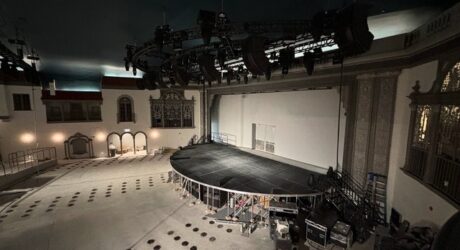
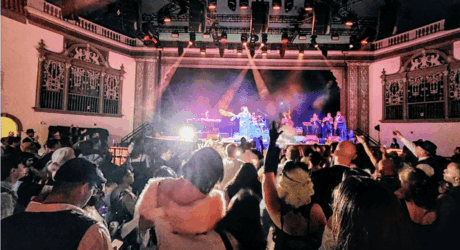
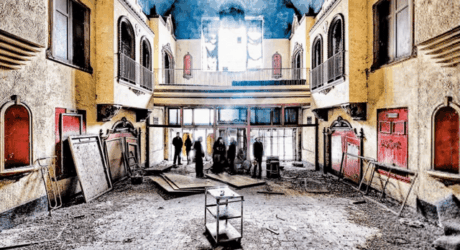
The Ramova Theatre, located in Chicago’s historic Bridgeport neighborhood, stands as a symbol of the city’s rich cultural heritage. Opened in 1929, the theatre was a shining example of the Atmospheric style, designed to transport audiences into a Spanish courtyard setting. The theatre’s lavish decor, complete with glittering stars on the ceiling and faux-marble detailing, made it one of the city’s grandest movie palaces. A restoration initiative started in the 1990s, aiming to revive both its artistic splendor and community relevance.
Restoration Efforts: Bringing History Back to Life
The restoration of the Ramova Theatre focused on preserving the historic charm of the venue while making it usable for modern performances. Special attention was given to the ornate plasterwork, the ceiling dome, and the starry sky motif was meticulously restored back to its original form. A crucial aspect of the restoration involved preserving the iconic Page organ, a defining feature of the theatre’s original design.
Seating Restoration: Modern Comfort Meets Classic Style
One of the standout elements of the restoration was the seating renovation. The original seats were replaced with historically accurate replicas that stay true to the 1929 aesthetic. Refurbished seating was also incorporated, ensuring that the vintage seats retained their charm while being modernized for comfort and accessibility. The new seating layout improved aisle space and ensured ADA compliance, making the theatre more accessible to a wider audience.
A New Beginning: Community Revival
After a $30 million renovation, the Ramova Theatre officially reopened in 2023. The venue now serves as a community arts center, offering a 200 seat theater in what was the former balcony while the main floor provides seating for up to 1,500 people. With its renovated seats and revitalized design, the theatre is now poised to be a central hub for local culture, hosting concerts, theatre productions, and community events. The restoration not only preserved the venue’s historical integrity but has also ensured its role in Bridgeport’s future.
Cinematreasures.org Inside image are from Leyla I. Royale Outside image from Ssc48 Before renovation by Eric Holubow photo License under CC BY 4.0
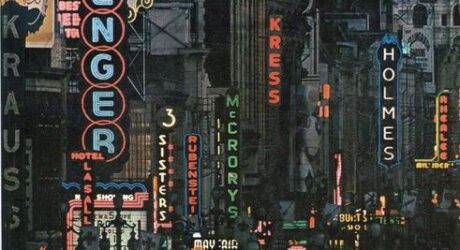
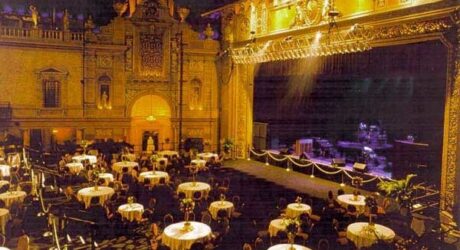
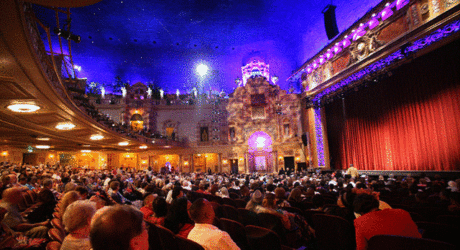
Saenger Theatre: A Revival of Restored Seating and Enduring Charm
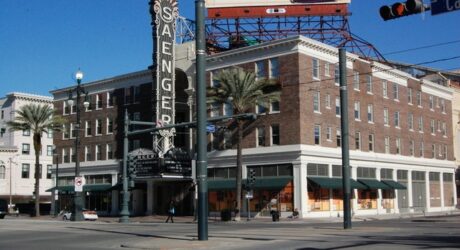
Few structures strike a chord with locals and visitors quite like the Saenger Theatre in New Orleans. Since opening in 1927, its Italian Baroque architecture and lavish interior have told a story of opulence, resilience, and rebirth. Almost destroyed by Hurricane Katrina in 2005, the theater was left facing an unpredictable future—until a remarkable $53 million theatre restoration effort brought it roaring back to life by 2013. And what a comeback it was.
Honoring History Through Thoughtful Renovation
The magic of a successful theatre restoration lies in striking the right balance between honoring tradition while meeting modern demands. That’s precisely what happened here. With a new seating layout reducing capacity from nearly 4,000 to about 2,736, the renovation prioritized comfort, legroom, and improved sightlines. But that wasn’t all. HVAC systems were stealthily woven into the design, preserving aesthetics while modernizing the experience. These are the kind of thoughtful decisions that make theatre restoration more than just a facelift—they make it functional art.
Refurbished Seating: Where Authenticity Meets Comfort
Imagine sitting in a plush, velvet-covered chair that mirrors the glamour of the 1920s—yet feels as fresh as anything brand-new. That’s the brilliance of refurbished seating at the Saenger. Every chair was either carefully restored or replicated using materials that mirrored the original finishes. The attention to detail wasn’t just aesthetic—it aimed to immerse the audience in a bygone era while giving them the physical comfort today’s theatergoers expect. Renovated seats weren’t just practical—they were personal.
The Outcome: Legacy Preserved, Experience Elevated
Today, the Saenger Theatre is more than just a venue. It’s a living testament to what thoughtful renovation can achieve. By welcoming Broadway productions, live music, and cultural gatherings, it blends its vintage allure with today’s audience standards. If you’ve ever doubted the power of a well-planned theatre restoration, look no further. From the architectural flourishes to the refurbished seating beneath you, every detail whispers, “Welcome back.”
For more on the history of Sanenger Theatre click here. You tube video https://cinematreasures.org/theaters/3184 License under CC BY 4.0
Apollo Theater (Harlem, NYC): A Cultural Icon Reimagined
 When you think of Harlem, one name echoes louder than most: the Apollo Theater. A cradle of legendary performers and a stage for Black cultural expression, the Apollo’s legacy has remained unshaken since 1914—and now, it’s being reborn. With a sweeping theatre restoration underway and a reopening set for 2026, this icon isn’t just getting a facelift; it’s embracing the future while staying rooted in its rich past.
Preserving History Through Renovation
This isn’t your typical paint-and-polish project. The Apollo is undergoing its largest and most transformative update to date. At the heart of the effort? A deep respect for the theater’s soul. Every detail—from the proscenium arch to the box seating—is being lovingly restored to maintain authenticity. Yet, it’s not just about looks. Functionality matters. Updated electrical systems, improved backstage tech, and new audience amenities will support shows that rival any Broadway production. Preferred Seating, a key contributor, has ensured that the refurbished seating honors the original charm while embracing modern standards of comfort.
Rethinking the Audience Experience
Ever been to a show where the view was blocked, the seats were cramped, and navigating the aisles felt like a maze? Not at the renovated Apollo. The team behind the transformation prioritized renovated seats that offer ergonomic support, improved sightlines, and better spacing to enhance the overall flow. It’s about more than watching a show—it’s about feeling connected to it. That’s the kind of immersive experience that keeps audiences coming back, night after night.
More Than a Theater—A Living Legacy
 Once reopened, the Apollo will do more than host performances. With the addition of a cafe, digital “Wall of Fame,” and accessible design, it becomes a gathering place, a museum, a celebration of culture. It’s theatre restoration with soul, where each element—from the stage to the seating—is crafted to inspire the next generation of storytellers.
In the end, the Apollo’s rebirth isn’t just about bricks, beams, or renovated seats. It’s about spirit. In the silence of history, these walls would murmur, “Our spirit rises anew.”
Courtesy of the Library of Congress 2023867408 History of Apollo Theater
Apollo Theatre from the stage 2023867408 courtesy of David Shankbone
Image Courtesy of Wikipedia.org By Hans Joachim Dudeck
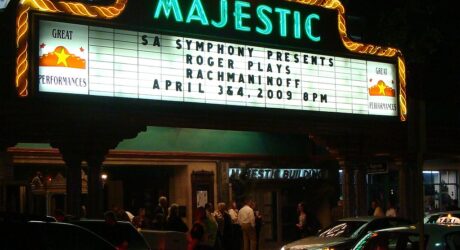
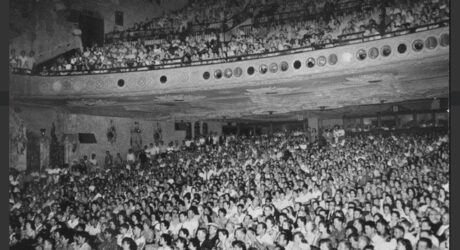
Case Study: The Majestic Theatre – San Antonio, Texas
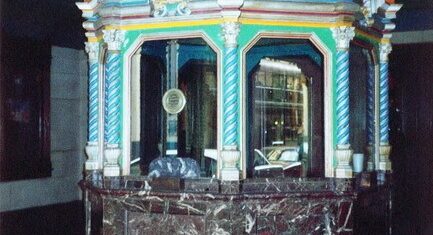
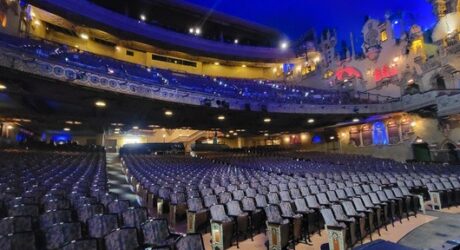
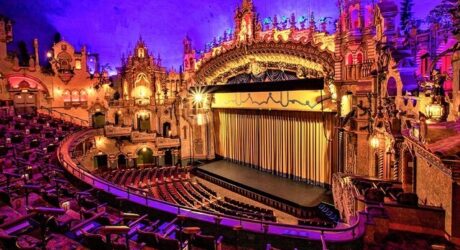
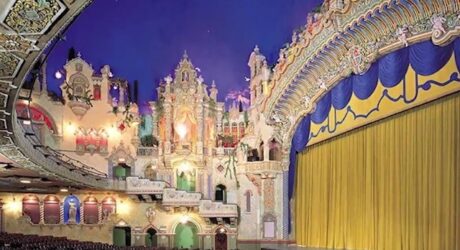
Step inside the Majestic Theatre in San Antonio, and you’ll feel like you’ve traveled through time. With its glittering stars on the ceiling and lavish Spanish Baroque detailing, this iconic venue isn’t just a building—it’s a story. A symbol of 1920s opulence, thanks to an ambitious theatre restoration, it’s now a thriving cornerstone of Texas’ cultural scene.
From Decline to Determination
By the late 1980s, the Majestic Theatre had seen better days and the community rallied. Locals, preservationists, and the City of San Antonio refused to let the Majestic vanish. A full-scale renovation began in 1989, backed by the city and the San Antonio Symphony, with the mission to restore not just a building—but a piece of the city’s soul.
Merging Old-World Charm with Modern Comfort
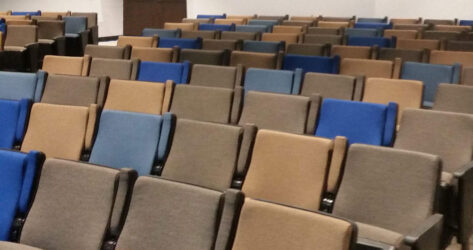
This wasn’t your average patch job. The team focused on meticulous architectural preservation. Original murals, plaster detailing, and the grand proscenium arch were lovingly restored. Even the ceiling’s celestial design was recreated to match its original brilliance. At the same time, the theater underwent a transformation behind the scenes. New lighting and audio systems were installed, and most importantly, refurbished seating replaced the worn-out originals. The balcony was restructured to improve comfort and sightlines—because when you come to the Majestic, relaxation and visibility are key—every seat should make you feel like you’re center stage.
A Cultural Revival
The theatre officially reopened in 1995 and quickly reclaimed its title as a performing arts powerhouse. Broadway hits, symphony concerts, and touring productions now grace its stage. Its successful theatre restoration not only preserved a historic gem but also helped revitalize downtown San Antonio. Today, visitors marvel not only at the grandeur but also at how seamlessly its renovated seats and the blend of modern comforts and vintage style creates an atmosphere of lasting elegance.
In the end, the Majestic’s revival reminds us that renovation isn’t just about structure—it’s about spirit. And sometimes, all it takes is a community with vision, passion, and a little bit of stardust.
Common Themes in Historic Theatre Restoration
Across these diverse projects, a few universal truths emerge:
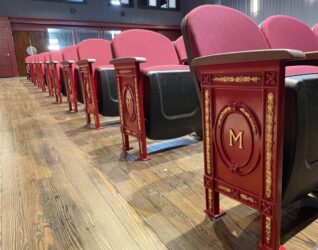
- Seating matters. Whether it’s restoring vintage chairs or installing high-quality replicas, theater chairs play a central role in shaping the audience experience.
- Balance is key. The best restorations preserve a theatre’s soul while adapting to modern needs.
- Seating Consultants make a difference. From design consultation to manufacturing and installation, expert partners ensure the seating renovation aligns with the venue’s historical and functional needs.
Final Curtain Call: Honoring the Past, Seating the Future
Every historical theatre tells a story. Through restoration and seating renovation, we don’t just preserve buildings—we preserve the memories and moments they contain. Theaters like the Ramova, Saenger, and Apollo remind us that these places aren’t relics; they’re living, breathing venues that evolve with us.
So next time you settle into a refurbished seat beneath a golden ceiling, remember: someone chose to preserve that chair—not just for comfort, but for continuity. For your next theater project, trust a seating consultant to blend historical craftsmanship with modern excellence.
Because in the world of historical theatre, great performances begin with great seats.

#/media/File:Apollo_Theater_Harlem_NYC_2010_crop.JPG)
