



Blending Aesthetics and Comfort
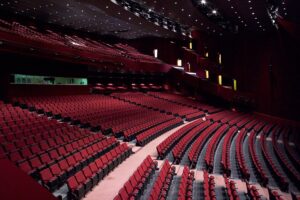 A theater’s seating isn’t just functional—it’s part of the venue’s identity. From the luxurious upholstery to the ergonomic contours, every detail contributes to the overall atmosphere.
Material Choices
Theater seating fabric has the potential to change the mood of your surroundings. Velvet exudes opulence, while modern sustainable materials provide a sleek, eco-friendly alternative. Preferred Seating often employs materials that are both durable and visually stunning, ensuring the seats withstand wear while maintaining their allure.
Seating Ergonomic Design
Auditorium seating is a type of seating that guarantees comfort. Features such as contoured seat backs, padded cushions, and lumbar support make all the difference in keeping audiences engaged during long performances.
Color and Finishes
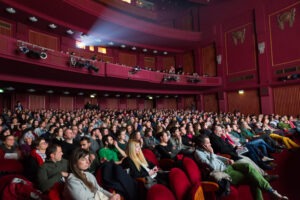 The color palette of theater seats can complement the overall theme of the venue. Bold hues create drama, while neutral tones offer timeless elegance. Finishes, from matte to gloss, add a final touch of refinement.
Functionality Meets Innovation
While aesthetics are vital, functionality ensures that seating layouts serve both audiences and event organizers effectively. Today, innovation is transforming the way we think about theater chairs.
Modular Seating Systems
Adaptiveness is the new norm for modern auditorium design. Modular seating systems allow venues to adapt layouts for different types of performances. Need more space for an interactive play? Rearrange the seats. Hosting a lecture? Opt for a more formal setup.
Integrated Technology
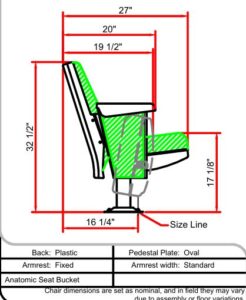 Imagine theater seats equipped with built-in USB ports for charging devices or subtle lighting that guides latecomers without disturbing the performance. These technological upgrades, often seen in Preferred Seating’s designs, elevate the overall audience experience.
Accessibility Features
Inclusivity is a crucial consideration. Wheelchair-accessible rows, removable armrests, and hearing loop systems ensure everyone can enjoy the performance comfortably.
Customizing Seating Layouts for Unique Atmospheres
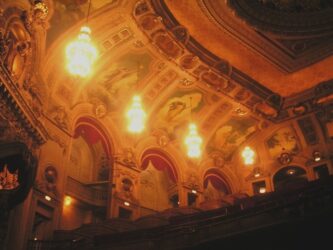
Every venue has its own personality, and its seating should reflect that. Whether it’s a historic opera house or a state-of-the-art concert hall, the layout should harmonize with the space’s essence.
Venue-Specific Configurations
A historic theater or cinema may benefit from curved rows that echo its classic architecture, while a minimalist auditorium might favor clean, straight lines. Preferred Seating’s expertise in creating tailored layouts ensures that every venue’s seating is a perfect fit.
Dynamic Arrangements
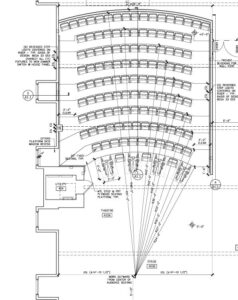 Changing seating patterns in dynamic venues allow for the exploration of both traditional and unconventional arrangements. Circular chairs foster intimacy for small-scale performances, while tiered layouts are ideal for large audiences.
Understanding Theater Seating Layouts
When we talk about creating a seating layout, certain terms come into play that define the essentials of theater chair design. Here are the cornerstones: Before any concrete is poured there are essential design elements that must be addressed. Miss them, and you’re not just facing higher costs down the line—you’re compromising safety, comfort, and overall patron satisfaction.
Sightlines
Imagine sitting in an auditorium where the view of the stage is obscured by someone’s head. Frustrating, isn’t it? Sightlines refer to the unobstructed view from each seat to the stage. Achieving optimal sightlines involves calculating the rake (incline) of rows and ensuring every seat offers a clear perspective. This balance is particularly critical in venues designed by experts like Preferred Seating.
- Staggered Chairs: Offset each row so no one is staring at the back of a head. This is especially crucial in flat floor venues.
- Treads and Risers: Elevating each row not only boosts visibility but also gives the entire room a grander feel.
The Hidden Complexity of Incline Breaks
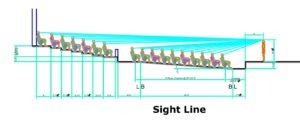 Let’s kick things off with a feature that’s often misunderstood: incline breaks. These are the points where the slope of the floor changes, usually to accommodate rising seating levels. When done right, they create natural sight lines, support better audience visibility, and help optimize your auditorium or theatre’s seating capacity. But there’s a catch—how you shape these breaks matters. Use concentric radii. Think of them as nesting circles, each one slightly larger than the last. This method aligns the seats with consistent spacing, maintaining clear passage and better visual balance across the theatre.
Rear Walls and Obstructions: The Quiet Trouble-Makers
You’d be surprised how often rear walls, pony walls, and rails cause chaos in otherwise perfect layouts. Designers frequently forget that the back row needs extra depth to accommodate the chair’s overhang. The result? The entire seating layout creeps forward, throwing off measurements row by row. The Solution: Simply give that back row more breathing room. Adding just 6 to 8 inches of tread depth in areas with obstructions ensures seatbacks stay aligned with the riser and maintain safe, consistent spacing. This isn’t just a preference—it’s a safety requirement in many jurisdictions.
Intermediate Steps and the “Gap Trap”
 Ever stepped into a cinema and noticed a gap between the end of a step and the first seat? It might seem small, but it’s a recipe for trouble. Personal belongings vanish into these spaces, and more importantly, it becomes a tripping hazard for anyone not watching their footing. Best Practice: Align the step edge with the riser face. This tiny design shift ensures each step meets the base of the seat cleanly, closing off those hazardous gaps. It’s a detail that cinema patrons won’t notice—but they’ll certainly feel safer navigating your venue.
Auditorium Capacity Planning
The balance between comfort, seat capacity and accessibility is achieved through capacity planning. Overcrowded rows might maximize ticket sales but at the expense of the audience’s experience. Striking this balance ensures functionality doesn’t overshadow comfort.
Row Spacing
This refers to the distance between rows of auditorium seats. Adequate spacing ensures legroom and allows people to move easily without disrupting others. Think of it as the fine line between cozy and cramped.
Curved vs. Straight Rows
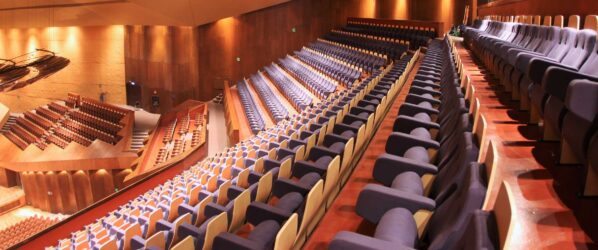
Curved rows mimic the natural arc of a performance stage, offering better sightlines and a feeling of intimacy. Straight rows, while more traditional, can be optimized for venues with space constraints. The choice often hinges on the ambiance the theater aims to create.
Design with Purpose, Not Just Aesthetics
There’s a popular saying among theater design professionals: “If you notice the seats, something went wrong.” The most impressive auditorium seating designs blend into one another, leaving customers to enjoy the experience. But getting to that point requires deliberate choices, careful measurement, and the humility to ask tough questions before construction begins.
- Are your incline breaks aligned with your seating rows?
- Have you planned enough space for rear wall obstructions?
- Will your intermediate steps meet safety standards?
- Can every seat see the stage comfortably?
- Is the anchoring plan rock-solid and safe?
Theater Ambiance and Engagement
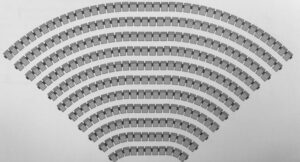 Seating isn’t just about functionality—it’s about engagement. Strategic arrangements can draw audiences closer to the action, creating an immersive environment that enhances the emotional connection between performers and spectators.
The Role of Preferred Seating in Transforming Theater Spaces
Preferred Seating is at the forefront of blending aesthetics, comfort, and functionality in theater and cinema seating design. With decades of expertise, the company crafts layouts that not only meet but exceed the expectations of modern audiences.
Attention to Detail
From the curvature of rows to the selection of upholstery, every element is meticulously planned. Preferred Seating ensures that each project is a masterpiece, tailored to the venue’s unique needs.
Sustainability
Preferred Seating prioritizes sustainable practices, offering materials and designs that reduce environmental impact without compromising quality or style.
Client Collaboration
Customization thrives on collaboration. Preferred Seating works closely with clients to understand their vision, translating it into chair layouts that align with their goals.
Turning Seats into Statements
Theater seats are no longer just a practical necessity; they play an important role in entertainment and the atmosphere of a theatre. By blending aesthetics, comfort, and functionality, customized seating layouts transform venues into captivating environments where audiences have ample opportunity to experience the magic. With experts like Preferred Seating leading the charge, the possibilities are as limitless.
Next time you find yourself settling into a plush theater seat, take a moment to appreciate the artistry behind its design. After all, the best seats in the house aren’t just about the view—they’re about the experience.

AI Music Generator
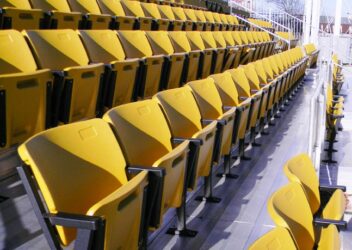
20 Jun 2025It’s interesting to see how seating options can really shape the experience of different venues, from a cinema to a performing arts center. The flexibility of both portable and fixed seating makes it possible to create spaces that are functional and comfortable for a variety of events.