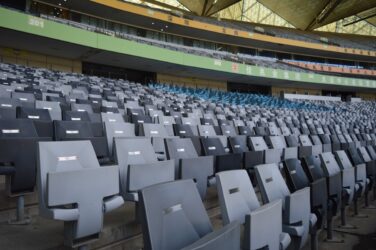



 Think back to the last time you sat in a stadium. Did you sit on bleachers or ergonomic stadium seats? Could you see the action clearly? Were you constantly adjusting to stay balanced, or worse, squirming in discomfort halfway through the second quarter? These aren’t just minor inconveniences—they’re key indicators of how far we’ve come, or haven’t, in designing venues for real human experience. Fortunately, that’s all starting to change. Welcome to the age of data-driven stadium and bleachers design and ergonomic stadium seating.
The Shift Toward Intelligence: Why Data Matters in Stadium and Bleacher Design
Modern stadiums have evolved far beyond simple structures filled with rows of seats. They’re living systems—dynamic, responsive, and increasingly intelligent. Thanks to sophisticated analytics and real-time stadium design insights, manufacturers and designers are optimizing every detail. From the angle of the incline to the spacing between seats, no metric is too small to analyze.
Data sources are surprisingly diverse: motion capture of seated fans, crowd behavior heatmaps, even ticket scan patterns at gates. It’s all collected, parsed, and visualized to create smarter layouts and finer stadium seat optimization.
What Is Predictive Modeling in Stadium Design?
 Predictive modeling in stadium and bleachers design uses data, algorithms, and simulations to anticipate how things will function or perform—or before changes are made. It helps architects, engineers, and planners anticipate outcomes related to:
🔍 Common Uses in Stadium Design:
| Area of Focus | What Predictive Modeling Does |
| Fan flow & congestion | Forecasts crowd movement patterns for smoother traffic flow |
| Sightline analysis | Simulates different seating arrangements for unobstructed views |
| Acoustics | Predicts how sound will carry through different seating layouts |
| Environmental control | Models temperature, airflow, and lighting impacts across seasons |
| Emergency egress | Simulates evacuation routes to ensure safety and code compliance |
| Ticket demand | Uses analytics to forecast game attendance and seating needs |
Ergonomics at the Forefront: Making Comfort the Standard
 Once upon a time, a stadium seat was just a plastic chair screwed to the floor. Today, ergonomic stadium seating has become a key differentiator. Engineers are studying spine alignment, circulation, and user behavior to ensure that seating supports more than just the game—it supports the human body.
Take seat depth and lumbar support, for instance. What was once considered a luxury is now expected. Modern stadiums employ adjustable backrests, memory foam inserts, and carefully calculated seat angles—all driven by user testing and analytics. It’s no longer about filling space. It’s about optimizing it.
Seeing Is Believing: Optimizing for Sightlines and Safety
Ever been stuck behind someone 6’7″ at a concert? You know the pain. That’s why stadium seat optimization includes more than just comfort. Designers use 3D modeling and data overlays to analyze sightline obstructions, ensuring that every row has a clean view to the field—or the stage.
And safety? That’s right in the mix too. Row incline and exit path design are now calculated with simulation-based analytics. Stadiums and bleachers insights are cutting down on trip hazards, crowd congestion, and emergency egress concerns, making fan safety as important as the half-time show.
Accessibility Isn’t Optional—It’s Engineered
 True inclusivity means more than just meeting ADA requirements. Modern data-driven stadium design incorporates direct feedback from fans with mobility challenges. Wider aisles, varied seat heights, companion seating layouts—it’s all part of the evolution.
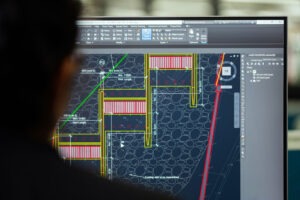
Designers now simulate wheelchair pathways and test spatial dynamics using advanced stadium design insights. The goal? Ensure every fan, regardless of ability, experiences the event equally—and comfortably. That’s where ergonomics and empathy meet.
The Road Ahead: What the Next Era of Stadium Design Will Look Like
Where do we go from here? Expect even more granular data inputs—like temperature preferences, environmental sensors, and even fan feedback via mobile apps. This will feed directly into future data-driven stadium design frameworks that evolve in real-time.
Imagine a seat that adjusts based on your posture. Or a venue that reconfigures traffic flow on the fly. The integration of AI and predictive modeling opens up thrilling and limitless opportunities. Ergonomic stadium seating isn’t just a trend. It’s the new normal, and it’s here to stay.
Conclusion: Data Meets Design—And the Fans Win
 At the intersection of innovation and comfort lies a powerful reality: today’s stadiums are being shaped by people, for people. Through the use of analytics, user feedback, and actionable stadium design insights, we’re witnessing a shift that prioritizes well-being alongside wow-factor.
Whether it’s smarter layout, safer exits, or superior comfort through ergonomic stadium seating, the future of live events looks not only more exciting—but more human. That’s the impact made possible by harnessing data-driven stadium and bleachers design. So next time you take your seat at the big game, look around—and know that every inch of your experience was carefully considered. Yes, even the cupholder. Partner up with a seat advisor like Preferred Seating to help you with your stadium seating design .