



Planning for the Big Game: Understanding Land Requirements for Sports Fields and Stadiums
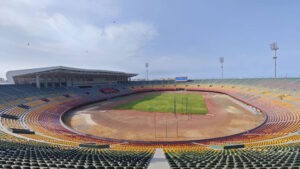 Imagine standing in an open field, envisioning the roar of a crowd, the bright lights of a night game, and thousands of fans settled comfortably in their seats. Sounds thrilling, doesn’t it? But before you can bring that dream to life, there’s a more grounded reality to consider—how much land do you really need to build a sports field? Quick note: it’s far more than the field alone.
When developers, schools, or cities embark on creating new sports facilities, many underestimate just how much space these venues truly demand. From vehicle lots to changing rooms, and from ADA paths to media spaces, the list of considerations goes far beyond the game itself. This article will take a deep dive into the critical terminology and key considerations that determine land use requirements for sports fields, stadiums and arenas, helping you build smart, scale right, and seat every fan in style.
The Basics: Why the Playing Surface Isn’t the Only Land Hog
Let’s start with a common misconception: that the playing field dictates how much land you need. Although the field is prominent, it’s only the beginning of the larger picture.
A basic sports field might be suitable for local recreational games, requiring only minimal infrastructure—perhaps several benches plus a short gravel strip for car parking. These setups can work on just a few acres of land. But as the level of competition increases, so does the need for supporting infrastructure. A professional stadium, by contrast, is a full-blown ecosystem that includes massive seating sections, wide concourses, locker rooms, food vendors, VIP lounges, and safety facilities.
Just think about it: even a high school football field might get by with a few hundred seats and a small parking lot. But scale that up to college or pro-level events, and you’re looking at tens of thousands of seats, each one needing a view, an entry path, a bathroom nearby, and a place to park. It’s easy to see how land use requirements explode.
Sports Field vs. Stadium: What’s the Difference in Land Use?
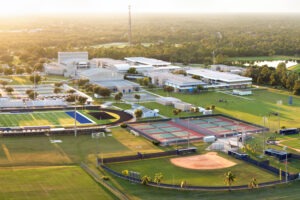 No surprise—a sports field functions solely for athletic performance. In essence, a sports field is strictly for athletic use. A stadium is for playing and hosting—at scale. That distinction alone introduces a variety of additional land uses.
A Simple Sports Field
- Often open to the public
- Little to no fixed sports seating
- Minimal parking (often shared or street-based)
- Portable restrooms or small on-site buildings
- Used for community or youth sports
A small soccer or baseball field like this might only need 2 to 5 acres, depending on field size and minimal seating.
Full-Blown Stadium Complex
- Grandstands or multi-tier bleachers and or seating structures
- Concession stands, restrooms, locker rooms
- Large parking facilities with hundreds or thousands of spaces
- Ticketing and retail areas
- Media rooms, security, and emergency medical stations
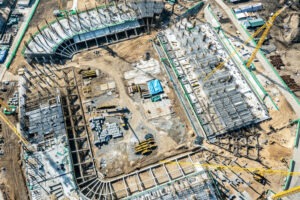
A major stadium can require upwards of 100 acres of land or more. Why? Let’s break it down with a hypothetical example. Say you’re designing a 50,000-seat stadium. At a parking ratio of 1 space for every 3 seats, you’ll need roughly 16,700 parking spots. That alone might require 80–100 acres depending on the layout. Then, add space for access roads, landscaping, signage, and buffer zones for noise mitigation, and you can easily double your original estimate.
How the Sport Type Changes the Game (and Land Needs)
Here’s where it gets really interesting: not all sports are created equal when it comes to land consumption. Each sport has its own dimensions, safety zones, and seating demands such as bleachers, benches, etc.
 Football
- Field: 120 yards x 53.3 yards (including end zones)
- Buffer zones: sideline space, team areas
- Additional needs: press box, coaching booths, locker rooms
- Stadiums often include thousands of fixed seats
Baseball
- Highly variable dimensions (especially in outfields and foul territory)
- Bullpens, dugouts, batting areas, and press spaces necessary
- Stadium seating can wrap around nearly 270 degrees
Because of irregular shapes and large outfields, land use for baseball stadiums can be unpredictable. Professional ballparks might stretch across 15–20 acres for the field and infrastructure alone.
Soccer
- Fields range from 100–130 yards long and 50–100 yards wide
- Buffer areas, player benches, and warm-up spaces required
- Stadiums often designed for international regulation matches
Professional soccer venues must also account for media zones, mixed-use tunnels, and sometimes retractable seating, bleachers or roofs—all of which increase land demands.
Track and Field
- A standard 400-meter oval track plus space for field events
- Requires separate areas for pole vault, discus, javelin, and shot put
- Spectator seating and bleachers typically surrounds one side or more
A track complex may seem compact, but when you add event-specific spaces and facilities, more land is used than a football field.
Beyond the Field: What Eats Up the Rest of the Land?
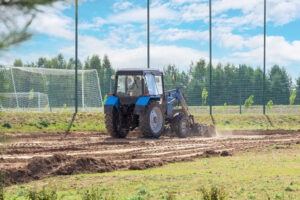 Now, let’s get real. The playing field is only one part of your blueprint. Here’s what else commands space in a modern stadium:
- Seating: Stadium seats don’t just stack neatly into corners. Sightlines, aisle widths, and ADA regulations all affect how stadium seating and bleachers are arranged. Want 10,000 seats? You’ll need more than just the square footage those chairs take up.
- Parking: The average parking space is about 300 square feet, and with thousands of vehicles attending a game, parking becomes the largest single land consumer in most entertainment projects.
- Restrooms and Concessions: A well-designed venue offers adequate facilities to meet health codes and convenience standards. These areas should be distributed evenly across seating sections for accessibility.
- Access Roads and Drop-Off Areas: For crowd control and emergency response, wide access lanes and dedicated zones for buses, delivery trucks, and ambulances are mandatory.
- Media and Team Facilities: Think broadcast studios, team offices, video review rooms, and practice areas.
Every one of these features plays a role in your land planning—skip one, and you could be facing code violations or bottlenecked entry points on game day.
Zoning Laws and Accessibility: Invisible but Critical Constraints
Zoning laws can make or break your project. These local regulations dictate what kind of development is allowed and where. Here are some things zoning boards might require:
- Buffer zones between the stadium and residential neighborhoods
- Maximum building height limits (which impact upper-deck seating)
- Noise abatement requirements, especially for nighttime events
- Environmental impact assessments, especially near wetlands or protected land
Another key factor is the Americans with Disabilities Act (ADA). If your venue isn’t fully accessible, you’re not just in ethical violation—you’re likely breaking federal law. That means:
- Designated wheelchair-accessible seating
- Elevators or ramps requirements in multilevel venues
- Accessible bathrooms and parking spots
- Emergency evacuation plans for all attendees
Planning for these elements takes up more land—but it also ensures your facility is welcoming and legally sound.
Cost Considerations: When Land = Dollars
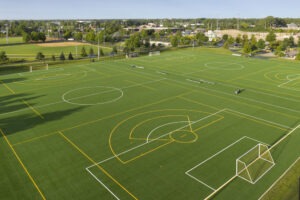 Here’s a question worth asking early on: Can you afford the land your stadium needs?
Urban land prices can be exorbitant, often forcing developers to get creative—either by building vertically (think stacked parking garages) or exploring underused industrial zones. In rural or suburban areas, land is usually more available, but you might spend more on infrastructure like roads and utilities.
Don’t forget:
- Initial site prep costs (grading, drainage, utility installation)
- Long-term maintenance (landscaping, surface upkeep)
- Expansion capacity (you might not need 100,000 seats today, but what about in ten years?)
A stadium is an investment. As with all investments, shortcuts now may lead to major costs later on.
Planning for the Future: Flexibility and Smart Design
Let’s say you nail the basics—field size, seats, parking, zoning. What’s next?
Futureproofing. Design with expansion in mind. Modular seating systems, flexible concourses, and multi-sport capabilities can maximize land use requirements and return on investment.
Ask yourself:
- Could this sports field be upgraded to a stadium in 5 years?
- Is the seating expandable without a full redesign?
- Can the venue support concerts or community events?
Facilities that adapt to changing needs will remain useful longer—and become more financially sustainable in the long run.
Final Thoughts: Think Bigger, Plan Smarter
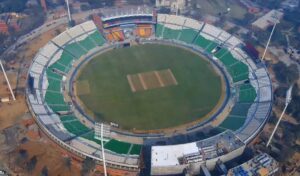 At the end of the day, designing a sports field, racetrack and or large athletic facility is about more than outlining a huge rectangle across bare open land. It’s about foresight, balance, and understanding how land is used and the requirements across every phase of a project. From seating to zoning to parking to practice areas, every square foot must earn its place.
So whether you’re building a small-town baseball diamond or a multi-sport arena with 70,000 seats, you need the right team to help you navigate it all—from regulations to design to installation.
And when it comes to seating that balances comfort, durability, and space efficiency, don’t leave it to chance. Call Preferred Seating at 317-782-4555. Their experience seating for all entertainment venues can save you space, money, and stress—one seat at a time.
Because in the game of land planning for sports, every inch counts.



AI Music Generator
2 Jul 2025I love how much emphasis is placed on facility architecture here. The way seating is integrated into the design can completely transform the user experience. It’s amazing how thoughtful design can enhance both function and aesthetics in these large spaces.