


Preserving the Past, Seating the Future: Restoration of Historic Theaters with Style and Strategy
 Step into a century-old theatre and you’re instantly transported. The scent of old velvet, the ornate moldings, the echoes of curtain calls from decades past—it’s all part of the magic. But for anyone responsible for renovating one of these architectural treasures, that magic comes with reality, including crumbling infrastructure, subpar auditorium seats, and a delicate balance between comfort and convenience. If you’ve ever wondered what it takes to breathe life back into a historic theater, buckle up. It’s part puzzle, part passion project—and entirely worth the effort.
So, what exactly does it take to renovate a historic venue to its former glory while making it functional for today’s audiences? From working within rigid codes to reimagining comfort, we’ll explore how smart planning and modern solutions—like those from companies such as Preferred Seating—make a massive difference.
Cracking the Code — Literally
 Let’s be honest—building codes weren’t exactly a thing back when some of our oldest theaters were built. That’s where things get tricky.
Many historic theater venues were designed long before ADA laws, fire safety standards, or even basic plumbing codes. Think about this: How many historic theaters have you visited where the aisles feel so narrow your knees end up hugging your chin, or where the bathrooms are two flights of stairs away? That’s not just inconvenient—it’s noncompliant.
Today, codes cover everything from electrical wiring to aisle widths, and most historic venues fall short in one or more areas. Fire suppression systems might be outdated or nonexistent. Exits might be too few or improperly marked. And don’t even get started on the rigging or stage mechanics—they’re often so out-of-date they might as well be powered by coal.
That’s why hiring an experienced architect or theatre consultant from companies like Preferred Seating is not optional—it’s essential. These professionals act like bilingual interpreters between the past and the present. They help owners understand which elements can be preserved under “grandfather” clauses and which must be updated. They’ll also know how to negotiate with building inspectors and fire marshals, potentially saving you thousands—and months—in the process.
The Art and Math of Modern Seating
Now, let’s talk about the heart of the venue: the seats. Comfortable, modern auditorium seats are no longer a luxury—they’re an expectation. And this is where restoring a historic theater really starts to tangle with today’s standards.
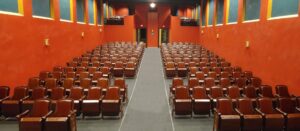 One of the biggest challenges? ADA compliance. Under modern rules, venues must provide accessible options for patrons with mobility issues. This includes designated wheelchair spaces, companion seating, ramps, and swing-up armrests. It’s not just a legal requirement, but also based on moral principles. Regardless, all audiences should be able to enjoy the live entertainment.
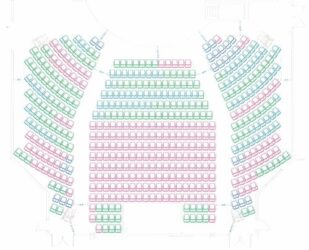
But here’s the kicker: adding accessibility often means removing seats, which cuts into potential revenue. The rows in many old auditoriums are already tightly packed. If you add ramps or expand row spacing, capacity drops. That’s why choosing smartly designed seats—like tight-envelope styles from companies such as Preferred Seating—becomes a game-changer. These seats maximize comfort without taking up more space than necessary.
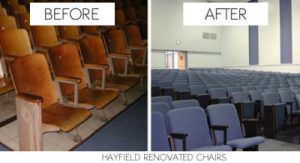
Even if your existing layout technically meets code, audiences today expect more. Narrow seats, limited legroom, and hard padding are things of the past. Comfort sells tickets. In some cases, it might make more sense to replace older auditorium seats altogether rather than attempt repairs, especially when original parts are hard to source or no longer manufactured. That’s where manufacturers who specialize in historic restorations can offer custom solutions to match the original look while updating the guts for comfort and durability.
Holding Onto Character While Embracing Change
Preserving a theater’s original aesthetic is like walking a tightrope: lean too far into modernity and you lose its soul; lean too far into history and you risk creating a museum no one wants to sit in.
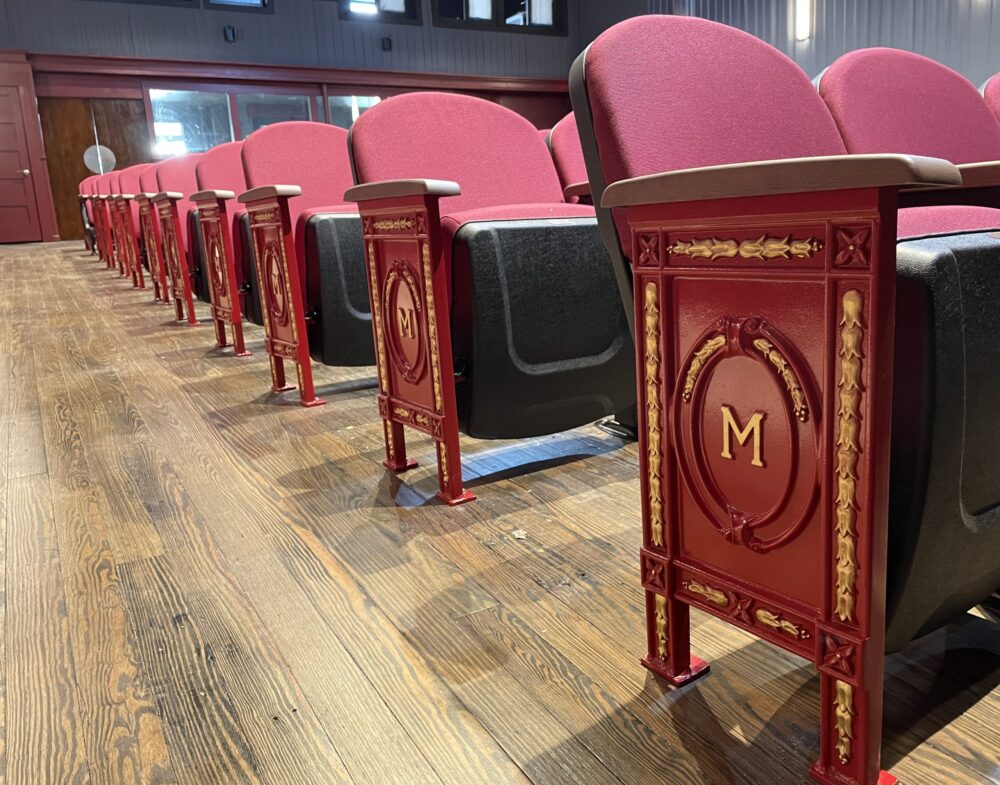
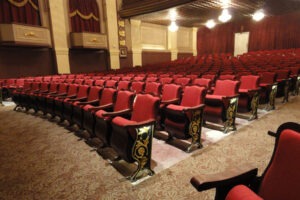
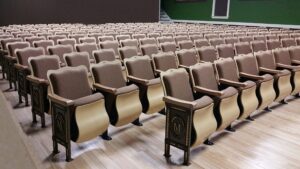 Restoration demands skilled artisans to repair plaster, restoration of murals, or recreate vintage light fixtures. And yes, the same level of craftsmanship applies to the seating. Original cast-iron aisle standards, decorative wood backs, and classic upholstery patterns contribute to the charm—and they can often be preserved or replicated.
Many theater owners opt for a hybrid solution. That means retaining certain signature features—like cast aisle standards or brass number plates—while upgrading the padding, springs, and framework. This allows you to maintain the venue’s historical integrity while delivering the comfort modern patrons demand.
Preferred Seating and similar manufacturers often offer custom solutions for this exact scenario. For example, they may reuse aisle panels and armrests while installing entirely new and or refurbished backs and seats that match the original visual theme. This approach not only protects historical character—it can also dramatically cut costs and turnaround time.
And what if your theater is an official landmark? The rules are even more strict. Restoration plans must often be reviewed by preservation boards. That’s where documentation, expertise, and a strategic partner with historic theater experience become invaluable.
Downtime Doesn’t Have to Be Dead Time
Let’s talk money. And time. Because in the theater world, those two are tightly intertwined.
Every day your theatre is closed for renovations, you’re losing ticket revenue. That’s a scary thought, especially for nonprofit venues that already operate on shoestring budgets. But downtime also presents a rare window of opportunity to tackle multiple upgrades at once.
When auditorium seats are removed for restoration or replacement, the venue is effectively a blank slate. Use that chance to update carpeting, repaint interiors, overhaul lighting systems, or even tackle backstage improvements. Smart planning can turn what feels like a painful pause into a strategic refresh.
Companies like Preferred Seating can complete refurbished seating projects in as little as 30 days—one of the fastest in the industry. That speed allows theater owners to minimize downtime while maximizing improvements.
And if funding is an issue (which, let’s face it, it usually is), organizations like The League of Historic American Theaters, National Trust for Historic Preservation and state arts council offer grants. Just know that these grants often come with strings—like requirements to retain original features. That’s where hybrid solutions really shine: they offer compliance, comfort, and character, all while staying budget-conscious.
Plan Smart, Spend Smarter
 Restoration isn’t just about bringing something old back to life—it’s about future-proofing it, too.
Before swinging a single hammer or pulling out a single row of auditorium seats, create a detailed project plan. This should include:
- A professional seating assessment
- A building code audit
- A cost-benefit analysis comparing restoration vs. replacement
- A timeline coordinated with your production calendar
- Discussions with local officials and historic preservation boards.
Think of it as choreography: you need every piece to hit its mark so the final performance—your reopened, revitalized theater—is met with applause.
And don’t forget your audience. What do your patrons value? Historic charm? Luxurious comfort? Intimate ambiance?
Determine your restoration objectives by considering their experience. After all, it’s their repeat visits that’ll keep the lights on.
Working with a trusted vendor—like Preferred Seating—means you’re not in this alone. They bring technical knowledge, product solutions, and years of experience to the table, all of which streamlines your restoration while avoiding common mistakes.
Curtain Call
Renovating a historic theater is not for the faint of heart. It takes vision, grit, creativity, and often, a lot of compromise. But the payoff? It’s immense.
Imagine welcoming a full house into your beautifully preserved venue, watching eyes widen as the lights dim, hearing the collective gasp as the curtain rises. You’re not just offering a night of entertainment—you’re offering a connection to history. And thanks to thoughtful choices around seating, layout, and preservation, that experience can be just as comfortable and inclusive as it is enchanting.
Start with refurbished and or new seats when considering revitalizing a historic theatre. When you do, it’s important to remember that—from ADA compliance to aesthetics—you’re already halfway to a standing ovation.


Try Veo 3
19 Jun 2025I really appreciate how you’re incorporating seat restoration into your services. It’s not only cost-effective but also an environmentally friendly option for venues looking to maintain a classic look.