



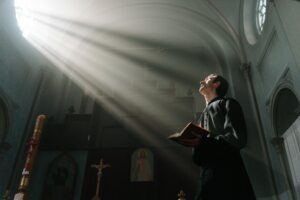
 When you walk into a sacred space, your senses immediately respond—soft candlelight, hushed voices, stained glass reflections. But perhaps one of the most overlooked elements in a church is also one of the most important: the chairs. Church sanctuary chairs do far more than provide a place to sit. They form the quiet framework that supports worship, creating a physical connection to centuries of religious tradition. Yet as time passes, these chairs—like all material things—wear down. And when they do, it takes more than just a hammer and nails to bring them back to life.
We’ll take a closer look at what it takes—from challenges to core principles—to successfully restored church chairs. We’ll dive into what it means to preserve authenticity while adapting for durability, and why this balance is essential for today’s worship spaces.
The Role of Chairs in Worship and Sanctuary Design
Chairs within a church sanctuary aren’t just furniture. They’re spiritual tools that serve the faithful. Whether it’s during sermons, music, prayer, or Holy Communion, these chairs enable believers to engage fully in worship. Over the decades, styles like Gothic arches or Baroque carvings have been incorporated into seating to reflect theological beauty and architectural harmony.
The craftsmanship and materials of older chairs often mirror the character of the sanctuary they inhabit. Oak with hand carvings, velvet upholstery, or brass fittings may be more than aesthetic choices—they are tangible expressions of devotion. But time is unkind to even the most finely built seating. Wood splits. Cushions lose form. Finishes dull. Eventually, churches must face a pivotal decision: restore or replace?
Common Restoration Challenges in Church Seating
Technical Constraints
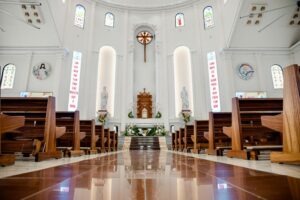 Restoring aged seating in a church sanctuary comes with its own set of technical puzzles. Many older chairs were constructed with natural finishes like wax or shellac that don’t bond well with modern fire-retardant coatings. New standards demand fireproofing, anti-infestation treatments, and structural reinforcements that didn’t exist 100 years ago.
Additionally, high-quality restoration can be cost-prohibitive. Material sourcing, professional craftsmanship, and special equipment all require investment. Doing it right often means balancing budget constraints with a commitment to preserving heritage.
Ethical Considerations
Another challenge lies in the fine line between restoration and reinvention. Go too far with modernization and you risk stripping away the historic soul of the piece. Over-polishing, synthetic materials, or altering the design to meet fleeting trends can unintentionally erase decades of spiritual history.
Moreover, churches must tread carefully when borrowing from sacred aesthetics. Reproducing religious motifs without context could inadvertently result in cultural insensitivity. That’s why it’s vital to approach church seating restoration with humility and care.
Embracing Authenticity in Chair Restoration
Restoring Meaning, Not Just Materials
Authenticity in church sanctuary chair restoration is about more than using old-looking wood. It involves a deeper respect for the original story each seat tells. Aging signs like fading, patina, and minor scratches often hold spiritual weight, bearing witness to generations of prayer and praise.
Practical Ways to Preserve Authenticity
- Research First: Start by examining archival photos, architectural drawings, and previous restoration notes. This ensures you restore not from guesswork, but grounded knowledge.
- Use Matching Materials: If the original chairs were oak, try sourcing reclaimed oak or finish new wood to match the tone.
- Honor Traditional Craftsmanship: Hand carving and joinery should mirror the original construction. Machine-perfect finishes may look clean but lack the soul of hand-done work.
- Conserve Rather Than Replace: Don’t erase every sign of aging. Instead, stabilize it. A seat with slightly worn edges may be more meaningful than a brand-new replica.
Building Durability Into Restored Seating
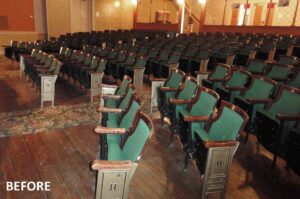 Churches today serve diverse, multi-generational congregations. Their sanctuary chairs must not only last—they must be comfortable, safe, and easy to maintain.
Strength Through Modern Materials
- Wood Treatments: Anti-corrosion, fire-retardant, and insect-proof coatings extend the life of wooden seats without altering their appearance.
- Structural Connectors: Concealed stainless steel bolts or brackets can add strength while maintaining a traditional look.
Adapting to Modern Conditions
- Humidity & Temperature Control: Climate fluctuations can warp wooden chairs. Moisture-resistant wood and vapor barriers help reduce that risk.
- Fire & Acoustic Safety: Fireproof padding and noise-absorbing materials make sanctuaries safer and more serene.
Sustainability in Focus
- Reuse Where Possible: Rehabilitating frames or replacing only parts preserves original elements and reduces waste.
- Eco-Friendly Materials: Use low-VOC finishes, water-based paints, and responsibly sourced wood to lessen environmental impact.
Comfort & Maintenance
- Ergonomic Enhancements: Subtle improvements like better cushion density or adjusted seat angles can make long worship services more comfortable.
- Modular Design: Designing for easy disassembly helps staff replace worn components without calling in specialists.
Recommended Seating Solutions for Modern Worship Spaces
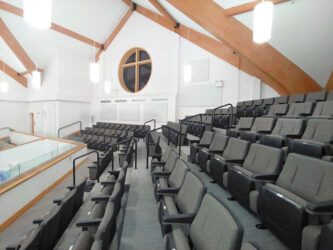
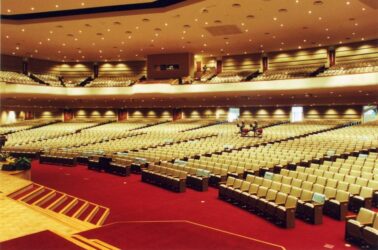
At Preferred Seating, we’ve developed a line of sanctuary chairs that honor tradition while embracing the needs of modern worshipers. These seating options align with the principles of durability, authenticity, and sustainability.
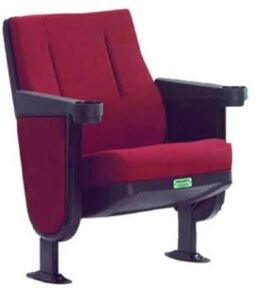 The Classic Auditorium Seat
This option blends traditional beauty with functional upgrades. High-impact backs, tip-up seats with quiet hinges, and integrated book racks make it both elegant and practical.
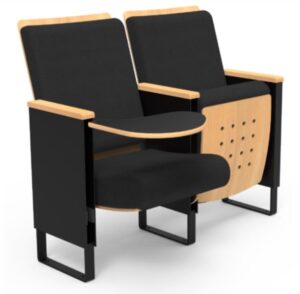 Arcadia Plus Wood LS-20603W
Perfect for sanctuaries where space is limited, this model includes a hidden writing tablet for sermon notes and compact wood framing to maximize seating capacity.
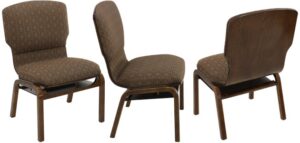 The Multipurpose Portable Meridian Chair
Designed for flexible seating arrangements, this chair features ergonomic contours, backrest storage, and the ability to link with nearby chairs, creating a cohesive and tidy seating layout.
Final Thoughts: Restoring More Than Just Chairs
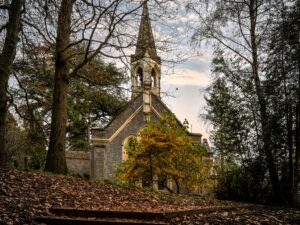 The restoration of sanctuary chairs involves more than simple maintenance. It’s a spiritual responsibility. The balance between preserving history and adapting to today’s needs requires patience, skill, and vision. Chairs are silent witnesses to countless sermons, weddings, and baptisms. Restoring them means giving future generations a place to experience faith just as deeply.
By choosing thoughtful materials, honoring traditional techniques, and embracing innovations, your church can create a seating space that honors tradition while meeting modern needs. It’s not just about chairs—it’s about building a sanctuary where worship, community, and history come together in every seat. Reach out to the team at Preferred Seating today to discuss your seating needs.

Veo 3 API
30 Jul 2025It’s great to see such a comprehensive breakdown of seating solutions tailored to different venue types. The mention of seating restoration is especially interesting—there’s a lot of value in refurbishing quality pieces rather than replacing them outright, especially for historical or budget-conscious venues.