




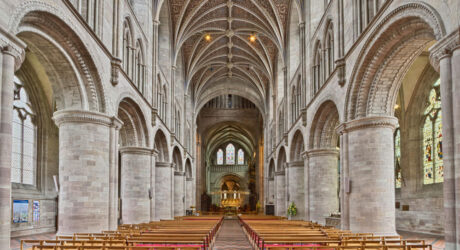
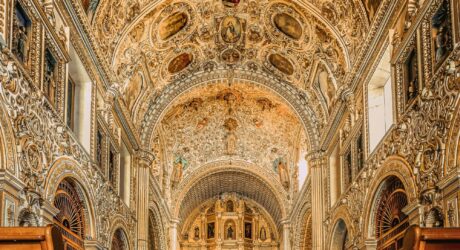

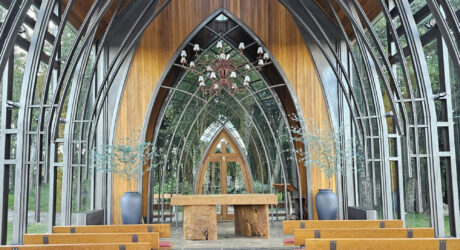
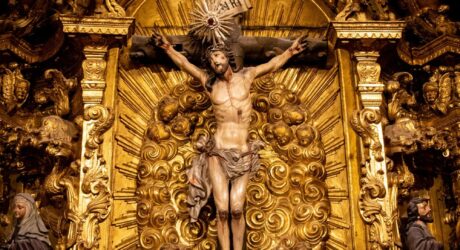
There’s a feeling that washes over you when you enter an old church—the quiet reverence of time, a peaceful warmth and the soft echo of songs once lifted toward stained-glass heavens. These are more than buildings; they’re sacred foundations that hold centuries of faith, struggle, and renewal. But as time moves forward, even the most revered seasoned churches face a pressing question: how do we preserve the past while embracing the future?
In a world where congregations shrink and buildings age, many church communities are confronted with both emotional and logistical decisions. This article explores the vital importance of restoration, the evolving role of sanctuaries, and the ways in which modern seating, vibrant worship, and resilient congregations are giving new life to old walls. If you’ve ever wondered what stories lie behind the arches and altars of America’s weathered churches—or how to protect them for the next century—this is for you.
Echoes of Time: Why Traditional Churches Still Matter
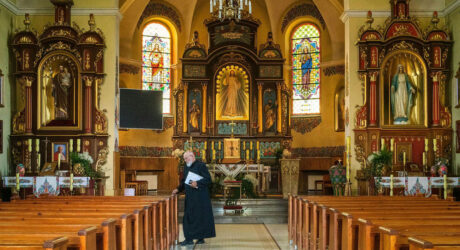
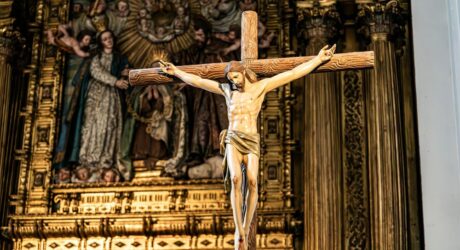
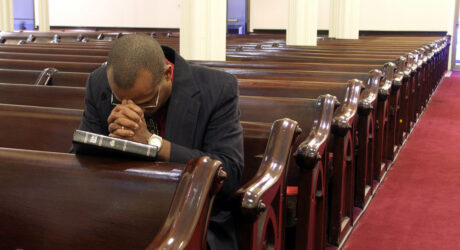
There’s something deeply spiritual about walking into a centuries-old church. The quiet creak of the pews. The hand-chiseled stone. The knowledge that others—perhaps your own ancestors—once knelt on the same floor in moments of joy and grief.
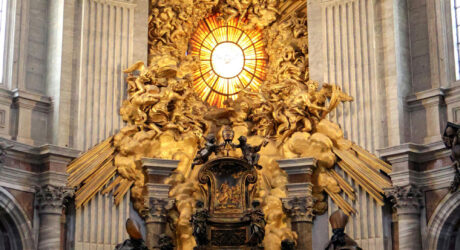
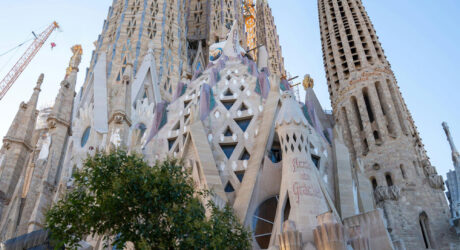
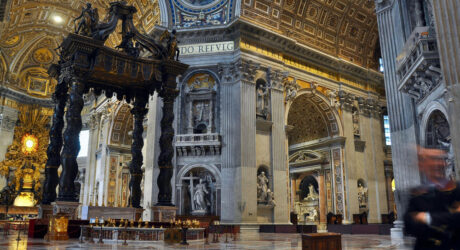
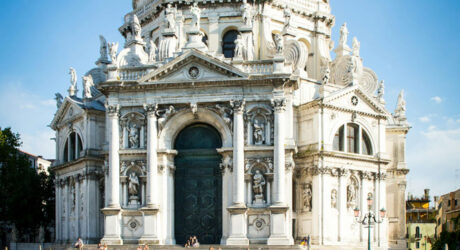
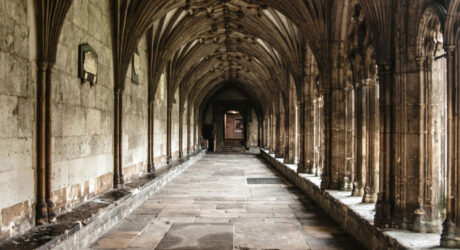
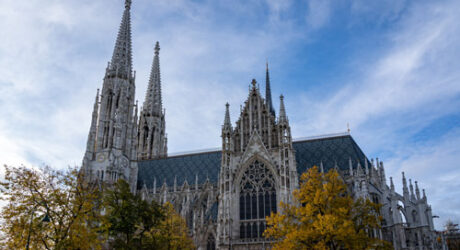
Vintage churches are not just architectural relics; they are vital markers of cultural identity. Each one tells a unique story shaped by local traditions, immigration patterns, community values, and theological shifts. From towering Gothic cathedrals to humble wooden chapels, these buildings have long served as the spiritual and social heartbeat of their towns.
But time hasn’t been kind to all of them. Deferred maintenance, weather damage, and declining attendance have left many of these once-bustling sanctuaries in danger. What’s more, the cost of restoration—though often worth every penny—is a burden too great for some small or aging congregations.
Still, there is hope. Around the country, a growing number of faith leaders, nonprofits, and preservationists are rolling up their sleeves to breathe new life into these spaces. Because when you restore a church, you’re not just fixing bricks—you’re preserving a legacy.
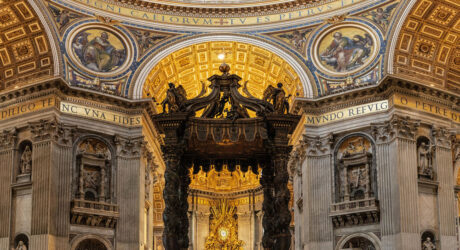
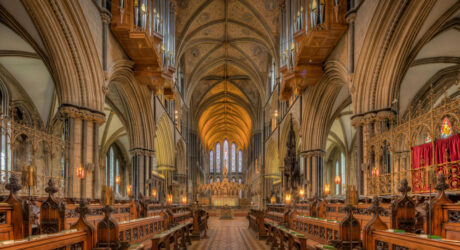
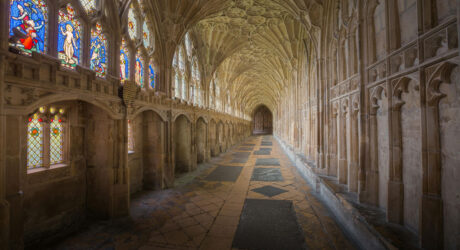
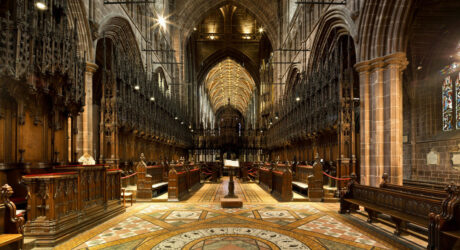
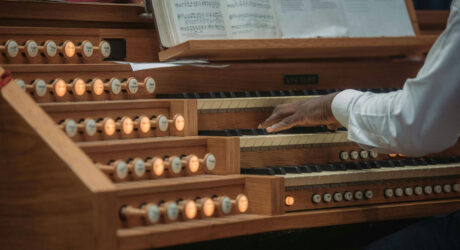
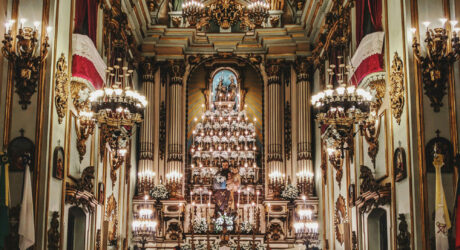
Church Restoration with Purpose: The Art of Healing Sacred Spaces
Let’s be honest—restoration isn’t just about patching leaks or rewiring a building. It’s about asking, “What do we value enough to save?”
Faith communities face hard choices. Does the original stained glass stay, or do energy-efficient windows take its place? Do you preserve the original seating configuration or opt for something more flexible to meet modern needs?
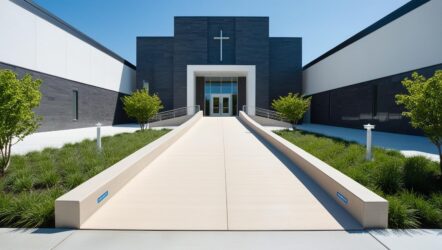
Smart restoration walks a careful line between tradition and transformation. For example, some sanctuaries now feature retractable seating systems that allow the space to double as a fellowship hall or concert venue. Others have installed climate control systems, ADA-compliant ramps, and sustainable lighting—ensuring the building remains not just a symbol of faith but a tool for ministry.
One particularly inspiring example comes from a 150-year-old church in rural Ohio. With only 40 members left, the congregation struggled to maintain their towering brick sanctuary. Rather than sell it off, they launched a community-wide restoration effort, partnering with local artisans and businesses. Today, that same church hosts weddings, civic events, food drives, and weekly worship, with a renewed sense of purpose.
The takeaway? When done thoughtfully, restoration becomes an act of faith in itself.
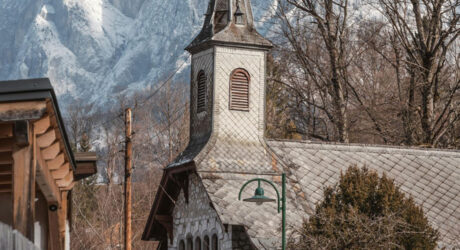
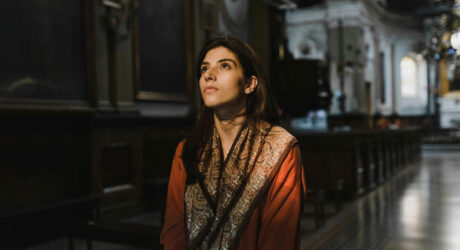

Rethinking Church Seating: Purpose, Comfort, and Flexibility
Have you ever sat in a pew that felt like a medieval torture device? You’re not alone. While many traditional churches boast awe-inspiring architecture, their original seating can be—how do we put this kindly—less than comfortable.
Modernizing seating is one of the most debated aspects of restoration. Some purists argue that replacing antique pews erodes the worship space’s character. Others insist that updating with fixed auditorium seating is essential to making the space welcoming and usable.
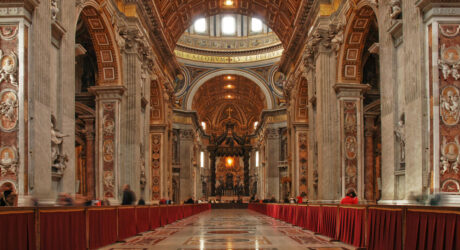
The key is balance. Many churches now opt for high-quality, wood-finish chairs that mimic the feel of pews but offer better ergonomics and flexibility. The upgrade enhances comfort while also making the space more accessible to seniors and individuals with physical limitations.
Portable seating also allows worship spaces to be transformed throughout the week—from Sunday worship to midweek yoga classes, support groups, or youth nights. In this way, seating becomes part of the mission—not a barrier to it.
If you’re part of a traditional congregation, don’t underestimate the power of a chair. It might just help someone stay a little longer, listen a little more deeply, and feel a little more at home.
Worship Reimagined: Preserving the Heartbeat of the Church
You can replace windows. You can update floors. But worship—that’s the heartbeat of every congregation.
As society evolves, so does the way people engage in faith. Traditional hymns may give way to guitar-led praise, and robes may be swapped for jeans. But the core desire for connection, meaning, and transcendence remains the same.
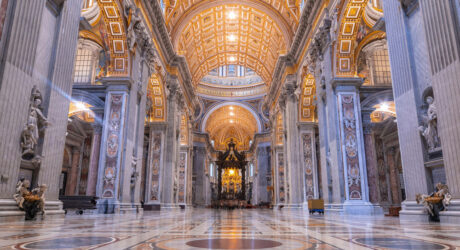
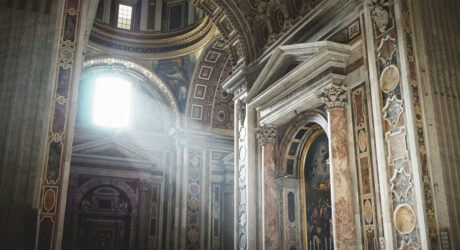
In aged sanctuaries, worship takes on a unique flavor. The acoustics, the architecture, the light streaming through stained glass—all contribute to an atmosphere that elevates the soul. But to preserve this sacred energy, communities must adapt.
Some sanctuaries now feature integrated audio-visual systems, making livestreaming and hybrid services seamless. Others host ecumenical gatherings, interfaith dialogues, or community events that welcome a broader audience.
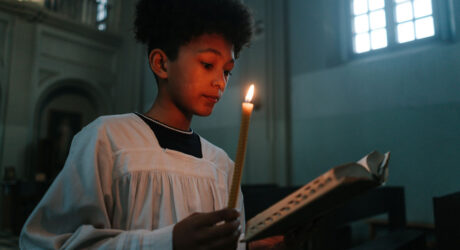
The goal isn’t to dilute tradition—it’s to expand its reach. Whether it’s a candlelit Taizé service or a digital prayer group, worship should reflect both the heritage and the hopes of the congregation.
Remember: the building is the frame. Worship is the masterpiece.

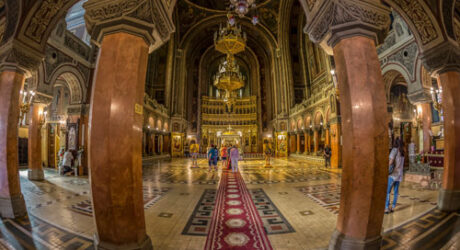
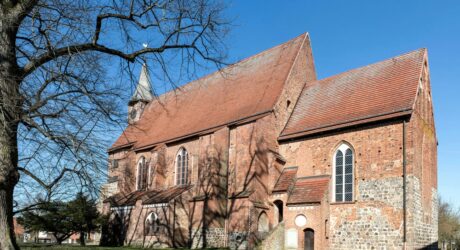
Congregations at the Crossroads: Finding New Purpose Together
Perhaps the most important part of saving vintage churches isn’t the bricks or beams. It’s the people inside them.
A congregation is more than Sunday attendance. It’s a tapestry of lives—of casseroles delivered in hard times, of youth retreats, baptisms, choir practices, and whispered prayers in darkened pews. And when a church is struggling, the congregation feels it in their bones.
Yet, this moment of challenge can also be one of reinvention.
Churches across the country are forming creative partnerships—with housing developers, local theaters, nonprofit groups, and even breweries—to share space, offset costs, and reenergize their mission. By seeing their sanctuaries as assets instead of burdens, congregations can reimagine what faith in action looks like.
One urban church in Pennsylvania now operates a soup kitchen in its former parish hall, serving 1,000 meals a week. Another in California turned unused Sunday school rooms into affordable office space for start-ups and counselors. These innovations aren’t signs of decline—they’re signs of life.
The reality is, a congregation’s true strength isn’t found in where people sit, but rather in its spirit.
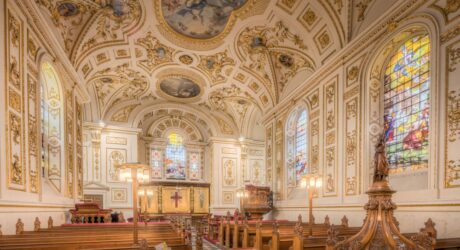
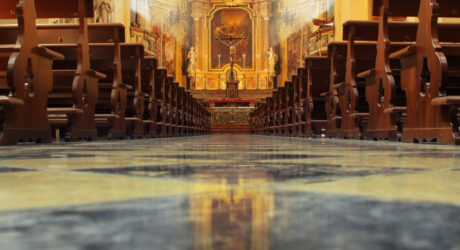
The Future Is Built on Sacred Foundations
Preserving vintage churches isn’t just about architecture. It’s about legacy. It’s about resilience. It’s about honoring the faith of those who came before while making room for the seekers yet to come.
Every beam, bench, and bell tower tells a story. And with intentional restoration, flexible seating, evolving worship, and a courageous congregation, these stories can continue for generations.
So whether you’re a leader, a community member, or simply someone who loves sacred spaces, consider what role you might play in this movement. Support a fundraiser. Share your church’s story. Advocate for historic preservation in your town.
Because behind every sanctuary wall is a sacred foundation—and it’s up to us to honor it, refine it, and most importantly, let it glow.



AI Music Generator
30 Jul 2025The mention of used seating and restoration caught my eye — it’s encouraging to see repurposing considered as a practical option, especially in larger venues. Sustainability often gets overlooked in facility design, so this is a welcome angle.