



The Transformation of Iconic Stadiums: A Look at Renovation Case Studies
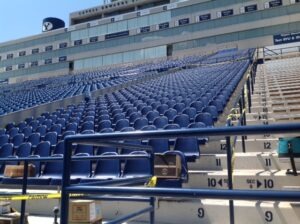 Stadiums are more than just large buildings; they are the heartbeats of communities, the backdrop to thrilling events, and landmarks that often define cities. However, as times change, so must these iconic venues. The restoration projects revive these historic sites, preserving their heritage while also meeting contemporary needs.
Walk into any modern stadium today, and you’ll likely be struck by the crisp rows of high-capacity, ergonomic seating, integrated cup holders, and even USB charging ports tucked behind the armrest. Now rewind a few decades. That same stadium might have once held rusting bleachers, cramped benches, or uncomfortable plastic chairs with fading colors and creaky joints. What changed? A full-on seating renovation—and it’s not just about aesthetics.
Across the globe, sports venues and theatres are undergoing dramatic transformations. From local athletic fields to international arenas, stadium refurbishment and entertainment projects are revitalizing the spectator experience and increasing venue value. And guess what? These makeovers aren’t just about replacing worn-out seats; they’re strategic upgrades impacting everything from revenue generation to fan satisfaction.
This article explores real-world case studies of stadium seating renovation projects. We’ll highlight what these transformations looked like before and after, dive into the challenges and breakthroughs, and give you a front-row view of how you can help your venue go from outdated to outstanding.
The Business Case for Seating Renovation
Let’s kick things off with a hard truth: uncomfortable or outdated seating can ruin a fan’s experience. And when that happens, revenue takes a hit. Just how much return can seating upgrades generate? Quite a lot, it turns out.
First, modern stadium seating isn’t just more comfortable—it’s more profitable. High-capacity options with improved layout designs allow venues to seat more people without sacrificing comfort. Integrated features like cup holders, seat numbering systems, and accessibility enhancements lead to smoother operations and happier guests.
Second, stadium refurbishment often coincides with broader facility upgrades, such as improved lighting, better acoustics, or expanded concourses. But the seating transformation usually steals the show—it’s what fans notice first and interact with the most.
In many cases, stadiums partner with experts like Preferred Seating to not only deliver top-tier chairs but also redesign the layout, suggest optimal seat spacing, and ensure compliance with modern safety and accessibility codes.
Case Study 1: Wrigley Field: Honoring Tradition, Embracing Modernity
 Among the most famous and important stadiums worldwide, Wrigley Field is where the Chicago Cubs play their home games, is one of the most beloved and historic ballparks in the country. However, in 2014, it embarked on a major renovation project that aimed to modernize the stadium without sacrificing its classic charm. The goal was to enhance the fan experience, improve player facilities, and ensure the stadium met the evolving standards of today’s sports venues.
Key Renovations
- Seating Renovation: The upper deck seating was completely replaced with more comfortable chairs, improving both comfort and accessibility. Premium seating areas, such as suites and clubs, were expanded to offer a more luxurious experience for high-end ticket holders. Additionally, the seating design was carefully crafted to maintain Wrigley’s old-school aesthetic while enhancing sightlines for modern fans.
- Technology Integration: In today’s digital age, technology is crucial for fan engagement. Wrigley Field’s renovation included the installation of a state-of-the-art video board and the improvement of Wi-Fi connectivity throughout the stadium. Modern scoreboards were added to keep fans informed and engaged during the game.
- Restrooms and Concessions: Gone are the days of outdated and cramped facilities. The renovated Wrigley Field features upgraded bathrooms and expanded food options, making it a more comfortable environment for all attendees.
- Player Facilities: Not just for the fans, the renovation also included upgraded locker rooms and training facilities. These improvements were essential in meeting the demands of today’s professional athletes.
Outcome
The Wrigley Field renovation successfully preserved the charm and history of the stadium while introducing cutting-edge amenities. By combining classic design with modern convenience, the Cubs’ residence remains one of the most iconic and beloved venues in Major League Baseball.
Case Study 2: Mercedes-Benz Stadium: A Model for Modern Sports Venues
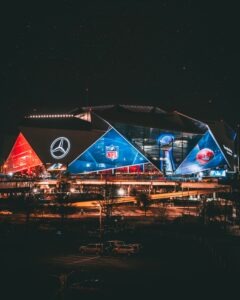
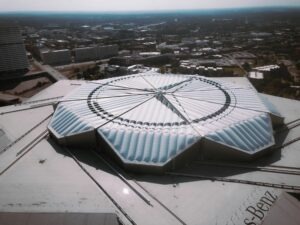 Opened in 2017, Mercedes-Benz Stadium in Atlanta replaced the Georgia Dome as the home of the Atlanta Falcons and Atlanta United FC. From its retractable roof to its fan-centric design, the stadium was built with flexibility and sustainability in mind.
Key Features
- Retractable Roof: One of the most groundbreaking features of Mercedes-Benz Stadium is its retractable roof. In just 12 minutes, the stadium can open its roof and accommodate both outdoor and indoor games. It’s a perfect example of how modern technology can enhance both functionality and the fan experience.
- Seating and Sightlines: The stadium’s seating bowl was designed to improve sightlines for all attendees. Its circular design ensures that every fan has a good view of the action, while premium seating areas, including suites, lounges, and club seats, offer an exclusive experience for those looking for a more luxurious outing.
- Fan-Centric Design: Mercedes-Benz Stadium is built with the fan in mind. The 360-degree display and large video boards offer immersive viewing experiences that keep fans engaged. The design also focuses on crowd flow, ensuring that attendees can easily navigate the stadium and access amenities.
- Sustainability: A key focus of the stadium’s design was sustainability. It became the first major professional sports venue in the U.S. to achieve LEED Platinum certification. Features like water-saving fixtures, energy-efficient lighting, and a rainwater collection system contribute to the stadium’s eco-friendly design.
Case Study 3: The Rose Bowl: A Legacy of Excellence
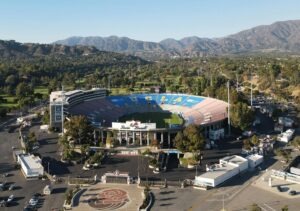 The Rose Bowl in Pasadena, California, is an iconic venue that has been hosting major events since 1922. Known for its grandeur and tradition, the stadium underwent significant renovations starting in 2010 to ensure that it could continue to meet the demands of modern sports and entertainment.
Key Renovations
- Seating and Sightlines: One of the primary focuses of the renovation was the seating. New seats were installed to improve comfort and accessibility. The renovation also included improvements to sightlines, such as making it possible for fans to see the field without any obstructions.
- Safety and Accessibility: To comply with ADA regulations, the Rose Bowl’s renovation included expanded walkways, accessible seating, and upgraded restrooms. These changes ensured that the stadium was safe and inclusive for all fans.
- Modernized Amenities: The Rose Bowl’s suites, lounges, and concourses were all updated to meet modern expectations. More food and beverage options were introduced, and luxury seating areas were added to accommodate premium ticket holders.
- Structural Improvements: The renovation also reinforced key structural elements of the stadium, including the iconic concrete bowl. These upgrades were crucial for extending the stadium’s lifespan and ensuring the safety of future generations of fans.
Outcome
By updating the stadium, which was once a beloved historic landmark, the Rose Bowl project maintained its historical significance. With upgraded seating, enhanced amenities, and improved safety features, the Rose Bowl remains one of the most iconic and sought-after venues for major sporting events.
Case Study 4: College Stadium Goes from Bleak to Bleacher Brilliance
Before:
Southside University’s football stadium was stuck in the past. Wooden bleachers—many with cracked slats—ran along both sidelines, and accessibility was nearly nonexistent. Fans voiced their grievances about back pain, splinters, and narrow walkways.
The stadium’s 1960s-era design hadn’t aged gracefully.
The Challenge:
The university wanted a full seating renovation, but with tight funding and historical architecture constraints, there were concerns about how far the transformation could go. They also needed to expand capacity to meet growing student attendance.
The Solution:
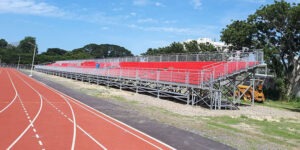
All wood benches were exchanged for powder-coated aluminum bleachers with backrests and improved structural components. ADA-compliant platforms and ramps were added along the midline, and rows were spaced wider to improve comfort and accessibility.
After:
The stadium now boasts a sleek, uniform look with expanded capacity and improved fan flow. Students rave about the comfort, and alumni feel proud again bringing their families to games. Even visiting teams commented on the improved professionalism of the venue.
This refurbishment wasn’t just cosmetic—it made the stadium safer, more accessible, and more revenue-generating. A true win-win.
Case Study 5: Pro Arena Trades Plastic Seats for Premium Comfort
 Before:
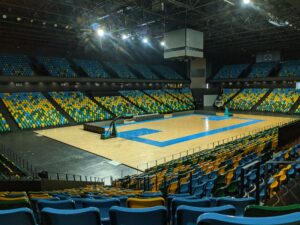
A basketball arena had reached the tipping point. The original molded plastic seats installed in the late ‘80s were worn, discolored, and frankly, uncomfortable. Fans were posting complaints on social media, and season ticket renewals had begun to dip.
The Challenge:
This stadium needed more than a basic facelift—it needed a transformation to match the team’s modern branding and high-performance ethos. Luxury seating had to be incorporated without reducing overall capacity.
The Solution:
To coordinate the seating renovation, the arena sought the assistance of a expert seat supplier and consultant. Together, they rolled out a three-phase seating refurbishment strategy. First, they upgraded general admission seats to contoured ergonomic chairs with cushioned backrests, seat pans and armrests. Then, they reconfigured sections of the arena to add premium club-level and courtside seating—complete with charging ports and VIP access.
After:
Fan satisfaction soared. Season ticket renewals rebounded. Corporate sponsorship for luxury boxes even increased due to the upgraded seating appeal. The stadium’s interior now reflects the quality of the game itself, proving that seating transformation can enhance both perception and profit.
Case Study 6: High School Stadium Reinvents Its Identity
Before:
Sun Valley High had a proud football tradition—but their stadium didn’t reflect it. With faded paint, broken benches, and unsafe walkways, the field’s bleachers became more of a liability than a landmark.
The Challenge:
The school needed a full seating renovation on a shoestring budget. Safety and community pride were top priorities, and the project needed to be completed before the fall season kicked off.
The Solution:
A seating supplier offered a modular bleacher system that was both cost-effective and quick to install. Aluminum benches with color-coordinated accents in school colors replaced the crumbling wood. Railings, ADA ramps, and expanded aisles were added for safety and compliance.
After:
The transformation was more than physical. Students felt school spirit soar, and community members returned to support home games in droves. It went beyond upgrading the stadium—it transformed community identity.
The Power of Stadium Renovations
 Each of these case studies—highlights the importance of balancing tradition with innovation. Renovating a stadium is not just about updating the infrastructure; it’s about creating an experience for fans that is both modern and comfortable while respecting the legacy of the venue. As we’ve seen in these examples, the transformation of these iconic stadiums has not only enhanced fan engagement but also ensured their longevity, allowing them to continue serving as the heart of their respective cities.
Stadium renovations are a testament to the fact that even the most historic venues can evolve with the times. Whether it’s through improved seating, cutting-edge technology, or sustainable design, these renovations prove that the future of sports and entertainment venues is all about providing fans with the best possible experience. Adaptive technology and fan expectations are driving change in stadiums. ensuring that these iconic venues remain relevant for generations to come.
Common Threads in Successful Seating Renovation Projects
Across these diverse stadium installations, some consistent principles stand out:
- Function + Comfort = Fan Retention: Comfortable seats don’t just help fans enjoy the game—they make them want to come back.
- ADA Compliance is Non-Negotiable: Every transformation included seating that accommodated all fans, regardless of physical ability.
- Seating Impacts Revenue: From ticket prices to food sales, stadium seating plays a massive role in how much money a venue can bring in.
- Time-Sensitive Execution Matters: Whether upgrading a high school field or a pro arena, on-time delivery before the season starts is crucial.
- Partnering with Experts Pays Off: Seating suppliers’ abilities to deliver smart, scalable seating solutions played a pivotal role in each successful makeover.
Planning Your Own Seating Transformation? Here’s What to Consider
Whether you’re a school board member, city planner, or stadium operations manager, here are key factors to keep in mind before launching your own seating renovation:
- Assess the Current Seating: Where are the pain points? What do fans complain about? Where are the maintenance issues?
- Identify Your Goals: Are you increasing capacity? Adding premium seating? Improving accessibility?
- Establish a Realistic Budget: Costs vary significantly depending on materials, seat type, and structural work.
- Think Long-Term: Durable seating that withstands weather, time, and trends will always deliver a better ROI.
- Choose the Right Partner: A trusted seat vendor like Preferred Seating offers design consultation, material expertise, and installation experience to ensure your seating transformation hits the mark.
Final Thoughts: Seating Renovation Is More Than Just a Makeover
 It’s easy to underestimate the power of a stadium’s seating. But as these case studies show, seating renovation is about far more than swapping out old chairs. It’s about revitalizing a fan or spectator base, restoring pride in a venue, and creating safe, comfortable, and profitable spaces for communities to gather.
In the world of sports and entertainment, every seat matters. From the bleachers to the box seats, mezzanine or main floor seats, thoughtful refurbishment makes a lasting impression. And if you’re ready to take the first step toward your own stadium transformation with upgraded seats you will find no better partner than Preferred Seating.
After all, the best games should have the best seats.


AI Music Generator
2 Jul 2025Really interesting to see how many venue types are supported—especially the emphasis on flexibility with portable and telescopic seating. That kind of adaptability seems essential for modern multipurpose spaces.