



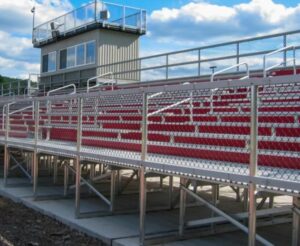
 Envision thousands of fans standing together, the sky glowing with evening light, and the grandstands buzzing with electrifying energy. Welcome to the age of bleacher brilliance, where form meets function in a powerful fusion of engineering and economics. At the heart of this revolution? Aluminum bleachers. Sleek, sturdy, and surprisingly versatile, aluminum has become the MVP of stadium seating—and not just for its shiny finish.
In this article, we’re diving deep into what makes aluminum the smart choice for modern venues. From its structural strength to long-term savings and design adaptability, this isn’t just about choosing a seat—it’s about choosing smart, sustainable infrastructure. So grab a spot (hopefully on an aluminum bleacher), and let’s get started.
A Lightweight Champion: The Structural Strength of Aluminum Bleachers
Let’s talk metal. When designing stadium seating, the material you choose has to withstand thousands—sometimes tens of thousands—of fans jumping, stomping, and celebrating all at once. That kind of demand would overwhelm most materials, but aluminum takes it in stride.
Why? Because aluminum is deceptively strong. Though it weighs only about one-third as much as steel, it packs a powerful punch when it comes to structural strength. Its impressive balance of strength and lightness makes it a smart choice where durability is key but heaviness is a drawback. It’s like hiring a bodybuilder who can run a marathon.
In practical terms, this means aluminum bleachers don’t just stand up to everyday wear—they thrive under pressure. Aluminum holds up through extreme temperatures, staying free of cracks, warps, or rust all year long. This resistance to environmental stressors is critical for outdoor stadiums, where conditions can be unpredictable.
And there’s another hidden perk: fewer structural supports are needed, which means clearer sightlines, fewer obstructions, and a cleaner overall design. That’s a win for architects, engineers, and, most importantly, fans.
Dollars and Sense: The Economic Edge of Aluminum Bleachers
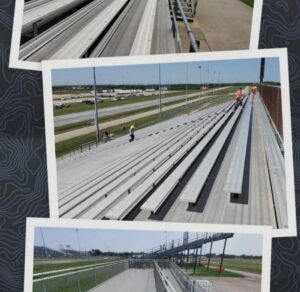 Let’s be honest: budgets matter. Whether you’re upgrading a high school stadium or constructing a pro-level arena, cost-effectiveness is key. And here’s where aluminum bleachers score big.
Even though it may cost a little more upfront compared to materials like untreated steel or wood, aluminum pays for itself many times over. Why? Because it demands minimal maintenance. Say goodbye to constant painting, sanding, and sealing. Aluminum doesn’t rust, doesn’t rot, and doesn’t require chemical treatments to stay looking good.
That means fewer repairs, fewer replacements, and fewer headaches.
Even better, aluminum is recyclable. That’s right—when it’s time for an upgrade, your old stadium seating can be repurposed, which reduces disposal costs and environmental impact. You’re not just saving money—you’re also investing in sustainability. That’s a double win.
And don’t forget installation. Thanks to its light weight, aluminum is easier and quicker to install than heavier materials. Less labor time equals lower labor costs. Multiply that across a full stadium, and the savings add up fast.
Designing for the Future: Versatility in Modern Stadium Seating
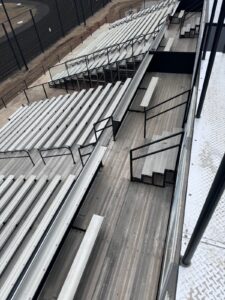
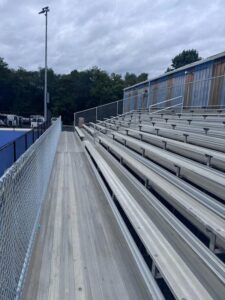 We’ve all seen those clunky bleachers that look like they were designed when bell bottoms were in style. Thankfully, we’ve evolved. Today’s stadiums are sleek, efficient, and fan-focused—and aluminum bleachers play a starring role in that transformation. Take a look at some bleacher installations for design ideas.
What makes them so adaptable? For starters, aluminum is incredibly easy to shape and customize. Whether you’re building permanent stadium seating for a professional sports team or temporary risers for a local track meet, aluminum can meet your needs. It can bend (literally and figuratively) to your vision.
Need seating that folds up to save space? No problem. Want integrated guardrails, media platforms, or ADA-compliant access? Done. Aluminum’s flexibility allows designers to incorporate modern amenities and safety features without compromising strength.
And for multi-use venues, modular tip n roll aluminum bleacher systems offer a major advantage. You can reconfigure them based on the event—concerts, games, graduations—and always maintain a polished, professional look.
So if you think aluminum is all stiff and industrial, think again. This material’s got style.
Safety First, Always: Compliance and Peace of Mind
Here’s the thing about stadium seating: it’s not just about packing people in. It’s about doing so safely. And aluminum gives you the best tools to do just that.
Modern building codes and safety regulations—from the International Building Code (IBC) to the Americans with Disabilities Act (ADA)—are strict for good reason. Lives are on the line. Fortunately, aluminum construction makes it easier to meet and exceed these standards.
Because aluminum is precision-friendly, it supports detailed engineering—down to the last bolt. Load calculations can be exact, welds can be perfect, and structures can be built to withstand wind, weight, and time. Aluminum bleachers are often tested to rigorous safety standards and certified for structural reliability, ensuring they can bear high capacity loads with minimal risk.
Plus, features like non-slip treads, integrated aisles, and guardrails are standard with most modern aluminum systems. This isn’t just a “nice to have”—it’s critical for user confidence and venue liability.
If you’ve ever hesitated on a creaky old wooden bleacher, you’ll appreciate how solid aluminum feels underfoot. It’s a seat you can trust.
From High Schools to NFL: Where Aluminum Bleachers Shine
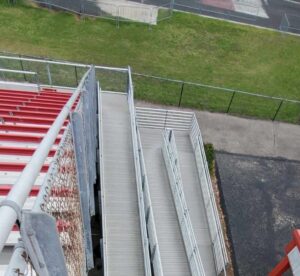 One of the best things about aluminum? It’s just as valuable on a small-town field as it is in a massive pro stadium. Its scalability makes it the go-to for virtually every type of venue.
Take high schools, for example. These institutions often operate on tight budgets but still need reliable seating that lasts. Aluminum offers a solution that’s low maintenance, long-lasting, and easy to install without breaking the bank. It’s an investment in school spirit and student safety. Perhaps school sponsors want VIP seating which is a great fundraiser.
On the other end of the spectrum, professional teams demand performance—and image. Aluminum provides both. From polished finishes to branded seat backs and VIP platforms, the possibilities are endless. With smart design, aluminum bleachers can blend seamlessly into elite stadium aesthetics while delivering top-tier function.
College campuses, community centers, racetracks, rodeo arenas—you name it. Wherever people gather to cheer, aluminum can handle the job. It’s that universal.
And let’s not forget temporary venues: music festivals, seasonal sports, political rallies. Portable aluminum seating can be assembled and dismantled in record time, offering flexibility without compromise.
Smart, Strong, and Sustainable: Why Aluminum is the Future of Stadium Seating
 So, where does all this leave us?
At the intersection of innovation and practicality. More than simple seating, aluminum bleachers are a smart, structural solution for today’s venues. With their unmatched structural strength, economic value, and design flexibility, they check every box for modern stadium seating needs.
But beyond the specs and spreadsheets, aluminum represents a shift in how we think about public space. We’re no longer content with “good enough.” We want seating that’s safe, efficient, and stylish. We want options that respect budgets without cutting corners. We want materials that can handle the elements and evolve with our needs.
Aluminum’s true genius lies in its blend of durability and smart design. So next time you walk into a stadium and feel the crowd surge beneath you, take a moment to appreciate what’s holding all that energy together. It just might be a marvel of metal, built to last—and built from aluminum.

AI Video Generator
31 Jul 2025I appreciate how the site breaks down seating options by venue type—it’s helpful for facilities managers who are planning upgrades. The focus on telescopic and portable seating is particularly timely given how multi-use spaces are evolving.