



Stadium Design from Blueprint to Installation: A Timeline from Planning to Opening Day
From Blueprint to Bleachers:
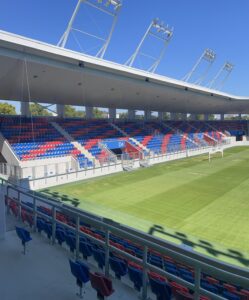 Imagine standing in a brand-new stadium, the fresh scent of steel and paint still in the air, rows upon rows of stadium seating gleaming under the lights, and not a single screw out of place. It’s easy to marvel at the final result—but behind every grandstand lies months, sometimes years, of strategic planning, hard decisions, and coordinated action. Stadium seating installation isn’t something that happens overnight. It’s a meticulously timed symphony involving designers, engineers, contractors, inspectors, and more. But how exactly does it all come together?
In this article, we’ll walk you through the full project timeline—from the first spark of an idea to the thrilling moment the ribbon gets cut. Whether you’re a facility manager planning your next venue upgrade or just curious about how these towering seating systems get built, this guide offers an insider’s view of the moving pieces. And yes, we’ll also unpack important terminology along the way—things like the IBC code, general contractors, and the stages of manufacturing that many people don’t think about until it’s too late.
So let’s take a seat—figuratively—and explore what it really takes to bring a stadium seating project to life.
Phase 1: The Design Stage – Where Ideas Become Blueprints
Everything begins with vision. Whether you’re building a massive stadium from scratch or revamping an aging facility, the design stage is where every detail is imagined, modeled, and approved.
This phase typically kicks off with a series of design charrettes—collaborative sessions between architects, engineers, and stakeholders to decide on seating capacity, sightlines, accessibility, and aesthetics. At the core of this phase is choosing the right stadium seating type. Are you installing bleachers for a high school? Fixed ergonomic chairs for an arena? Telescopic platforms for a multi-use venue?
But even more critical than visual appeal is compliance. That’s where the IBC code—short for the International Building Code—comes in. This code outlines strict standards for egress (emergency exits), structural integrity, fire resistance, and accessibility (such as ADA compliance). Misinterpreting or ignoring the IBC code can derail an entire project. So, at this early stage, code experts and compliance consultants are often brought in to guide decisions.
At the end of this phase, the project team will have architectural blueprints, seating specifications, and a preliminary project timeline—a critical document that maps out when each stage of the installation will occur. Without this roadmap, even the most well-funded project can fall into chaos.
Phase 2: Permitting and Approvals – Cutting Through the Red Tape
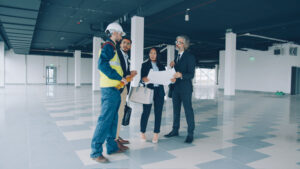 If you’ve ever renovated a home, you know how permits can slow things down. Now imagine trying to install 10,000 seats in a structure that holds 50,000 people. Every bolt, stairwell, and aisle must be reviewed and approved by city and state inspectors.
This phase involves submitting all design documents to local permitting offices for review. It’s not uncommon for reviewers to request changes—perhaps an aisle is too narrow, or the handrails don’t meet the latest IBC code updates. This back-and-forth can stretch for weeks or even months.
During this time, project begin lining up subcontractors, gathering bids from electricians, welders, and foundation experts. These contractors play a vital role in managing the day-to-day reality of your installation. Good ones keep the project timeline humming. Poor ones? Well, let’s just say schedule delays and cost overruns are often rooted in poor contractor coordination.
Pro tip: Always choose contractors with specific experience in stadium seating installation. General experience is not enough when dealing with load-bearing elevated platforms and steep incline safety considerations.
Phase 3: Manufacturing – Where Steel Meets Seat
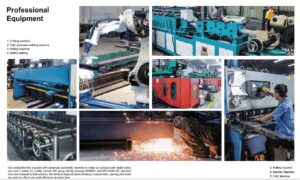 With permits in hand and designs approved, it’s time to build. This is the manufacturing phase—the heartbeat of the entire stadium seating installation process. This is when raw materials are transformed into seating modules, support beams, risers, and fasteners that will eventually be bolted into place.
Most manufacturers operate on a just-in-time system, producing components in batches and shipping them directly to the job site as needed. But here’s the catch: any delay in manufacturing—due to material shortages, shipping disruptions, or even a misplaced order—can ripple down the entire project timeline.Suddenly, your ribbon-cutting ceremony is moved back weeks.
It’s also important to note that seating is rarely “one-size-fits-all.” The stadium seating used in a small college field is vastly different from what you’d find in an NFL arena. This is where custom fabrication comes into play, further extending lead times.
Here’s a hypothetical: Imagine you’re ordering 5,000 seats with cup holders molded into the armrest. If the mold breaks mid-production, you’re looking at a delay that could jeopardize your entire schedule. That’s why experienced contractors often build in buffer time within the installation phase. They’ve seen it all.
And again, manufacturers must comply with the IBC code, especially regarding flame retardancy, impact resistance, and anchoring systems. Cutting corners here isn’t just risky—it’s illegal.
Phase 4: Installation – Assembling the Puzzle
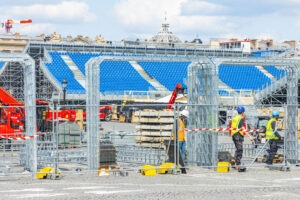 Now comes the heavy lifting—literally. Once the components arrive onsite, the installation team takes over. This is where all the months of preparation pay off—or fall apart.
Installers begin by anchoring the substructure to the concrete floor or foundation. Then they bolt in risers, platforms, and finally, the seats themselves. It’s a precise process that often involves cranes, torque wrenches, and sometimes 60-hour work weeks to stay on schedule.
Every piece must be installed according to spec, inspected, and signed off—often by both project managers and third-party inspectors. The IBC code plays an ever-present role here, ensuring that spacing, height, and load-bearing standards are met.
A common pitfall? Ignoring weather delays. A few days of rain can throw off an entire week’s worth of work. Smart project managers anticipate this and build weather contingencies into the project timeline.
This is also the time when contractors shine—or stumble. A seasoned contractor knows how to manage teams efficiently, resolve on-site issues quickly, and communicate clearly with stakeholders. If there’s misalignment here, the result could be rushed work and failed inspections.
Phase 5: Final Inspection & Opening Day – Lights, Camera, Seating!
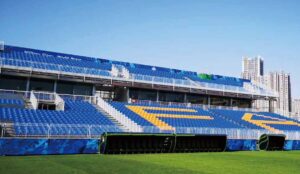 With the last bolt tightened and all systems go, your facility is nearly ready for prime time. But before fans fill the stands, final inspections must take place. This includes structural integrity tests, accessibility audits, and—of course—compliance with the IBC code.
Only after passing all inspections will a Certificate of Occupancy be issued. This critical document allows the facility to legally host the public.
The final step? Opening day. Whether it’s a marching band cutting the ribbon or a pro team hitting the field for the first time, there’s no better feeling than seeing your vision come to life. The stadium seating is filled, the lights are on, and every ounce of planning finally pays off.
So, what does success look like in a project like this? A smooth installation, an on-time project timeline, happy stakeholders, and yes—compliance with every line of the IBC code. But perhaps more than anything, it’s seeing people sit, cheer, and celebrate in the very seats you helped bring into existence.
Final Thoughts: Why It All Matters
 From the first sketch on paper to the roar of the crowd on opening day,, the journey of a stadium seating installation is a masterclass in coordination, compliance, and craftsmanship. It’s a long road, and not without its potholes, but for those who travel it wisely—with trusted contractors, a realistic project timeline, and close attention to the IBC code—the rewards are enormous.
In a way, each seat tells a story. Not just of metal and fabric, but of decisions, approvals, teamwork, and sweat equity. So, the next time you settle into a stadium seat, take a moment to appreciate the journey it took to get there.
Because that seat? It didn’t just appear—it was installed with intention. Contact experts like Preferred Seating for all of your stadium seating needs.
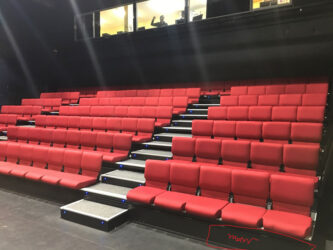
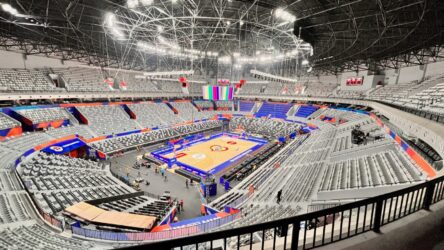
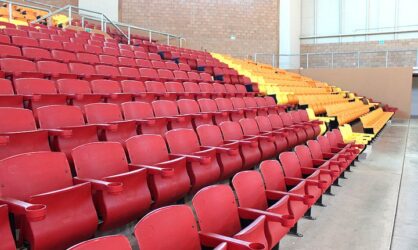

Veo 3 AI
3 Jul 2025I didn’t realize the same company could handle such a variety of venue types—from churches to stadiums. Curious how timelines differ between, say, a lecture hall and a full stadium installation.
Veo 3 API
3 Jul 2025It’s great to see how much emphasis is placed on the installation process. A well-executed seating system can really transform a venue, ensuring both functionality and a positive experience for attendees.
Veo 3 AI
4 Jul 2025I appreciate that you not only focus on new seating but also offer restoration services. It’s a smart way to extend the lifespan of existing infrastructure, especially for older stadiums or theaters.
Veo 3 AI
5 Jul 2025I really like how the post highlights the variety of seating options for different venues. Customizing seating not only helps with functionality but also enhances the overall look and feel of a space, especially in high-use areas like stadiums and theaters.
Veo 3 AI
6 Jul 2025The way you’ve broken down seating options by venue type is super helpful for facility planners. I’m curious—how do installation timelines typically vary between fixed and portable seating systems?
Veo 3 AI
7 Jul 2025I’ve been researching seating options for a multipurpose venue, and the inclusion of restoration services here caught my eye. Repurposing quality used seats could be a sustainable and budget-friendly alternative.
Veo 3 AI
8 Jul 2025The breakdown of seating solutions across venues really highlights how specialized this field is. I’d love to learn more about how timelines vary between a new stadium installation and a restoration.
Veo 3 AI
9 Jul 2025It’s great to see a company addressing the full spectrum of seating needs for venues as diverse as churches, stadiums, and lecture halls. The inclusion of telescopic seating and restoration services shows a clear understanding of both flexibility and long-term value in venue planning. Curious to know how timelines typically vary across venue types—do educational institutions usually move faster than performing arts centers, for instance?
Veo 3 AI
10 Jul 2025Really appreciate how thisBlog Comment Creation Process post outlines not just the types of seating available, but also emphasizes the importance of installation timelines and facility design. It’s a good reminder that successful seating projects require careful coordination between contractors and architects, not just picking the right seats.
Veo 3 AI
11 Jul 2025It’s great to see how thoroughly Preferred Seating covers both new stadium installations and restoration projects. I especially appreciate the attention to architectural integration—something that often gets overlooked in large-scale seating installs but makes a huge difference in overall venue experience.
Veo 3 AI
12 Jul 2025Interesting to see how Preferred Seating handles not just installations but also restoration projects. It’s a smart move for venues looking to maintain heritage elements while upgrading functionality.