



 Ever entered a sanctuary and been instantly struck by how warm and inviting it felt? That atmosphere doesn’t happen by accident. Much of it comes down to how the space is arranged—particularly the church seating layout. Whether you’re working with a historic sanctuary or a newly built worship space, getting the layout right is crucial to creating an environment where everyone feels they belong.
Let’s explore the key elements of designing an inviting and inclusive church environment, all while incorporating smart layout strategies that honor both tradition and the future.
Understanding Capacity and Layout Constraints
One of the first—and most essential—steps in designing your church seating layout is understanding your seating capacity. Every church, no matter its size, must strike a balance between comfort, functionality, and flexibility.
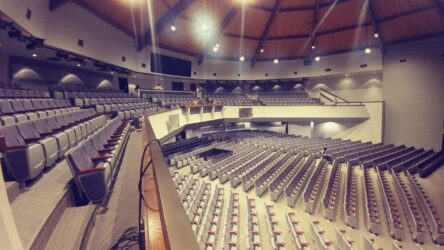
For example, a larger sanctuary may allow for generous spacing between rows, wide aisles, and creative configurations like semi-circles or table seating. Smaller churches, on the other hand, may need to prioritize capacity by minimizing aisle width or exploring more efficient chair arrangements.
You’ll want to provide approximately seven square feet per person as a general rule. And to keep things comfortable, aim for 42 inches between rows. Want to squeeze in a few extra sanctuary seats? You could reduce that spacing to 36 inches—just make sure it doesn’t compromise accessibility.
Key considerations:
- What’s more important: comfort or capacity?
- Is your congregation growing—and how quickly?
- Will your current layout work for future events or expansions?
Remember, seating layout isn’t static. What works now may not serve you next year, so building in flexibility from the beginning is a wise move.
Orientation and Location: More Than Just Facing Forward
 Traditionally, church seating has followed a predictable pattern: straight rows facing an altar or stage at the front. But today’s congregations are increasingly exploring new configurations to make worship more engaging and inclusive.
Consider moving the pulpit to the sanctuary’s center and organizing the chairs around it for a more immersive setting. This setup ensures that everyone is close to the action, enhancing the sense of connection. Or consider table seating for small group discussions, fostering both community and comfort.
Popular layout formats:
- Tables: Great for workshops or fellowship-heavy services.
- Round: Circular layouts promote connection and a shared focus, especially effective in worship spaces with a center stage.
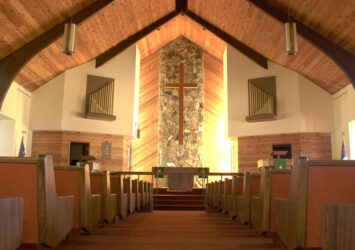
- Straight Rows: Still a strong choice for large gatherings and traditional services.
Whatever layout you choose, ensure that every sanctuary seat offers a clear view and strong acoustics. After all, visibility and sound clarity are foundational to worship engagement.
Comfort and Accessibility: The Heart of Inclusion
 It’s simple—if people are uncomfortable, they’re less likely to return.
An inclusive worship space puts accessibility and comfort at the forefront. This means ensuring that aisles are wide enough for walkers and wheelchairs, that worship seating doesn’t feel cramped, and that all congregants—regardless of age or mobility—can easily find and settle into their sanctuary seats.
Mixing seating types, such as combining pews with individual chairs or offering table options, allows for greater adaptability. Members can choose where they feel most comfortable, and the space can be reconfigured to suit different service styles or community events.
Design and Aesthetics: Function Meets Beauty
 Your worship space should reflect the character of your congregation. That includes your color palette, materials, and the overall design of your seating.
For instance, a set of stackable chairs with clean lines may suit a modern sanctuary, while ornate wooden pews may be more fitting for a traditional church. No matter the aesthetic, choose seating that complements your sanctuary’s existing design while allowing for functional use.
What to look for:
- Neutral colors that blend with the sanctuary’s theme
- Stackable and interlocking chairs for layout flexibility
- Durable materials that are easy to maintain
Design isn’t just about looks—it’s about creating a worship space that uplifts the spirit and supports every person who enters.
Building Flexibility into Your Layout
Churches are dynamic. Memberships rise and fall, ministries expand, and special events come and go. Your seating layout should be just as flexible as your programming.
By incorporating stackable portable chairs, movable tables, and modular pew systems, you make it easy to adapt your sanctuary for:
- Weddings
- Sermons
- Choir performances
- Community meals
- Youth group activities
Creating different seating charts for varying attendance sizes—small, medium, and large—ensures you’re prepared for anything. The more flexible your layout, the more functional your church seating becomes.
Ongoing Maintenance: Protecting Your Investment
You’ve invested time and money into your seating. Now protect it.
Routine maintenance extends the life of your sanctuary seats and keeps your worship space looking and feeling its best. This includes:
- Regular inspections for wear and tear
- Tightening hardware such as T-nuts and frame bolts
- Cleaning fabric with approved cleaners
Even the best-quality chairs need attention. And keeping a few extra on hand ensures you’re never caught short if one breaks or needs repair.
Final Thoughts: Designing for Worship and Community
 Your church seating layout does more than arrange chairs—it shapes how people experience your services. From first-time visitors to longtime members, everyone benefits from a space that feels thoughtful, inclusive, and welcoming.
By focusing on capacity, orientation, comfort, design, and flexibility, you can transform your sanctuary into a true reflection of your community’s values and spirit.
So, what’s your next step? Maybe it’s rethinking your current setup. Maybe it’s exploring new seating options that better serve your members. Whatever it is, your church seating choices matter—and they have the power to change lives. Contact seating advisors such as Preferred Seating for your free consultation.

AI Video Generator
31 Jul 2025It’s great to see so many seating options for various types of venues. I’ve always found that having the right seating makes such a difference in both comfort and overall experience for guests. Customizable solutions must be a game-changer!