


 As another school year kicks off with the roar of Friday night football and the thump of basketballs echoing through gymnasiums, the spotlight naturally falls on student-athletes. Coaches and staff are busy ensuring players are in top shape and facilities are game-day ready. But there’s another critical responsibility that often fades into the background—bleacher safety.
Yes, those aluminum stands lining stadiums and gyms. They’re more than just seating; they’re integral to the fan experience and community gatherings. Yet all too often, bleachers are overlooked until something goes wrong. The impact can be significant when things don’t go as planned.
In this article, we’ll unpack the dangers, responsibilities, and most importantly, the strategies schools can use to foster a strong culture of bleacher safety. Because at the end of the day, keeping fans safe is just as vital as protecting the athletes on the field.
Why Bleachers Safety Deserves a Seat at the Table
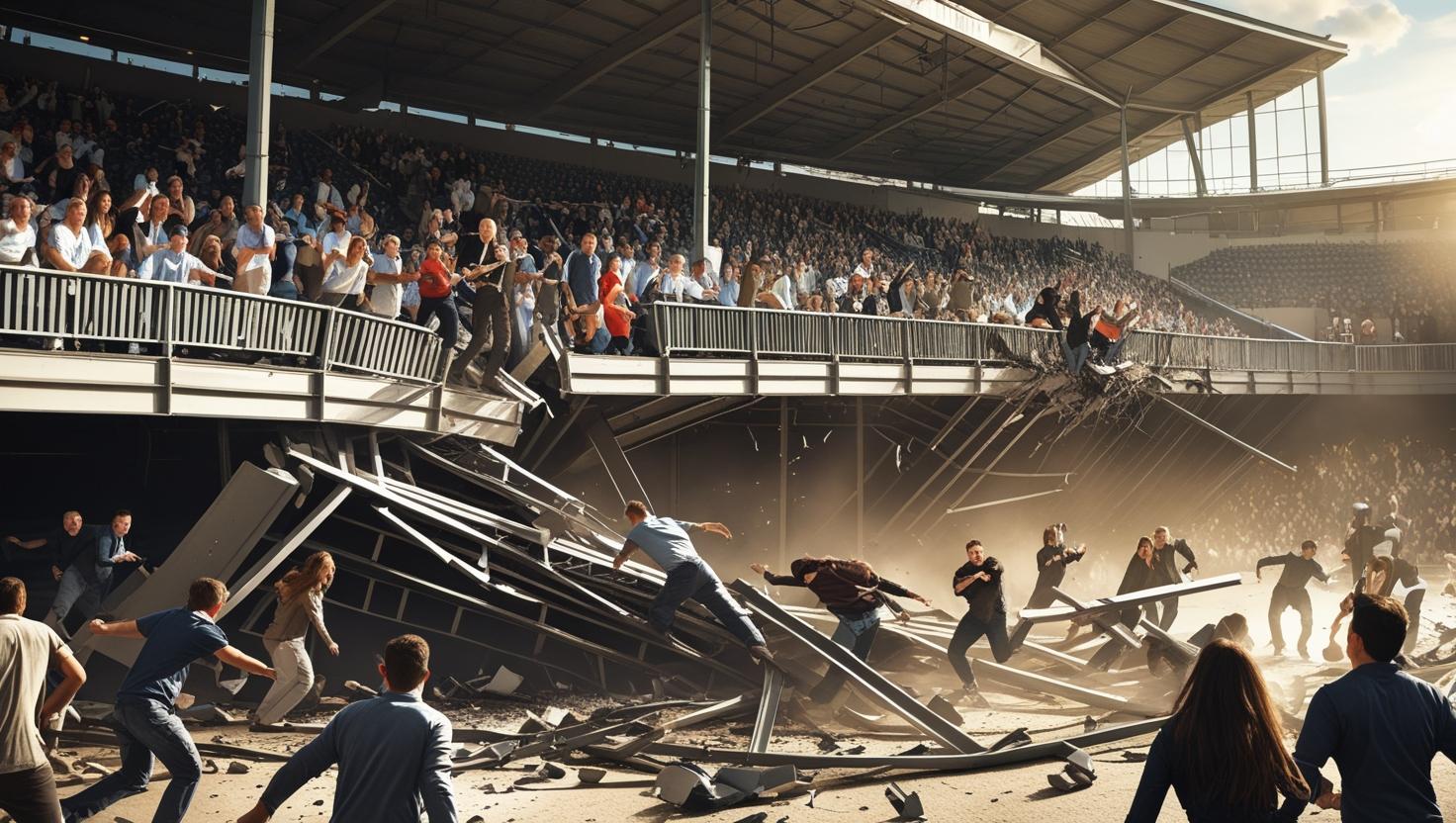
Imagine this: A community turns out to cheer on their hometown team, families are laughing, and students are buzzing with excitement. Suddenly, a child slips through an opening in the bleachers or a section collapses due to corroded support beams. These aren’t hypothetical scenarios. They’ve happened—recently and tragically.
 According to the The U.S. Consumer Product Safety Commission reports that bleacher-related incidents result in approximately 10,000 injuries annually, a significant number involving kids. The causes? Inadequate inspections, outdated infrastructure, and a lack of basic safety features. These incidents aren’t just painful for the victims; they often result in costly lawsuits and a tarnished reputation for schools.
The real issue isn’t if schools need to prioritize bleachers safety—it’s figuring out the best way to do it.
Understanding the Most Common Bleacher Hazards
Before we can fix a problem, we have to understand it. In the world of bleachers, two main culprits consistently rise to the top: falls and poor maintenance.
Bleacher Falls: A Hidden Risk
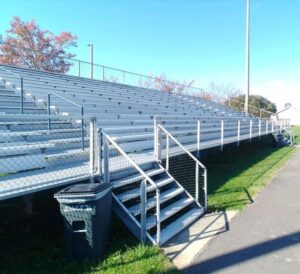
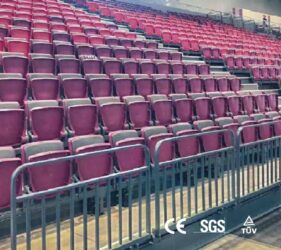
 One of the leading causes of injury on school bleachers is falling. It sounds simple, but the reasons behind it can be complex. Some bleachers, especially older models, have large gaps in guardrails or between seating platforms. Children, and even distracted adults, can slip through these openings. Others may fall due to damaged railings or unsecured footboards.
Poor Maintenance: The Slow Creep of Danger
Bleachers gradually deteriorate due to exposure to the elements, frequent use, and lack of upkeep. Metal corrodes, joints loosen, and wooden components splinter. Folding bleachers, while space-saving, are particularly vulnerable to mechanical failure. Even tip n roll bleachers need maintenance. When routine inspections are skipped or performed inadequately, the likelihood of collapse or injury increases exponentially.
Such dangers make it clear that preventative maintenance and checks are crucial. But reacting to damage isn’t enough—prevention is key.
Building a Safety Culture: What Schools Need to Know
Creating a culture of bleachers safety starts with awareness but is sustained through action. Schools must embed safety into their daily operations, policies, and training protocols.
Step 1: Know the Standards
The Consumer Product Safety Commission (CPSC) offers detailed guidelines on bleacher design and safety. A few highlights include:
- Guardrails are required on backs and sides where the platform is 30 inches or more above the ground.
- Openings in guardrails and seating should prevent a 4-inch sphere (roughly the size of a baby’s head) from passing through.
- Vertical picket railings should be used instead of horizontal bars to discourage climbing.
These guidelines exist for a reason—to prevent accidents before they happen. Schools should conduct assessments to ensure compliance and involve professionals if needed.
Step 2: Make Inspections Routine
 Inspections shouldn’t be a once-a-year event. They should be integrated into the operational rhythm of the school year.
- Every 2 Years: A licensed engineer or qualified provider should certify that the bleachers are “fit for use.”
- Quarterly: Trained staff should check for rust, corrosion, structural weakness, or mechanical malfunctions.
- Before Every Event: Quick visual checks can catch obvious issues before they lead to disaster.
Training is crucial. Staff assigned to inspections need to understand what to look for. Schools should avoid delegating this responsibility to untrained individuals or students.
Step 3: Respond Fast, Document Thoroughly
If a problem is found, immediate action is non-negotiable. Unsafe bleachers should be shut down and secured, with all repairs handled by certified experts rather than volunteers.
Just as importantly, keep meticulous records. Document inspections, maintenance, and any repairs with signatures and dates. In the event of a lawsuit, this documentation may serve as crucial evidence.
Emergency Planning: When the Worst Happens
While prevention is the goal, schools must prepare for worst-case scenarios. Emergency Response Plans should include protocols for bleacher failures, including:
- Structural collapse response procedures
- Clear evacuation routes
- Coordination with local emergency services
- On-site tools or heavy equipment access
The National Center for Spectator Sports Safety and Security (NCS4) recommends accounting for bleachers in all school event safety plans. This includes training supervisors, coaches, and custodians to recognize and report potential risks.
Additional Tips to Secure School Bleachers
Creating a safe environment doesn’t end with inspections and repairs. It’s also about behavior, training, and common sense. Here are some practical tips:
- Trained staff members are the only ones who should assemble or use movable bleachers.
- Allow adequate time for proper setup before events.
- Never allow children to climb or play on guardrails.
- Announce bleacher safety reminders before events.
- Incorporate non-slip materials and handrails into designs.
- Store bleachers properly when not in use.
In short, make bleacher safety everyone’s responsibility.
Why It Matters: Beyond the Bench
 It’s easy to dismiss school bleachers as just basic seating without much importance. Schools, especially universities, may also have a VIP seating section. But the seats represent something more. They are gathering spots for communities, stages for proud moments, and symbols of school spirit. A single injury can mar that experience. Worse, it can lead to lawsuits, financial strain, and shaken trust in school leadership.
By prioritizing bleacher safety, schools send a powerful message: We care about every student, every parent, and every guest who walks through our gates.
Final Thoughts: Safety Is a Shared Responsibility
Bleacher safety isn’t just a checklist item. It’s a culture., Such a foundation is formed through hard work, education, teamwork, and perseverance. Teachers, coaches, and maintenance staff must work together to make it a reality.
As the school year unfolds, let’s make sure our focus isn’t just on what happens between the lines on the field or court. Let’s look around the stands—at the families cheering, the students bonding, and the quiet strength of the structures holding them up. Those bleachers deserve attention, care, and respect. After all, they carry more than just people—they carry memories.


AI Music Generator
1 Aug 2025This post highlights an often-overlooked point: the importance of regular seating inspections in schools. In my experience, proactive maintenance not only improves safety but also helps avoid expensive repairs later on.