


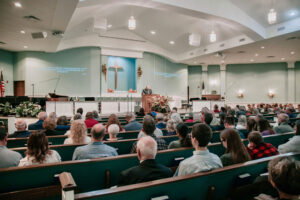
 There’s a stillness that often fills an old sanctuary long after the last hymn has faded. You can hear the echoes of community—the soft rustle of Bible pages, the warm greetings, the familiar cadence of a sermon. But in recent years, more and more churches across America are finding themselves not only quiet but uncertain. Financial strain, dwindling attendance, and aging infrastructure have left many faith communities at a crossroads. What happens when the physical space that once brought spiritual life to so many becomes too much to bear?
Welcome to the journey of transitioning sacred places—a reality that thousands of congregations now face. It’s not just about buildings. It’s about identity, stewardship, and the evolving ways people gather, pray, and serve. And it’s a challenge that calls for imagination, courage, and above all, faith.
Recognizing the Shift in Sacred Spaces
 Before the pandemic struck, churches already sensed change in the air. Membership was declining, budgets tightening, and the costs of maintaining historic buildings were becoming insurmountable. Their story isn’t unique. Across the United States, houses of worship in various traditions had been experiencing slow attrition in attendance long before COVID-19 ever made headlines.
A 2021 report by Lifeway, which examined data from 34 major Protestant denominations, revealed that around 4,500 churches shut down across the U.S. in 2019, while roughly 3,000 new ones were launched during the same period. The Catholic Church has seen widespread parish consolidations, and both Reform and Conservative Jewish synagogues have faced closures. When the pandemic arrived in early 2020, most worship services were halted or moved online. The lack of physical gatherings compounded the disconnect already being felt by many congregants.
Even as in-person worship gradually resumed, the return wasn’t as robust as many hoped. Virtual services had become the norm, and while digital outreach brought new convenience, it also changed the dynamics of community engagement. Attendance and giving showed partial recovery, but in most congregations, they still hovered below pre-pandemic levels.
For some churches, this disruption became a revelation: perhaps the traditional model of owning and maintaining large sanctuaries was no longer sustainable. Many began asking, “What is truly essential for our faith community?” In this moment of reckoning, the conversation turned toward reimagining both purpose and place.
Church Challenges and Realities of Letting Go
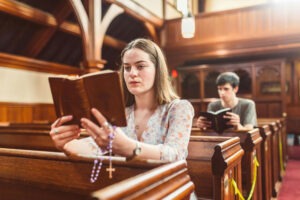 Saying goodbye to a church building can feel like parting with a piece of one’s identity or spiritual history. After all, these sanctuaries are often where generations have worshiped, married, mourned, and celebrated. They hold emotional weight and collective memory. But the practical burdens can’t be ignored.
Historic properties often come with extensive maintenance needs: roof repairs, aging heating systems, accessibility upgrades, and more. Many buildings were constructed in a different era, without foresight for today’s energy standards, climate concerns, or community needs.
In coastal regions, flooding and storm damage are real threats. In the West, wildfires and seismic vulnerabilities pose serious risks. Rising temperatures across the country demand air conditioning systems that old facilities were never designed to support. All of this adds up—financially, emotionally, and spiritually.
At some point, congregations are faced with difficult questions: Can we continue to afford this property? Is our current space aligned with our mission? Would transitioning to a new worship environment better serve our people and our purpose?
These aren’t just logistical questions; they’re deeply spiritual ones. Yet as hard as it is, the process of evaluating and, if needed, transitioning from an old building can breathe new life into a congregation’s mission.
Reimagining a Church’s Sacred Purpose Beyond the Walls
So what does it look like to reimagine sacred space?
 For some congregations it starts with visioning. After attending a webinar on churches in transition, their leadership began asking new questions: What if our sanctuary could be more than just a Sunday morning venue? What if we could share space with other organizations, or even convert part of our building into housing, classrooms, or community centers?
Many congregations are exploring similar paths. Some have partnered with nonprofits, leasing unused space for food pantries, counseling offices, or after-school programs. Others have sold their buildings but continued meeting in rented facilities, freeing up funds for mission and outreach. A growing number are embracing hybrid models that combine physical worship with robust online ministries.
The key to all of this is reframing the church not as a static building but as a dynamic body. A place of worship can exist wherever people gather in God’s name—be it a chapel, a school auditorium, or even a coffee shop. What matters most is that the community remains intact and focused on its core values.
The building, as sacred as it may be, is a tool—not the mission itself.
Navigating the Emotional Landscape of Church Goers
Still, the emotional toll can’t be ignored. For many, the idea of transitioning sacred spaces evokes grief, confusion, or even shame. Volunteers and clergy who’ve given their lives to the church might feel like they’ve failed. Longtime members may fear losing their spiritual home. These feelings are valid—and must be named and honored.
 Acknowledging this grief is essential. Leaders should create safe spaces for dialogue, allowing members to share memories, voice concerns, and process the transition together. Hosting a final celebration service, creating a photo archive, or establishing a historical exhibit can help honor the past while looking forward.
It’s also helpful to involve the entire community—not just board members—in the planning process. Ask big, bold questions: How does our church serve our neighborhood? What ministries are thriving? What are the unmet needs around us? Who could benefit from shared space? Often, fresh perspectives from younger members, community partners, or neighboring congregations can spark new possibilities.
Through it all, remain grounded in your spiritual identity. Whether your worship happens in a grand cathedral or a rented room, the heart of the church remains the same.
Sacred Spaces, New Stories
Transforming a sanctuary doesn’t signify an ending—it marks the start of a new chapter. When done thoughtfully, it can open the door to greater vitality, deeper outreach, and renewed worship life.
 One congregation in the Midwest turned part of their building into a co-working space for nonprofits. Another in the South partnered with developers to build affordable senior housing on church-owned land. A historic sanctuary in the Northeast now hosts concerts, civic gatherings, and Sunday services in equal measure.
These aren’t just practical solutions—they’re acts of faith. They embody the idea that the congregation’s mission goes beyond physical spaces—that worship isn’t confined to walls or pews, that worship can evolve and that sacredness lives in action just as much as architecture.
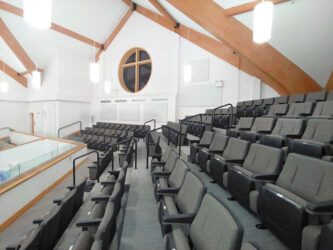
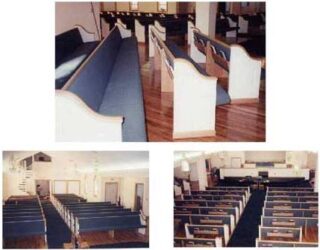
And let’s not forget about church seating—yes, seating! Reimagining space often involves reimagining how people physically engage in worship. Multipurpose church design, portable chairs, and multipurpose seating layouts are replacing traditional pews. These small changes can have a huge impact, allowing sanctuaries to be used for everything ranging from shared meals and youth activities to prayer gatherings. Seating becomes part of the ministry—adapting to the needs of a changing flock.
The Church, Honoring the Past, Embracing the Future
If your church is wrestling with the future of your building, you’re not alone—and you’re not without hope. This moment of transition can be a sacred invitation to reflect, reimagine, and renew. Your sanctuary may not look the same in five years. Your worship may not follow the same patterns. Your seating may be more flexible than formal. But if your heart is rooted in community, faith, and purpose, your mission will endure.
So don’t fear the change. Welcome it wholeheartedly, with clarity and a spirit grounded in faith. In every ending, there’s a beginning. And sometimes, it’s in the act of letting go that we rediscover what it means to truly be the church.

AI Music Generator
30 Jul 2025I appreciate how this post emphasizes the importance of tailoring seating to different venue types. The mention of architectural design integration is a helpful reminder that aesthetics and functionality should go hand in hand.