



Weatherproof Stadium Seating: What Materials Hold Up Best Outdoors?
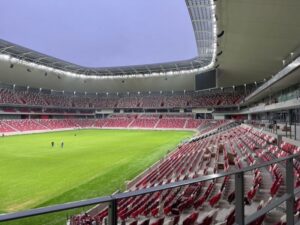 If you’ve ever sat through a rainy football game or a sun-drenched tennis match, you know how critical it is for stadium seating to hold up—both for comfort and long-term value. But let’s flip the script: imagine you’re not the fan in the stands, but the person choosing the seats that’ll endure season after season of Mother Nature’s extremes. Rain, UV rays, freezing winters, salty coastal air—these aren’t just weather forecasts. They’re battle conditions for your stadium’s infrastructure.
In this guide, we’re diving deep into the world of weatherproof stadium seating. We’ll unpack what “weatherproof” really means, explore the most resilient materials available today. Smart material choices lead to long-term cost savings. How? From UV protection and rust resistance to maintenance and aesthetic longevity, this article gives you a seat at the table—pun intended—when it comes to making the right choice for your arena or outdoor venue.
Let’s get started.
The Anatomy of a Weatherproof Stadium Seat
Let’s get one thing straight—when we say “weatherproof,” we’re not talking about a one-size-fits-all term. Weatherproof stadium seating must battle a gauntlet of environmental enemies. That includes sun, snow, rain, humidity, and even high winds in some cases. So what makes a chair, a seat, or an entire arena layout resilient?
Here are the key traits that define weatherproof seating:
- UV Protection: Prolonged sun exposure can fade colors and degrade plastic. UV protection is a must.
- Rust Resistance: Water is inevitable in outdoor stadiums. Rust-resistant coatings or anti-corrosive materials are non-negotiable.
- Durability Under Pressure: Think of heavy foot traffic, rowdy fans, and temperature swings from -20°F to 110°F.
- Low Maintenance: Nobody wants to repaint or replace chairs every season.
Now that we know what makes a stadium seat truly weatherproof, let’s explore the materials that deliver these attributes best.
UV-Treated Plastics: Sun-Blocking Power with Style
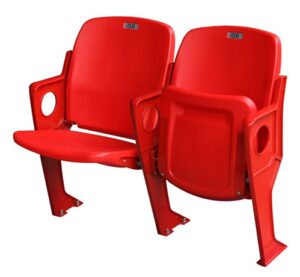 When people hear “plastic,” they often think cheap and flimsy. Not so fast. UV-treated plastics are engineered for endurance and aesthetics. In fact, they’re a go-to material for stadium and arena seating, especially in outdoor settings where sun exposure is relentless.
Why UV-Treated Plastics Work
UV rays break down untreated plastic, making it brittle and discolored. But UV inhibitors—built into UV-treated plastics—act like sunscreen. These materials retain their strength, shape, and vibrant color even after years under direct sunlight.
- Pros:
- Lightweight for easier installation
- Color variety and fade resistance
- Lower cost than metal
- Resistant to cracking and chipping
- Cons:
- Can warp under extreme heat if not engineered correctly
- May scratch more easily than metal
These stadium seats are often made of plastics that balance cost-effectiveness with durability. Many seating suppliers, including Preferred Seating, rely on UV-treated polymers to extend the life of their outdoor chair lines.
And here’s a fun fact: the best UV-resistant plastic seats have the same life expectancy as some metals—but they weigh less, look sleeker, and resist graffiti.
Powder-Coated Metals: The Unsung Hero of Structural Integrity
Want strength and style? Powder-coated metals offer both. From structural frames to seat supports, this material is a cornerstone in modern stadium design. When it comes to outdoor seating, powder coating is what separates short-term fixes from long-term investments.
What’s So Special About Powder Coating?
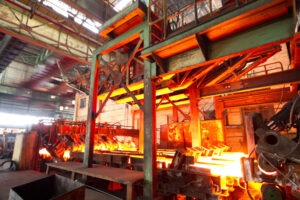 In contrast to paint, powder coating is electrostatically applied and heat-cured. This results in a tough, uniform finish that bonds with the metal. It offers protection from scratches and chips as well as UV rays. And most importantly: against humidity.
- Pros:
- Unbeatable rust resistance when applied properly
- Available in various colors and materials.
- Holds up under mechanical stress (think rowdy fans jumping up and down)
- Low-maintenance; only occasional cleaning required
- Cons:
- Slightly higher initial cost
- Requires careful surface prep to be effective
Most powder-coated metals used in stadium seating are steel or aluminum. Aluminum, in particular, is favored for its inherent rust resistance and light weight. That’s why Preferred Seating often pairs powder-coated aluminum frames with UV-treated plastic seats—it’s the perfect outdoor combination.
Anti-Rust Finishes: Your First Line of Defense
 Let’s talk about rust. You can’t ignore it—especially in coastal arenas or stadiums in wet climates. Rust isn’t just an eyesore; it eats away at the structural integrity of your seating.
That’s where anti-rust finishes come into play. They’re often added as an extra layer on steel or iron components to ensure your investment lasts well beyond the warranty.
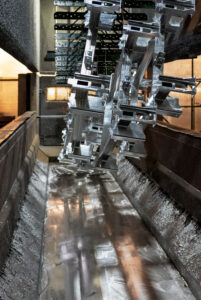
Zinc galvanization coats steel with a sacrificial zinc layer to resist corrosion. In hot-dip galvanizing, cleaned and fluxed parts are immersed in molten zinc around 450 °C, creating metallurgical bonds. Zinc reacts with iron forming intermetallic alloy layers topped by pure zinc. Exposed to air, the coating develops protective zinc oxide then zinc carbonate, sealing pores and slowing rust for decades.
Types of Anti-Rust Treatments:
- To prevent corrosion, a zinc coating is commonly applied to steel, making it a classic method.
- Epoxy Coating: A resin-based coating that seals metal from air and moisture.
- Hot-Dip Galvanizing: Submerging steel in molten zinc for complete coverage.
- Pros:
- Excellent for high-humidity or salty-air environments
- Extends the life of even budget-grade metals
- Minimal maintenance once applied
- Cons:
- Adds weight
- May flake over time if not maintained properly
When choosing outdoor seating for an arena, stadium, or amphitheater, insist on anti-rust finishes, especially for any understructure or bolting system. Even the best materials need a strong foundation—don’t skimp here.
Maintenance and Longevity: The True Cost of Materials
Okay, here’s the million-dollar question: which material gives you the best bang for your buck over time?
Sure, UV-treated plastics might be cheaper upfront, but how do they compare over 15 years? Powder-coated metals last decades, but what if your maintenance crew is already stretched thin?
Let’s break down the long-term cost picture.
| Material | Initial Cost | Avg. Lifespan | Maintenance Needs | Total Cost Over 15 Years |
| UV-Treated Plastics | Low | 10–15 years | Very Low | Low |
| Powder-Coated Metals | Medium | 20–25 years | Low | Medium |
| Galvanized Steel | Medium-High | 25+ years | Medium (recoating) | Medium-High |
| Wood (don’t do it) | Low | 3–5 years | Very High (rot, warp) | Very High |
If your stadium is in a rainy or coastal region, investing in powder-coated or galvanized metal with anti-rust treatments pays off. But in arid or sunny climates, UV-protected plastics may offer superior aesthetics and durability at a lower total cost.
And let’s not forget: downtime is money. Choosing low-maintenance seating means fewer disruptions during events, which keeps fans—and accountants—happy.
Matching Materials with Purpose: One Size Doesn’t Fit All
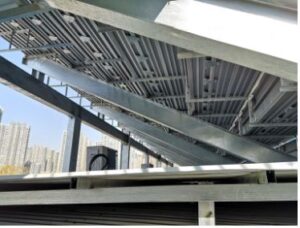 So what’s the takeaway? There is no universally “best” weatherproof material—it depends on where your stadium is, who uses it, and how often. A youth soccer arena in Arizona doesn’t need the same build as a football stadium in Seattle. Each outdoor venue requires a tailored strategy.
Here’s a quick scenario comparison:
- Coastal Outdoor Arena: Go heavy on galvanized and powder-coated aluminum with sealed fasteners.
- Sunny College Stadium: UV-treated plastic is king—bright colors, less fade, minimal maintenance.
- High-Altitude Amphitheater: Cold weather = metal fatigue. Use UV-plastics with flex-resistant backing and anti-corrosive joints.
Don’t guess. Work with a provider like Preferred Seating, who can match your use-case with the right combination of materials. Their inventory spans everything from weatherproof stadium chairs to durable bleachers and specialty arena seats.
Final Thoughts: Invest in What Lasts—And Looks Good Doing It
Choosing outdoor seating for a stadium isn’t just about slapping chairs in rows. It’s a balancing act between aesthetics, endurance, cost, and comfort. The right materials—like UV-treated plastics, powder-coated metals, and rust-resistant finishes—can mean the difference between a five-year headache and a 25-year investment.
So ask yourself: Are you picking seats for now, or for the next generation of fans? Your budget matters, but so does the long-term reputation of your venue. Fans may not notice when seats perform perfectly—but they’ll definitely notice when they crack, rust, or fall apart.
Do your research. Ask questions. And when in doubt, sit down with a professional from Preferred Seating.
After all, every great venue starts with great seats.

AI Video Generator
26 Jun 2025It’s great to see used seating and restoration included as part of the offerings. Not only is that a smart budget-friendly option for many venues, but it’s also a more sustainable approach that more facilities should consider.