Building with Purpose: Why Sustainable Church Design Reflects True Christian Stewardship

Let’s explore how thoughtful planning rooted in stewardship can ensure your church not only serves today’s congregation but generations to come—while honoring God through responsible resource use.
The Spiritual Case for Sustainability

Incorporating energy-efficient church design doesn’t mean compromising beauty or function. It means being intentional. It means recognizing that buildings should serve ministry—not the other way around. Why spend thousands annually on wasted energy when that same money could fund mission work, youth outreach, or benevolence efforts?
Choosing sustainability is choosing to say: “We will care for God’s earth, we will spend wisely, and we will plan for the future.”
Building Orientation and Envelope: The Hidden Power of Positioning

By orienting a building to optimize natural sunlight and minimize harsh exposure (particularly west-facing glass), churches can reduce heating and cooling needs. Pair that with an efficient building envelope—walls, windows, insulation, and roofs that minimize heat transfer—and you’ve already slashed future energy bills.
Installing heat-reflective Low-E glass, bright reflective roofing, and strategically positioned windows are just some of the steps that create a more energy-efficient church design. These choices might seem small, but their impact compounds over time—saving money and honoring our call to stewardship.
Flexible Interiors: Designing for Today and Tomorrow

Movable walls, multi-use rooms, and modular worship seating all contribute to a design that adapts. This is especially relevant for worship spaces, where creative layouts can support a variety of services, events, and community gatherings. Imagine a sanctuary that transforms into a fellowship hall or educational center with just a few adjustments.
Such adaptability reduces the need for costly expansions later. Instead of building more, you’re using what you have more effectively—another reflection of good stewardship.
Smart Product Choices: The Role of Innovative Materials
Sustainability isn’t just about the big-ticket items—it’s also in the details. From recycled flooring to water-efficient bathroom fixtures, the materials you choose influence the longevity and efficiency of your building.
Church architects should be thinking beyond aesthetics and asking: Will this material last? Is it low maintenance? Does it conserve resources?
For example, restroom systems that reduce water usage by up to 60%, or finishes that require fewer chemical treatments, contribute to a healthier, more environmentally responsible space. These features enhance your energy-efficient church design while lowering operating costs.
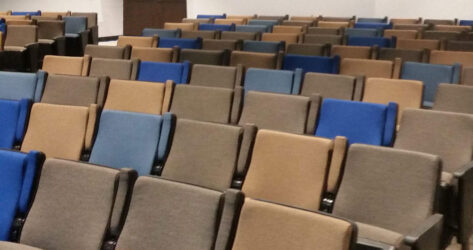
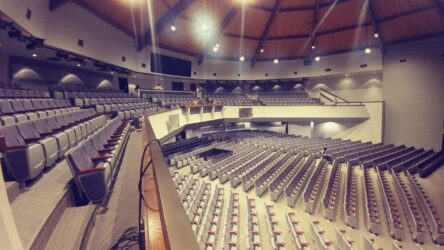
It’s not about cutting corners—it’s about building wisely. Are you considering fixed auditorium worship seating or flexible budget minded multipurpose seating? Does the furniture design encourage spiritual engagement?
The result? Smart choices create a church that’s more affordable to maintain, freeing up resources for ministry.
Why LEED Certification Isn’t Everything

But here’s the good news: you don’t need a certificate on the wall to build a sustainable church building. Many of the most impactful choices—building orientation, efficient HVAC systems, daylighting strategies, low-VOC materials—can be implemented without pursuing formal certification.
The goal isn’t recognition. The goal is stewardship. And when we understand sustainability as a theological calling—not just a construction trend—we begin to see how small choices today lead to lasting impact tomorrow.
Practical Steps for Congregational Leaders
So where do you begin? If you’re in the early stages of planning, gather a team that includes church leaders, architects, and builders who understand both ministry goals and sustainability principles.
Ask questions like:
- How can we lower life-cycle costs?
- Are there ways to design our worship space for multipurpose ministries?
- What materials offer durability and efficiency?
- Can we maximize daylight while minimizing heat gain?
Be sure to align design choices with your theological convictions. A sustainable building isn’t just a physical asset—it’s a spiritual testimony.
Closing Thoughts: A Legacy Worth Building

This isn’t just about being green. It’s about being faithful.
As Christians, we are called to honor God in every detail—including the bricks and beams of our worship space. So let’s plan wisely. Let’s build responsibly. Let’s steward God’s resources in ways that serve His Kingdom today and far into the future.